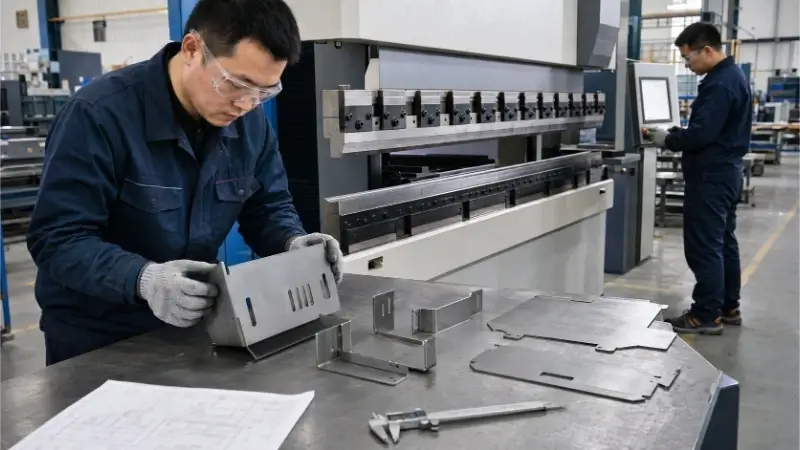
La domanda globale di formatura di precisione continua a crescere. Molte industrie hanno bisogno di prodotti più leggeri, più resistenti e più efficienti. Le presse meccaniche e idrauliche hanno costituito le prime fondamenta della formatura dei metalli. Tuttavia, oggi i loro limiti sono più precisi. Queste presse utilizzano un movimento fisso, consumano più energia e richiedono una manutenzione complessa. Questi limiti non si adattano bene alle moderne fabbriche digitali.
La servopressa offre un approccio diverso. Si tratta di un moderno sistema di formatura guidato da un software e da un controllo elettrico. La macchina utilizza un servomotore al posto del volano o della pressione dell'olio. Questo design consente il controllo completo del movimento durante ogni corsa. Gli ingegneri possono programmare velocità, posizione e forza con grande precisione.
Con queste caratteristiche, la pressa diventa più di una macchina meccanica. Funziona come uno strumento di formatura basato sui dati. Supporta risultati ripetibili e una produzione flessibile. Questo cambiamento cambia il modo in cui i produttori affrontano la formatura di precisione nelle fabbriche moderne.

Che cos'è una servopressa?
Una servopressa è una macchina di formatura che utilizza un controllo digitale e un servomotore. Non si basa su un volano meccanico o su un sistema idraulico. Questo progetto sostituisce il movimento fisso con una corsa programmabile. Gli ingegneri possono controllare posizione, forza e velocità in tempo reale.
La pressa può muoversi rapidamente verso il pezzo. Può rallentare appena prima del contatto. Può quindi applicare una pressione costante durante il processo di formatura. Il sistema può anche fare una breve pausa per ridurre le sollecitazioni interne. Il software controlla ogni movimento. Questo controllo migliora la qualità dei pezzi e protegge gli utensili.
Le servopresse sono disponibili in diverse gamme di dimensioni. I modelli di piccolo tonnellaggio, da 1 a 5 tonnellate, sono comunemente utilizzati nell'assemblaggio di precisione e nell'industria elettronica. Queste macchine funzionano bene anche per le piccole parti metalliche. I modelli più grandi supportano i pannelli automobilistici e lo stampaggio pesante. In ogni caso, l'idea di base rimane la stessa. La pressa offre un controllo preciso, una bassa rumorosità e un funzionamento pulito, eliminando la necessità di olio idraulico.
Componenti chiave di una servopressa
Ogni servopressa integra la forza meccanica con l'intelligenza digitale attraverso questi componenti principali:
| Componente | Funzione |
|---|---|
| Servomotore e azionamento | Converte l'energia elettrica in un movimento rotatorio programmabile. |
| Sistema di trasmissione (vite a ricircolo di sfere / leva a gomito / manovella) | Trasforma la rotazione in un movimento di pressione lineare. |
| Cella di carico / Sensore di forza | Misura continuamente la forza di pressione per il controllo del feedback. |
| Codificatore | Traccia la posizione e la velocità con una precisione di livello micron. |
| Controllore (PLC o CNC) | Gestisce i profili di movimento, sincronizza il feedback e garantisce la ripetibilità. |
Questi elementi formano un sistema di feedback ad anello chiuso che regola dinamicamente il movimento. Ogni corsa viene verificata e corretta in pochi millisecondi, garantendo risultati uniformi su migliaia di pezzi.
Come funziona una servopressa?
Una servopressa funziona trasformando la rotazione del motore in un movimento rettilineo. La macchina utilizza un servomotore con una vite a sfera o un sistema a manovella. Questa configurazione garantisce il movimento della RAM con un'elevata precisione. Le presse tradizionali funzionano con cicli fissi. Una servo pressa segue percorsi di movimento che gli ingegneri programmano in anticipo.
La pressa può utilizzare più fasi di movimento all'interno di un singolo ciclo. Può muoversi velocemente durante l'avvicinamento. Può rallentare durante la formazione. Può mantenere una posizione per un breve periodo. Può poi tornare indietro rapidamente. Quando si formano acciai ad alta resistenza, un movimento più lento vicino al fondo riduce il ritorno elastico e protegge lo stampo da eventuali danni. Quando si formano involucri di alluminio o di acciaio inossidabile, una sosta breve aiuta a distribuire uniformemente le sollecitazioni e migliora la qualità della superficie.
I sensori rilevano la forza e la posizione durante ogni corsa. Il controller legge questi dati in tempo reale. Se il sistema rileva un sovraccarico o un disallineamento, regola immediatamente la coppia del motore. Se necessario, la pressa si ferma per evitare difetti del pezzo o danni all'utensile.
Le moderne servopresse memorizzano anche i dati di processo per ogni ciclo. Il sistema registra forza, posizione, velocità e tempo. Questi dati supportano i controlli di processo, l'SPC e il miglioramento del processo a lungo termine. Inoltre, aiutano gli ingegneri a mantenere una produzione stabile e ripetibile.
Servo Pressa contro presse meccaniche e idrauliche
Ogni tipo di pressa - meccanica, idraulica e servoassistita - ha priorità diverse nel processo di produzione. La comprensione delle loro differenze aiuta gli ingegneri e i responsabili della produzione a determinare il sistema più adatto alle loro esigenze di formatura o assemblaggio.
Controllo della velocità e del movimento
Le presse meccaniche funzionano con un movimento fisso della manovella. Una volta impostato il profilo della corsa, non è possibile cambiarlo senza una modifica meccanica. Questa rigidità limita la flessibilità per materiali o profondità di formatura diversi.
Le presse idrauliche utilizzano la pressione del fluido, offrendo velocità e forza regolabili, ma a scapito di tempi di ciclo più lenti e di un controllo del movimento meno costante. Le fluttuazioni di pressione possono anche portare a variazioni nella qualità dei pezzi.
Una servopressa, invece, utilizza un controllo del movimento definito dal software. Gli ingegneri possono personalizzare ogni parte della corsa - accelerazione, decelerazione, sosta e velocità di ritorno - attraverso profili di movimento programmabili. Ciò consente di eseguire operazioni quali:
- Approccio rapido per ridurre i tempi di inattività
- Formatura lenta per una precisione dimensionale
- Dimorare in basso, al centro, per alleviare lo stress
Studi indipendenti dimostrano che le curve di movimento ottimizzate possono allungare la vita dello stampo di 30-40% e ridurre i difetti di formatura fino a 25%, rispetto alle presse a velocità fissa. Questa flessibilità si traduce direttamente in minori costi di manutenzione degli stampi e in una geometria dei pezzi più uniforme.
Efficienza energetica e prestazioni ambientali
Il comportamento energetico è uno dei motivi più forti per passare alla tecnologia servo.
| Caratteristica | Pressa meccanica | Pressa idraulica | Servo Pressa |
|---|---|---|---|
| Consumo di energia | Costante (volano sempre in funzione) | Continuo (le pompe mantengono la pressione) | On-demand (alimentazione solo durante il movimento) |
| Assorbimento al minimo | Alto | Alto | Vicino allo zero |
| Calore e rumore | Significativo | Alto | Minimo |
| Risparmio energetico vs. idraulico | - | - | 30-50% |
Una pressa servoassistita consuma energia solo quando il cilindro è in movimento. Quando è inattiva, il motore rimane fermo, con una conseguente significativa riduzione del consumo energetico totale. Molti sistemi utilizzano anche azionamenti rigenerativi che recuperano l'energia di frenata e la reimmettono nella rete.
Nei test condotti in fabbrica, le servo-presse hanno ridotto il consumo energetico totale di una media di 40% rispetto ai modelli idraulici che eseguono compiti simili. Inoltre, senza circolazione dell'olio idraulico, non si verificano perdite, non si smaltiscono i rifiuti e i livelli di rumore sono significativamente più bassi, spesso inferiori a 70 dB, rendendo l'ambiente di lavoro più pulito e sicuro.
Per i produttori che perseguono obiettivi di sostenibilità o la certificazione ISO 14001, la servopressa offre progressi misurabili verso la riduzione delle emissioni di carbonio e il miglioramento dell'impatto ambientale.
Precisione e ripetibilità
Le servo-presse offrono una precisione superiore rispetto alle presse meccaniche e idrauliche. Questo vantaggio rimane costante in molte applicazioni.
Le presse meccaniche si basano su arresti fissi e sul movimento di un volano. Le presse idrauliche dipendono da valvole e dalla pressione del fluido. Entrambi i sistemi possono subire una deriva nel tempo, creando variazioni. Le presse servoassistite evitano questi problemi. Utilizzano un controllo ad anello chiuso, con encoder e celle di carico, per monitorare il movimento e la forza.
Questo controllo consente una precisione molto elevata. La precisione della posizione può raggiungere ±0,005 mm. La ripetibilità della forza può rimanere entro ±1%, anche nella produzione di grandi volumi. Ogni ciclo segue lo stesso percorso di forza e posizione. Questa coerenza mantiene la stabilità della qualità dei pezzi e riduce gli scarti.
Nelle operazioni di pressatura, come l'inserimento di cuscinetti o terminali, questo controllo è fondamentale. La pressa rileva la resistenza nel momento in cui si verifica. Se il carico cambia improvvisamente, il sistema reagisce immediatamente e arresta la corsa. Questa risposta previene i danni ai pezzi e protegge gli utensili. Inoltre, rende il processo più affidabile nel tempo.
Manutenzione e costo del ciclo di vita
Le presse meccaniche e idrauliche richiedono una manutenzione e un'assistenza regolari. I tecnici devono occuparsi della lubrificazione, del cambio delle guarnizioni, della manutenzione dell'olio e della regolazione della pressione. Queste attività causano tempi di inattività. Inoltre, aumentano i costi a lungo termine.
Le servo presse necessitano di una manutenzione ridotta. Il sistema ha meno parti che si usurano. Molti utenti riscontrano una riduzione degli interventi di manutenzione fino a 50%. La pressa non utilizza olio idraulico. Questo elimina i controlli dell'olio, le perdite e le operazioni di smaltimento. Il monitoraggio integrato tiene traccia del carico del motore, del numero di cicli e della coppia. Questi dati aiutano i team a pianificare la manutenzione prima che si manifestino i problemi.
Una servo-pressa comporta in genere costi più elevati all'inizio. Il prezzo di acquisto è spesso 15-30% superiore al prezzo di listino. Nel tempo, i risparmi si compensano. Il minor consumo di energia riduce le bollette. Un minor numero di guasti riduce i costi di riparazione. Una produzione stabile riduce gli scarti e le rilavorazioni. Molte fabbriche raggiungono il ritorno dell'investimento in 24-36 mesi, soprattutto nella produzione di precisione o di prodotti misti.
Vantaggi della tecnologia delle servo-presse
I sistemi di servopressa combinano l'affidabilità meccanica con il controllo digitale. Di seguito sono riportati i vantaggi tecnici e commerciali più significativi che definiscono la tecnologia delle servo-presse nella produzione moderna.
Alta precisione e controllo di qualità
Le servopresse raggiungono una precisione di controllo molto elevata grazie al feedback ad anello chiuso. Le celle di carico e gli encoder misurano la forza e la posizione molte volte al secondo. Il sistema utilizza questi dati per regolare la coppia del motore in tempo reale.
Questo feedback rapido garantisce la coerenza di ogni corsa. Ogni pezzo segue lo stesso percorso di forza e posizione. La precisione della posizione raggiunge spesso ±0,005 mm. La ripetibilità della forza rimane entro ±1%, anche in caso di volumi elevati. Questi risultati superano le prestazioni delle presse meccaniche e idrauliche.
Questo livello di controllo è fondamentale in operazioni come l'inserimento di cuscinetti, la pressatura di connettori e la formatura fine. La pressa rileva una resistenza anomala o un disallineamento nel momento stesso in cui si verifica. Il sistema interrompe il processo prima che si verifichino danni. Molti produttori segnalano una riduzione degli scarti di 20-35% dopo il passaggio alle presse servoassistite. Inoltre, hanno riscontrato un miglioramento di oltre 50% nella costanza da ciclo a ciclo nei lavori di assemblaggio critici.
Flessibilità programmabile
Le presse tradizionali sono limitate dai loro vincoli meccanici. Le servopresse sostituiscono questi limiti con il movimento definito dal software. Gli operatori possono programmare profili di corsa diversi per vari materiali, spessori o metodi di giunzione senza dover modificare l'hardware.
I parametri programmabili tipici includono:
- Accelerazione e decelerazione
- Controllo della velocità di formatura e della pressione
- Tempo di sosta per il rilassamento dello stress
- Movimento di ritorno per un recupero più rapido del ciclo
Ad esempio, una linea di produzione per la formatura di alloggiamenti in alluminio può impostare una discesa veloce e una fase di pressatura lenta per evitare la formazione di crepe, quindi memorizzare il profilo di movimento per riutilizzarlo in futuro. Quando si passa all'acciaio inossidabile, gli operatori caricano un'altra curva salvata.
Questa adattabilità digitale riduce significativamente i tempi di allestimento. Alcuni stabilimenti riferiscono di aver ridotto i tempi di cambio formato da 45 minuti a meno di 10 minuti, migliorando la produttività e la capacità di risposta agli ordini personalizzati o a basso volume.
Efficienza energetica e funzionamento pulito
Le presse servoassistite consumano energia solo durante il movimento attivo, a differenza dei sistemi idraulici che fanno circolare continuamente l'olio o delle presse meccaniche che fanno girare i volani. Questo comportamento energetico on-demand consente un evidente risparmio.
| Caratteristica | Pressa idraulica | Servo Pressa |
|---|---|---|
| Uso dell'energia | Costante (pompe sempre attive) | On-demand (il motore funziona solo durante la corsa) |
| Risparmio energetico | - | 30-50% inferiore |
| Livello di rumore | 85-90 dB | 65-70 dB |
| Olio idraulico | Necessario (rischio di perdite) | Nessuno (compatibile con la camera bianca) |
Eliminando i circuiti idraulici, le servo-presse non solo riducono il consumo di energia, ma eliminano anche i rischi di contaminazione da olio e di accumulo di calore. La riduzione del rumore di funzionamento aumenta il comfort e la sicurezza sul posto di lavoro.
Negli stabilimenti automobilistici ed elettronici, questi sistemi ad alta efficienza energetica hanno contribuito a ridurre i costi complessivi dell'elettricità fino a 40% all'anno, allineandosi agli obiettivi di sostenibilità ISO 14001. Il funzionamento pulito e privo di manutenzione consente anche l'installazione in ambienti controllati come le linee di assemblaggio medicali.
Raccolta dati e tracciabilità
Una servopressa registra i dati di processo completi su ogni corsa. Il sistema acquisisce forza, posizione, velocità e tempo di ciclo. Memorizza questi dati automaticamente. Gli ingegneri possono collegarli ai sistemi MES o SPC per ulteriori analisi e valutazioni.
Questa configurazione trasforma la macchina da stampa in un monitor di qualità dal vivo. Gli ingegneri possono individuare i cambiamenti mentre avvengono. Possono confrontare le curve di forza attuali con quelle di riferimento approvate. Possono anche regolare immediatamente le impostazioni per mantenere la stabilità del processo.
Quando è connessa a una rete di fabbrica, la macchina supporta i flussi di lavoro di Industria 4.0. Condivide i dati in tempo reale con i robot, gli strumenti di ispezione e i cruscotti di produzione. Se i valori di forza si spostano, il sistema può inviare avvisi. I team possono reagire tempestivamente, prima che si accumulino scarti.
Nel tempo, questi dati supportano la manutenzione predittiva. Gli ingegneri tengono traccia delle tendenze di coppia e del conteggio dei cicli per garantire prestazioni ottimali. Possono individuare l'usura degli utensili o l'affaticamento dei pezzi prima che si verifichi un guasto. Questo approccio riduce le interruzioni non programmate e mantiene la produzione regolare.
Applicazioni in tutti i settori
Molte industrie di alta precisione la considerano oggi una tecnologia di formatura fondamentale. Il sistema offre movimenti programmabili, operazioni pulite e dati di processo completi per ogni ciclo.
Componenti per autoveicoli e veicoli elettrici
Nella produzione automobilistica e di veicoli elettrici, le servo-presse sono ormai uno standard per le giunzioni di precisione, formando, E Assemblea. Componenti come contenitori per batterie, le carcasse dei motori e le anime laminate richiedono tolleranze strette e un'applicazione costante della forza.
Una pressa servoassistita può mantenere curve di formatura identiche per ogni corsa, riducendo la variazione dimensionale delle parti strutturali. Per l'assemblaggio delle batterie EV, una pressione di contatto precisa garantisce prestazioni elettriche stabili e previene le microfratture nelle connessioni delle celle.
Le case automobilistiche che utilizzano le servo-presse hanno riferito:
- 35% riduce i tassi di scarto nella formatura di acciai ad alta resistenza
- 30% maggiore durata dell'utensile grazie al movimento controllato in prossimità del punto morto inferiore
- Tempi di ciclo più rapidi fino a 25% grazie all'accelerazione programmabile e all'ottimizzazione della sosta
Oltre alle prestazioni, le servopresse contribuiscono alla riduzione del rumore e al risparmio energetico negli impianti di produzione, allineandosi agli obiettivi di sostenibilità e sicurezza dell'industria automobilistica.
Elettronica e assemblaggio di precisione
Nella produzione di elettronica, le servo-presse supportano delicate operazioni di piantaggio e inserimento. Queste operazioni richiedono spesso un controllo minimo della forza. La pressa applica la forza a un livello accettabile e traccia la posizione entro ±0,005 mm. Questa precisione aiuta a prevenire i danni e garantisce risultati di assemblaggio uniformi per connettori, sensori e piccoli componenti.
Quando un connettore viene premuto su un PCB, la servopressa osserva la curva di forza completa. Il sistema controlla la resistenza durante tutta la corsa. Se la resistenza aumenta improvvisamente, segnala un disallineamento o un blocco. La pressa si ferma immediatamente. Questa azione protegge la scheda e il componente.
Questo livello di controllo consente un'ispezione completa in corso d'opera. Il sistema registra automaticamente i dati per ogni unità. Nei settori con tolleranza di difettosità prossima allo zero, come l'elettronica di consumo e le telecomunicazioni, questo approccio riduce la rilavorazione. Molti produttori riferiscono di aver ottenuto riduzioni dei costi superiori a 40%, pur mantenendo un'elevata velocità di produzione.
Dispositivi medici e produzione in camera bianca
Le servopresse svolgono un ruolo cruciale nell'assemblaggio di dispositivi medici e apparecchiature di laboratorio. Le macchine funzionano senza olio idraulico. Questo design impedisce perdite e particelle trasportate dall'aria. Di conseguenza, sono adatte all'uso in camere bianche di Classe 7 e 8 ISO.
La pressa utilizza un movimento fluido e programmabile. Questo controllo protegge i componenti più delicati, come le valvole di plastica, le siringhe e gli alloggiamenti dei filtri. Il sistema applica la forza in modo delicato e uniforme. Ciò riduce il rischio di crepe o deformazioni durante il processo di assemblaggio.
Il controllore digitale registra i dati di forza e posizione per ogni ciclo. Questa registrazione supporta la convalida FDA e la documentazione ISO 13485. Inoltre, semplifica gli audit e le revisioni della qualità.
Molti produttori di apparecchiature medicali riferiscono di una migliore precisione di assemblaggio dopo il passaggio alle servopresse. Inoltre, la produzione è più rapida. In molti casi, il tempo di ciclo si riduce di circa 20% rispetto alle presse pneumatiche.
Linee di formatura e fabbricazione dei metalli
Nella fabbricazione dei metalli, le servopresse supportano la formatura flessibile in molti tipi di lavoro. Funzionano bene per i prototipi e per la produzione di volumi medio-bassi. Gli operatori possono programmare profili di corsa personalizzati nel software. Possono adattare il movimento a materiali come l'acciaio inossidabile, l'alluminio o il rame. Non è necessario modificare l'hardware.
Questa flessibilità aiuta le officine a rispondere più rapidamente. I team possono gestire prototipi rapidi, frequenti modifiche alla progettazione e ordini just-in-time. In un caso di produzione reale, un fornitore ha utilizzato una servo-pressa da 5 tonnellate per staffe e involucri, ottenendo evidenti vantaggi:
- Il tempo di installazione è sceso da 45 minuti a 8 minuti.
- I pezzi rifiutati sono diminuiti da 50% grazie al feedback in tempo reale
- La finitura della superficie è rimasta costante in diversi spessori
Quando le servo-presse funzionano all'interno di celle automatizzate, il loro ruolo si espande ulteriormente. Robot e sistemi di visione lavorano in tandem con la pressa. La macchina condivide i dati in tempo reale con le piattaforme MES e SPC. Questa configurazione crea una tracciabilità completa dalla formatura all'ispezione.
Conclusione
La servopressa segna un netto cambiamento nella tecnologia di formatura. Combina la velocità delle presse meccaniche, la flessibilità dei sistemi idraulici e la precisione del controllo digitale. La macchina offre un controllo preciso della forza, un movimento programmabile e una tracciabilità dei dati integrata. Queste caratteristiche soddisfano le odierne esigenze di produzione in termini di coerenza, efficienza e completa tracciabilità.
Molte fabbriche considerano la servopressa più di uno strumento di formatura. Agisce come un sistema di produzione intelligente. Aiuta i team a controllare la qualità, a ridurre gli scarti e a rispondere più rapidamente alle modifiche del processo.
Se avete intenzione di introdurre nella vostra linea la funzionalità di una servo-pressa, il nostro team di ingegneri può aiutarvi. Ci concentriamo sulle servopresse di piccolo tonnellaggio, da 1 a 5 tonnellate, per la formatura e l'assemblaggio di precisione. Questi sistemi supportano un funzionamento silenzioso e un controllo del movimento flessibile. Contattaci per discutere della vostra applicazione o per richiedere una revisione della curva di movimento su misura per il vostro processo.
Domande frequenti
Qual è la differenza principale tra una pressa servoassistita e una pressa servoidraulica?
Una servopressa utilizza un servomotore elettrico come azionamento principale. Questa configurazione fornisce un controllo digitale diretto di posizione, forza e velocità. Il sistema non utilizza olio idraulico, quindi funziona in modo pulito e con alta precisione.
Una pressa servoidraulica si basa ancora sul fluido idraulico. Le servovalvole controllano il flusso dell'olio con maggiore precisione rispetto ai sistemi idraulici tradizionali. Questo design migliora l'efficienza, ma non è in grado di eguagliare la pulizia e la precisione di controllo di una pressa servoelettrica completa.
In che modo il movimento programmabile migliora la durata dello stampo?
Il movimento programmabile consente il controllo completo della velocità e della pressione durante ogni fase della corsa. Gli ingegneri possono ridurre la velocità in prossimità del punto morto inferiore. Questa azione riduce la forza d'impatto e le sollecitazioni sullo stampo. Con meno urti e una formatura più fluida, l'usura dello stampo diminuisce nel tempo.
Una servopressa è adatta alla produzione di massa continua?
Sì. Le moderne servopresse possono operare a velocità paragonabili a quelle delle presse meccaniche. Mantengono una forza e una posizione stabili durante i lunghi cicli di produzione. Queste presse funzionano bene anche nelle linee automatizzate: la loro precisione e ripetibilità sono adatte alla produzione di grandi volumi nei settori automobilistico, EV ed elettronico.
Ciao, sono Kevin Lee

Negli ultimi 10 anni mi sono immerso in varie forme di lavorazione della lamiera, condividendo qui le mie esperienze in diverse officine.
Contattate
Kevin Lee
Ho oltre dieci anni di esperienza professionale nella fabbricazione di lamiere, con specializzazione nel taglio laser, nella piegatura, nella saldatura e nelle tecniche di trattamento delle superfici. In qualità di direttore tecnico di Shengen, mi impegno a risolvere sfide produttive complesse e a promuovere innovazione e qualità in ogni progetto.
Risorsa correlata
Materiali per la prototipazione: come scegliere il materiale giusto
Giunzioni a pressione nella lavorazione della lamiera: progettazione, costi e qualità
Acciaio 4140 vs. 4130: lavorazione, saldatura e scelta