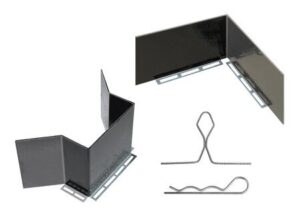
9 Mistakes to Avoid When Designing Sheet Metal Parts
Designing sheet metal parts can be frustrating. Small mistakes in the design often waste materials, increase costs, and cause delays. Engineers and manufacturers frequently face

Designing sheet metal parts can be frustrating. Small mistakes in the design often waste materials, increase costs, and cause delays. Engineers and manufacturers frequently face
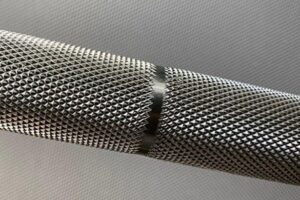
Knurling is a machining process that creates raised patterns on metal surfaces. It improves grip, adds a decorative touch, and can help with press fits. The method uses special tools to roll or cut patterns directly into the material.
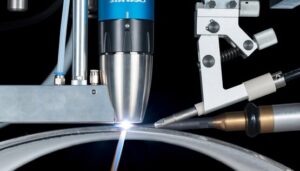
Plasma arc welding is a process that uses a focused arc to create a very hot plasma jet. This jet melts the metal and forms the weld. Depending on the setup, the arc forms between a tungsten electrode and the workpiece or between the electrode and a nozzle.
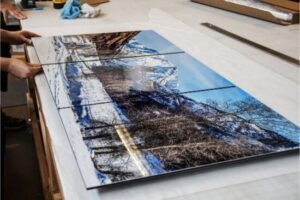
Sublimation printing is a process that turns solid dye particles into gas without going through a liquid stage. This happens when heat and pressure are applied. The gas penetrates the polymer coating on the metal surface and locks the dye molecules inside.
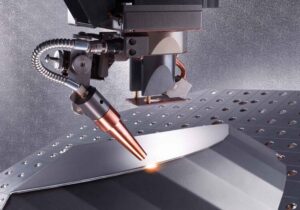
Medical welding joins metal parts used in healthcare devices. It is very different from regular welding. The parts are smaller, and the demands are much stricter. The goal is to create strong, clean, and reliable joints. These joints must handle sterilization and, in many cases, direct contact with the human body.
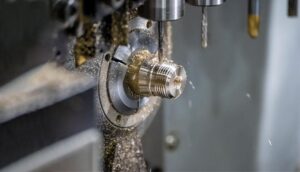
The best turning operation depends on your part’s shape, the surface finish you need, and the production volume. Rough turning removes a lot of material quickly. Finishing turning makes the surface smooth. Taper turning, contour turning, and threading create specific shapes. Boring and grooving handle internal and external cuts. Each type has a clear purpose.
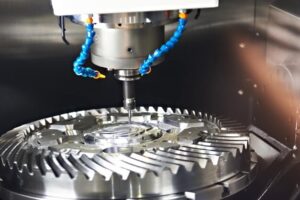
Milling operations describe how a machine cuts, shapes, and finishes materials. Each type has its own use and benefits. Common operations include face milling, peripheral milling, slotting, and using a mill for drilling. Some operations focus on surface finishing, while others remove material quickly or shape parts.
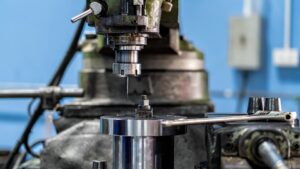
Manual milling is the process of shaping a workpiece with a milling machine operated by hand. The machine uses a rotating cutter to remove material and form flat surfaces, slots, holes, or more complex shapes. Unlike CNC milling, which follows computer programs, manual milling relies on the machinist’s skill and adjustments.
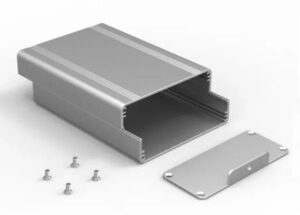
6063 aluminum is one of the most common alloys in the 6000 series. It offers good strength, strong resistance to corrosion, and a smooth surface finish. Its mix of mechanical and chemical properties makes it popular in industries where both performance and appearance are essential.
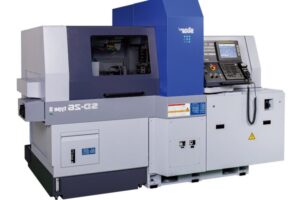
Lathes come in different types, each with a specific role. Engine lathes handle general cutting, while turret lathes improve speed for repeated parts. CNC lathes bring precision and automation. Specialized lathes, such as toolroom or vertical lathes, handle unique tasks. Each type serves different production needs and part sizes.
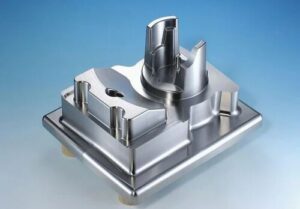
A mold mainly shapes molten or soft materials into a set form. Common examples include injection molding and casting. A die, in contrast, is used to cut, stamp, or shape sheet metal accurately. Both tools help create products efficiently, but work with different materials and methods.
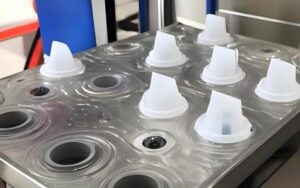
Rubber injection molding is a process that uses heat and pressure to shape rubber into finished parts. It starts with raw rubber, usually in strips or pellets. These are fed into an injection unit where they are heated until soft and pliable. Once ready, the rubber is injected into a closed mold under high pressure. The mold cavity is shaped to match the final part.
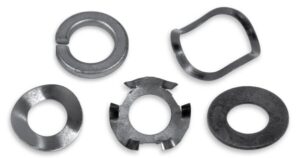
A washer is a small but essential part of mechanical assemblies. It is a thin, flat plate with a hole in the center that fits around a screw, bolt, or nut. Washers help fasteners connect surfaces more effectively. They spread out the force from tightening, reduce wear, and keep joints secure over time.
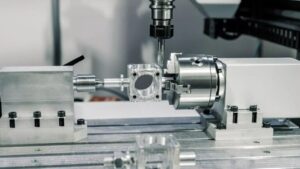
Ultra precision machining is a process that produces parts with extremely tight tolerances, often in the micron or even sub-micron range. To put this in perspective, a micron is one thousandth of a millimeter. Traditional machining allows for small deviations, but ultra-precision machining keeps these deviations almost nonexistent. This ensures parts fit perfectly, move smoothly, and perform reliably.
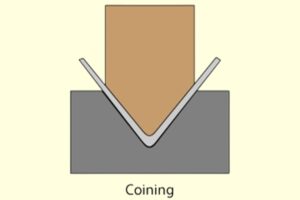
Metal coining is a forming process that uses high pressure to press metal into a die. The pressure makes the material flow into the die’s minor details, accurately capturing shapes, edges, and surface patterns. Since the process is below the metal’s recrystallization temperature, strain hardening strengthens the part.
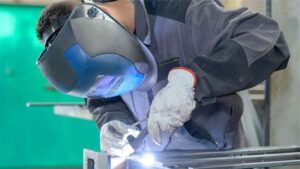
Precision welding creates fine and accurate joints in metal parts. Unlike regular welding, it uses advanced tools and controlled heat to deliver exact results. The main goal is to make welds that meet tight tolerances in strength and appearance. This allows delicate parts to be joined without harming nearby material.