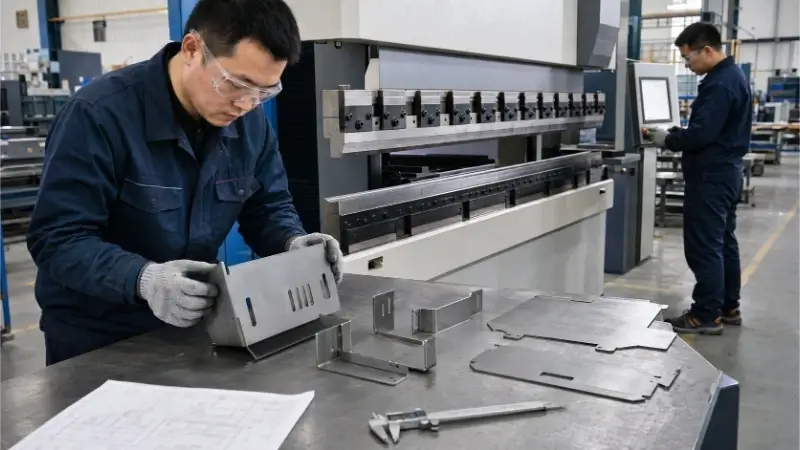
Nichtrostender Stahl 201 und 304 werden oft als austauschbar betrachtet, weil sie bei der ersten Lieferung ähnlich aussehen können. In realen Projekten zerfällt diese Annahme in der Regel später, nach der Formgebung, dem Schweißen, der Lagerung, der Reinigung und der normalen Beanspruchung.
Die eigentliche Entscheidung ist nicht, welche Sorte auf einer Materialliste besser klingt. Es geht um die Sorte, die auch dann noch gut funktioniert, wenn sie Feuchtigkeit, Handhabung, Oberflächenanforderungen und täglichem Gebrauch ausgesetzt ist. Wenn das Teil trocken bleibt, nur wenig benutzt und streng kontrolliert wird, kann 201 ausreichend sein. Wenn Schweißen, regelmäßiges Reinigen, sichtbare Oberflächenqualität oder unsichere Exposition Teil der Arbeit sind, ist 304 in der Regel die sicherere Wahl.
Die meisten schlechten Substitutionen beginnen auf die gleiche Weise: Die Zeichnung sieht einfach aus, aber die Einsatzbedingungen sind weniger mild als erwartet. Deshalb muss dieser Vergleich anhand der tatsächlichen Einsatzbedingungen erfolgen, nicht nur anhand des Preises für das Blatt.
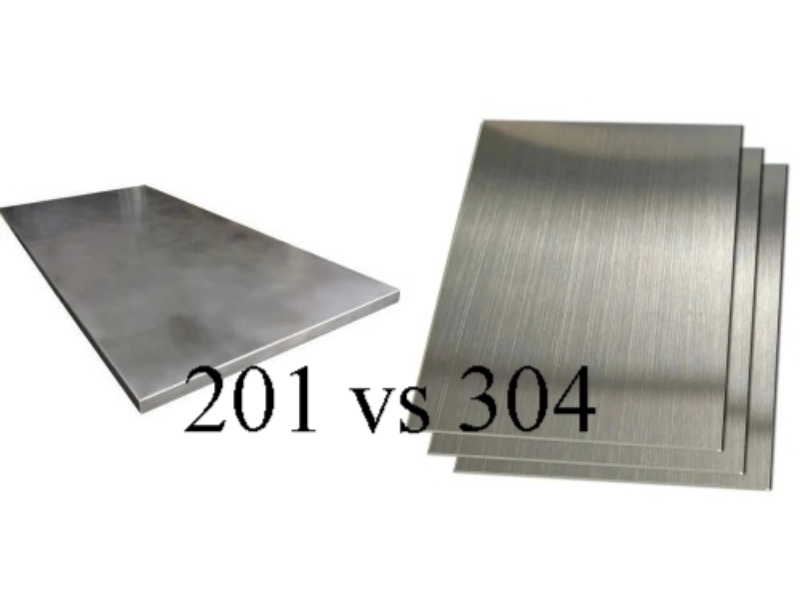
Warum 201 und 304 nicht austauschbar sind?
Sowohl 201 als auch 304 sind austenitische nichtrostende Stähle, und beide werden für Fertigteile verwendet. Das macht sie aber nicht zu weitgehenden Substituten füreinander. Bei konkreten Projekten zeigt sich der Unterschied in der Regel in der Korrosionsspanne, der Fertigungstoleranz und dem langfristigen Aussehen.
Was Veränderungen der Zusammensetzung in der Praxis bedeuten?
201 enthält in der Regel etwa 3,5-5,5% Nickel, während 304 in der Regel im Bereich von 8-10,5% liegt. Diese Lücke ist einer der Hauptgründe, warum 304 bei feuchter Luft, leichter chemischer Belastung und routinemäßiger Handhabung stabiler bleibt.
Der Unterschied zeigt sich selten bei der Lieferung. Er zeigt sich in der Regel erst später, nach der Lagerung im Lager, dem Transport, der Reinigung durch Abwischen oder dem normalen Gebrauch. Aus diesem Grund wird 201 in der Regel für engere Anwendungen und nicht als allgemeiner Ersatz für 304 gewählt.
| Element | 201 Rostfreier Stahl | 304 Edelstahl |
|---|---|---|
| Chrom | 16-18% | 18-20% |
| Nickel | 3.5-5.5% | 8-10.5% |
| Mangan | 5.5-7.5% | Max 2% |
Warum ist die Korrosionsleistung in realen Umgebungen nicht dieselbe?
304 verfügt über eine stabilere Passivschicht und ist daher weniger anfällig für feuchte Luft, Wasserkontakt und leichte Reinigungseinflüsse. Diese größere Korrosionsspanne ist der Grund, warum es der sicherere Standard für viele allgemeine rostfreie Teile bleibt, insbesondere für sichtbare Produkte, die Feuchtigkeit ausgesetzt sind, wie z. B. rahmenlose Duschtür Beschläge und zugehörige Armaturen.
201 kann in trockenen Innenräumen noch funktionieren, aber die Marge sinkt schnell, sobald Feuchtigkeit, Salze oder wiederholte Reinigung ins Spiel kommen. Bei realen Produkten sind die ersten Anzeichen oft Verfärbungen, Teeflecken oder frühere Korrosion in exponierten oder sichtbaren Bereichen. Dies ist in der Regel der Punkt, an dem eine billigere Qualität nicht mehr wirtschaftlich erscheint.
Warum hat 304 bei den meisten Anwendungen eine größere Sicherheitsspanne?
Die meisten Projekte sind in der Praxis weniger kontrolliert, als es bei der Angebotserstellung den Anschein hat. Teile können in einem feuchten Lager liegen, in Kisten transportiert werden, geschweißt und nachbearbeitet werden oder öfter als geplant gereinigt werden.
Bei 304 ist es schwieriger, unter diesen Bedingungen Fehler zu machen. Bei 201 kann ein und dasselbe Teil bei der Auslieferung zwar immer noch einwandfrei sein, aber sein Aussehen schneller verlieren oder im Betrieb früher Korrosion aufweisen. Deshalb wird 304 oft gewählt, nicht weil es hochwertiger klingt, sondern weil es dem Projekt mehr Spielraum für Variationen gibt.

Wo kann 201 Edelstahl verwendet werden?
201 ist nicht das falsche Material. Es handelt sich um eine kostengünstigere rostfreie Sorte mit einem engeren Betriebsfenster. Sie ist sinnvoll, wenn die Umgebung trocken bleibt, der Korrosionsbedarf gering ist und das Teil nur eine geringe Verarbeitungs- oder Wartungsspanne erfordert.
Innenräume und feuchtigkeitsarme Umgebungen
201 eignet sich am besten für trockene Innenräume, in denen die Feuchtigkeit gering und vorhersehbar bleibt. In dieser Art von Umgebung kann es eine akzeptable Leistung bieten, ohne für die zusätzliche Korrosionsspanne von 304 zu bezahlen.
Der Schlüssel liegt nicht nur im "Innenbereich", sondern darin, wie kontrolliert die Innenraumbedingungen wirklich sind. Wenn das Teil Kondenswasser ausgesetzt ist, feucht gelagert wird oder häufig abgewischt werden muss, ist die Wahrscheinlichkeit, dass 201 verwendet wird, wesentlich geringer. Aus diesem Grund ist die Verwendung in trockenen Innenräumen in der Regel der sicherste Ort.
Kostenorientierte Teile mit begrenzten Serviceanforderungen
201 ist nur dann wirtschaftlich sinnvoll, wenn der Preis eine echte Rolle spielt und der Servicebedarf wirklich gering ist. Dies gilt in der Regel für interne Halterungen, Abdeckungen, Verkleidungen oder andere Teile, die keinen rauen Umgebungsbedingungen ausgesetzt sind und deren langfristiges Erscheinungsbild nicht genau beurteilt wird.
Diese Logik bricht schnell zusammen, wenn der Betriebszustand unsicher ist. Materialeinsparungen können durch Nacharbeit, erhöhtes Reklamationsrisiko oder Ersatzkosten verloren gehen. In diesem Fall sind niedrige Anschaffungskosten kein echter Vorteil mehr.
Dekorative oder unkritische Komponenten
201 wird häufig für dekorative Teile verwendet, bei denen die Oberfläche nur mäßige optische Anforderungen erfüllen muss und die Teile in Innenräumen mit begrenzter Exposition verbleiben. Es kann ein rostfreies Aussehen zu geringeren Anschaffungskosten bieten, insbesondere bei Teilen mit geringer Beanspruchung und einfachen Wartungsbedingungen.
Es ist eine schwächere Wahl, wenn das Teil dem Kunden zugewandt ist und auf Dauer optisch sauber bleiben muss. Wenn gebürstete Oberflächen, Stabilität, Fleckenbeständigkeit oder langfristiges Aussehen wichtig sind, ist 304 in der Regel die sicherere Lösung.
Anwendungen mit kontrollierten Einsatzbedingungen
201 funktioniert am besten, wenn die Verwendungsbedingungen frühzeitig bekannt sind und es unwahrscheinlich ist, dass sie sich später ändern. Das bedeutet in der Regel Verwendung in Innenräumen, geringe Luftfeuchtigkeit, begrenzte Reinigung, keine Chloridbelastung und keine hohen Erwartungen an die langfristige kosmetische Stabilität.
Sobald diese Annahmen nicht mehr verlässlich sind, wird es schwieriger, 201 zu verteidigen. Dies ist in der Regel der Punkt, an dem Substitutionsentscheidungen zu nachgelagerten Qualitätsproblemen führen, die im ursprünglichen Angebot nicht sichtbar waren.

Wie sich die Materialwahl auf die Herstellung auswirkt?
Der Unterschied zwischen 201 und 304 beginnt nicht erst nach der Geburt. Er wirkt sich auch auf das aus, was während Biegen, Schweißen, Veredelungund Inspektion. Dies ist oft der Punkt, an dem ein Material, das auf dem Kostenvoranschlag akzeptabel aussah, in der Werkstatt Probleme verursacht.
Biege- und Umformverhalten in der Produktion
Beide Güten können umgeformt werden, bieten aber nicht den gleichen Spielraum in der Produktion. 201 ist in der Regel fester und weniger dehnbar als 304, wodurch er bei engeren Biegungen, tieferen Formen oder Teilen mit weniger Spielraum für Formabweichungen weniger nachsichtig ist.
Das bedeutet nicht, dass 201 unbrauchbar ist. Es bedeutet, dass Biegeradius, Formtiefe und Prozesskontrolle eine größere Rolle spielen. Wenn die Nachfrage steigt, ist 304 in der Regel die sicherere Wahl, da es dem Prozess ein größeres Fenster bietet und das Risiko von Rissen, instabiler Rückfederung oder sichtbarer Oberflächenspannung verringert.
| Eigenschaft | 201 Rostfreier Stahl | 304 Edelstahl |
|---|---|---|
| Streckgrenze (min) | 45 ksi | 30 ksi |
| Härte (Rockwell B) | 100 max. | 92 max |
| Verlängerung | 40% | 40% |
Unterschiede beim Schweißen und der Leistung nach dem Schweißen
Das Schweißen ist eine der schnellsten Möglichkeiten, die Grenzen einer kostengünstigen Substitution aufzuzeigen. Ein Teil kann vor dem Schweißen annehmbar aussehen, dann aber nach Hitzeeinwirkung, Verfärbung, Reinigung und Betriebseinwirkung viel anfälliger werden.
304 ist in der Regel die sicherere Sorte für geschweißte Teile, die Feuchtigkeit, regelmäßiger Reinigung oder langfristigem Gebrauch ausgesetzt sind. Bei 201 bietet die Schweißzone weniger Spielraum, sobald das Teil kontrollierte Bedingungen verlässt, insbesondere wenn der Schutz nach dem Schweißen begrenzt ist oder die Baugruppe optisch sauber bleiben soll. Aus diesem Grund ist 201 bei geschweißten Bauteilen mit sichtbaren Oberflächen schwieriger zu rechtfertigen.
Konsistenz und Aussehen der Oberflächenbehandlung
Wenn das Teil gebürstet oder poliert wird oder in einem sichtbaren Produkt verwendet wird, ist die Stabilität der Oberfläche fast genauso wichtig wie die Korrosionsbeständigkeit. Bei vielen realen Projekten wird das Teil zuerst nach dem Aussehen und nicht nach dem Materialzeugnis beurteilt. Dies gilt insbesondere für Anwendungen wie Drahtgewebe für die Innenarchitekturwo Oberflächenbeschaffenheit und langfristige optische Sauberkeit Teil des Produktwertes sind.
304 liefert in der Regel ein stabileres Ergebnis bei Anwendungen, die empfindlich auf die Oberfläche reagieren. 201 kann immer noch gut verarbeitet werden, aber das Risiko steigt, sobald Flecken, Verfärbungen oder Unregelmäßigkeiten in der Verarbeitung im Betrieb sichtbar werden. In diesem Fall kann ein kostengünstigeres Material ein teureres Qualitätsproblem verursachen.
Auswirkungen auf Inspektion, Nacharbeit und Produktionsstabilität
Die Wahl des Materials beeinflusst auch, wie leicht das Teil die Erwartungen von Charge zu Charge erfüllt. Wenn das Produkt von einem stabilen Erscheinungsbild, wiederholbaren Schweißergebnissen oder einem geringen Nacharbeitsrisiko abhängt, ist das leichter zu kaufende Material nicht immer auch das leichter zu verarbeitende Material.
Dies ist der Punkt, an dem 304 oft seine zusätzlichen Kosten verdient. Die Produktion bietet in der Regel mehr Spielraum für Abweichungen, während 201 eine strengere Kontrolle erfordert, wenn das Teil nach der Auslieferung sauber, konsistent und akzeptabel bleiben soll. Dieser Unterschied ist vor allem bei sichtbaren Teilen, Schweißnähten und Aufträgen mit wenig Toleranz für Reklamationsrisiken von Bedeutung.
Was bedeutet der Preisunterschied wirklich?
Der Preisunterschied zwischen 201 und 304 ist real, und deshalb wird der Vergleich so oft angestellt. Aber die Rohstoffkosten sind nur ein Teil der Entscheidung. Ein niedrigerer Einkaufspreis hilft nur, wenn er nicht zu höheren Kosten an anderer Stelle führt.
Rohstoffpreis vs. Gesamtprojektkosten
201 wird in der Regel gewählt, weil es die Materialkosten im Vorfeld senkt. Bei einfachen, risikoarmen, trockenen Anwendungen in Innenräumen kann diese Wahl über den gesamten Arbeitszyklus hinweg Bestand haben.
Das Problem beginnt, wenn die Entscheidung nur aufgrund des Blechpreises getroffen wird. Wenn das Teil später Feuchtigkeit, wiederholter Reinigung, Schweißarbeiten, sichtbaren Oberflächenanforderungen oder reklamationsanfälliger Verwendung ausgesetzt ist, können die ursprünglichen Einsparungen sehr schnell schrumpfen. Aus diesem Grund ist die billigere Sorte nicht immer die kostengünstigere Entscheidung.
Unterschiede bei den Herstellungs- und Veredelungskosten
Günstigeres Material bedeutet nicht automatisch niedrigere Herstellungskosten. Wenn eine Sorte weniger Spielraum für Umformung, Schweißen oder Endbearbeitung bietet, muss der Prozess strenger kontrolliert werden, um das gleiche Ergebnis zu erzielen.
Diese Kosten sind in der Regel nicht im Angebot enthalten. Sie machen sich erst später in Form von langsamerer Verarbeitung, längerer Inspektionszeit, zurückgewiesenen Teilen oder zusätzlichem Aufwand für das Management von fertigungsbedingten Abweichungen bemerkbar. An dieser Stelle erkennen die Einkäufer, dass Materialeinsparungen und Produktionseinsparungen nicht dasselbe sind.
Risiko von Korrosion, Reklamationen und Ersatzbeschaffungen
Dies ist der Punkt, an dem viele preisgünstige Ersatzteile nicht mehr attraktiv sind. Ein Teil, das zwar beim Blechpreis Geld spart, aber später Verfärbungen, Teeflecken oder frühzeitige Korrosion aufweist, kann sich schnell zu einem Reklamationsproblem anstatt zu einem Kaufgewinn entwickeln.
Dieses Risiko ist bei Produkten mit Kundenkontakt, sichtbaren Beschlägen, küchenbezogenen Teilen und Baugruppen, von denen erwartet wird, dass sie im Betrieb sauber bleiben, noch größer. In diesen Fällen wirkt sich die Entscheidung über die Güteklasse nicht nur auf die Leistung aus, sondern auch auf die Ersatzteilkosten, die Garantieansprüche und das Vertrauen in das Endprodukt. Hier verdient 304 in der Regel die Mehrausgaben.
Warum können niedrigere Anfangskosten später zu höheren Kosten führen?
Dies ist der eigentliche Entscheidungspunkt. Wenn die Betriebsbedingungen wirklich mild und kontrolliert sind, kann 201 die Kosten senken, ohne dass es zu großen Nachteilen kommt. Sobald das Umfeld weniger vorhersehbar wird, kann die kostengünstigere Option die teurere sein.
Die bessere Frage lautet nicht "Welche Sorte ist billiger?", sondern "Welche Sorte verursacht später weniger Kosten?" Bei vielen realen Projekten führt diese Frage zurück zu 304.
Wie man zwischen 201 und 304? wählt
Die richtige Wahl hängt weniger von der Materialbezeichnung als vielmehr davon ab, wie das Teil tatsächlich hergestellt, verwendet und nach der Lieferung beurteilt wird. Bei den meisten Projekten wird die Antwort viel klarer, wenn die tatsächlichen Betriebsbedingungen definiert sind und nicht nur angenommen werden.
Beginnen Sie mit der Dienstumgebung
Dies ist in der Regel der erste und entscheidende Filter. Wenn das Teil in geschlossenen, trockenen Räumen gelagert und nur wenig benutzt wird, kann 201 ausreichend sein. Wenn es Feuchtigkeit, Außenluft, regelmäßiger Wischreinigung oder unsicheren Lagerungsbedingungen ausgesetzt sein könnte, ist 304 in der Regel die sicherere Qualität.
Hier beginnen viele schlechte Ersetzungen. Die Zeichnung mag einfach aussehen, aber die reale Umgebung ist oft weniger kontrolliert, als das Zitat vermuten lässt.
Anforderungen an Formgebung, Schweißen und Endbearbeitung prüfen
Die Entscheidung für eine Sorte sollte nicht nur auf der Korrosion beruhen. Wenn das Teil stark gebogen, tief umgeformt, geschweißt, gebürstet oder poliert wird, beeinflusst die Wahl des Werkstoffs, wie viel Spielraum der Prozess hat, bevor die Qualität abnimmt.
304 ist in der Regel leichter zu verteidigen, wenn die Anforderungen an die Fertigung höher sind oder die Oberfläche sichtbar bleiben soll. Wenn es sich um ein einfaches Teil handelt und die Erwartungen an die Oberfläche gering sind, kann 201 noch funktionieren, aber nur, wenn diese Grenzen von Anfang an klar sind. In diesem Fall ist die Verarbeitungsspanne wichtiger als der Blechpreis.
Bewertung des Korrosionsrisikos und der Produkterwartungen
Nicht jedes Projekt aus rostfreiem Stahl benötigt den gleichen Korrosionsschutz. Die eigentliche Frage ist nicht, ob das Teil "rostfrei" ist, sondern ob es nach monatelangem Gebrauch, Handhabung und Reinigung noch sauber und stabil aussieht.
Wenn das Produkt für den Kunden bestimmt ist, häufig gereinigt wird oder über einen längeren Zeitraum eine stabile Oberfläche behalten soll, ist 304 in der Regel die sicherere Wahl. Das Gleiche gilt für hygienesensible Geräte wie z. B. pharmazeutische Maschinenwenn regelmäßige Reinigung, Oberflächenstabilität und ein geringeres Kontaminationsrisiko wichtiger sind als geringe Materialeinsparungen. Wenn das Teil versteckt ist, nur wenig benutzt wird und vor Feuchtigkeit geschützt ist, kann 201 immer noch eine vernünftige Option sein. In diesem Fall müssen die Anforderungen an das Aussehen und die tatsächliche Nutzung ehrlich abgewogen werden.
Abwägen von Materialkosten und Ausfallrisiko
Dies ist die letzte Prüfung. Ein niedrigerer Materialpreis ist nur dann hilfreich, wenn er später nicht zu höheren Kosten durch Nacharbeit, Reklamationen, Ersatzlieferungen oder vermeidbare Qualitätsprobleme führt.
Bei Anwendungen mit geringem Risiko kann 201 eine vernünftige, kostensparende Wahl sein. Bei Anwendungen mit höherem Risiko ist 304 oft die kostengünstigere Entscheidung, wenn die gesamten Projektkosten berücksichtigt werden. Aus diesem Grund sollte die Wahl des Materials anhand des Ausfallrisikos und nicht allein anhand des Blechpreises getroffen werden.
Häufige Fehler beim Vergleich von 201 und 304
Die meisten Materialfehler entstehen nicht, weil man ein Datenblatt falsch versteht. Sie kommen daher, dass das richtige Material unter falschen Bedingungen verwendet wird oder dass der Kaufpreis als wichtigster Entscheidungspunkt angesehen wird.
Alle nichtrostenden Stähle als austauschbar behandeln
Dies ist der häufigste Fehler. Zwei nichtrostende Stahlsorten können im Rohzustand oder bei der Auslieferung ähnlich aussehen, aber sie verhalten sich nach dem Biegen, Schweißen, Lagern und der Beanspruchung im Betrieb nicht gleich.
Aus diesem Grund sollte 201 nicht als weitgehender Ersatz für 304 betrachtet werden. Die Überschneidungen sind real, aber auch die Fehlerquellen. Dies ist in der Regel der erste Fehler, der zu einem vermeidbaren Substitutionsrisiko führt.
Preisvergleiche ohne Prüfung der tatsächlichen Nutzungsbedingungen
Ein niedrigerer Materialpreis kann bei der Angebotserstellung attraktiv erscheinen, insbesondere bei größeren Mengen. Wenn das Teil jedoch später Feuchtigkeit ausgesetzt ist, regelmäßig gereinigt werden muss, im Freien verwendet wird oder eine sichtbare Oberfläche benötigt, kann es sein, dass dieser niedrigere Preis nicht über den gesamten Projektzyklus hinweg Bestand hat.
An dieser Stelle gehen viele Entscheidungen schief. Der Kostenvoranschlag enthält zwar die Kosten für das Blech, aber die Kosten für Reklamationen, Nacharbeiten und Ersatzteilbeschaffung werden in der Regel erst später bekannt.
Ignorieren von geschweißten Bereichen und fertigen Oberflächen
Ein Teil wird selten nur nach seinem Grundmaterial beurteilt. Es wird danach beurteilt, wie es nach dem Laserschneiden, Biegen, Schweißen, Bürsten, Polieren, Zusammenbau und der Lieferung aussieht und funktioniert.
Aus diesem Grund ist bei geschweißten Baugruppen und sichtbaren Fertigteilen mehr Vorsicht geboten. Wenn diese Bereiche Teil des Produktwertes sind, ist 304 in der Regel die sicherere Lösung. Dies ist oft der Punkt, an dem eine technisch akzeptable Substitution zu einem Qualitätsproblem für den Kunden wird.
Die Annahme, dass die Verwendung in Innenräumen immer ein geringes Risiko bedeutet
Die Verwendung in Innenräumen klingt sicher, bedeutet aber nicht immer trocken, stabil und leicht zu reinigen. Teile in Innenräumen können immer noch durch Kondensation, Feuchtigkeit im Lager, Transport in Kisten, häufiges Abwischen oder uneinheitliche Lagerbedingungen beeinträchtigt werden.
Aus diesem Grund reicht die "Verwendung in Innenräumen" allein nicht aus. Die tatsächliche Umgebung muss noch geprüft werden. An dieser Stelle beginnen viele Annahmen mit geringem Risiko zu scheitern.
Schlussfolgerung
201 und 304 sind nicht austauschbar, wenn es um ein umfassendes Projekt geht. 201 kann gut funktionieren, wenn die Umgebung trocken, stabil und risikoarm ist, aber der Spielraum ist kleiner, und die Grenzen müssen beachtet werden.
304 ist in der Regel die sicherere Wahl, wenn das Teil Feuchtigkeit, Reinigungs-, Schweiß- oder sichtbaren Oberflächenanforderungen ausgesetzt ist oder wenn die realen Bedingungen unsicher sind. In diesen Fällen wird mit den zusätzlichen Materialkosten oft eine größere Korrosionsspanne, stabilere Fertigungsergebnisse und ein geringeres Risiko nach der Lieferung erkauft.
Die Wahl zwischen 201 und 304 ist viel einfacher, wenn die tatsächlichen Einsatzbedingungen frühzeitig klar sind. Wenn Sie ein Teil aus rostfreiem Stahl prüfen und Hilfe bei der Bewertung der Umgebung, der Herstellungsmethode, der Oberflächenanforderungen oder der Kostenkompromisse benötigen, kann unser Team Ihnen helfen, die richtige Sorte zu bestimmen, bevor die Produktion beginnt.
Senden Sie uns Ihre Zeichnung oder Projektdetailsund wir können die Materialauswahl, die Herstellbarkeit und das Oberflächenrisiko auf der Grundlage der tatsächlichen Herstellung und Verwendung des Teils überprüfen.
Hey, ich bin Kevin Lee

In den letzten 10 Jahren bin ich in verschiedene Formen der Blechbearbeitung eingetaucht und teile hier coole Erkenntnisse aus meinen Erfahrungen in verschiedenen Werkstätten.
Kontakt aufnehmen
Kevin Lee
Ich verfüge über mehr als zehn Jahre Berufserfahrung in der Blechverarbeitung und bin auf Laserschneiden, Biegen, Schweißen und Oberflächenbehandlungstechniken spezialisiert. Als Technischer Direktor bei Shengen bin ich bestrebt, komplexe Fertigungsherausforderungen zu lösen und Innovation und Qualität in jedem Projekt voranzutreiben.
Verwandte Ressource
Materialien für den Prototypenbau: So wählen Sie das richtige Material aus
Pressverbindungen in der Blechbearbeitung: Konstruktion, Kosten und Qualität
Stahl 4140 im Vergleich zu Stahl 4130: Bearbeitung, Schweißen und Auswahl