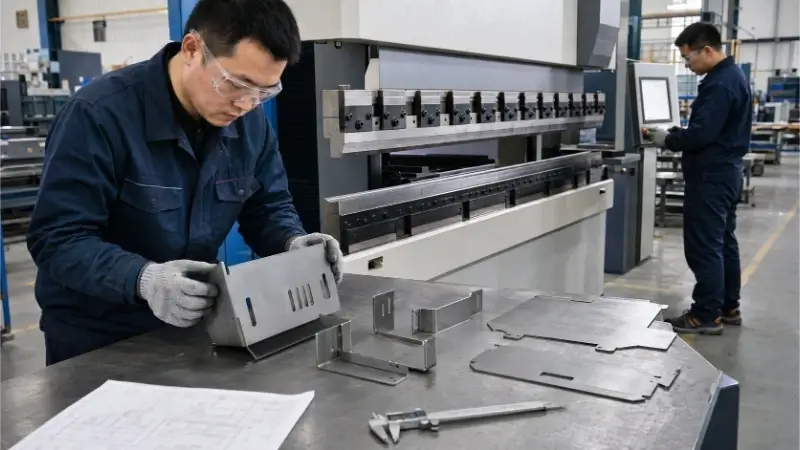
Процессы электрооцинкования (EG) и горячего цинкования (HDG) решают фундаментальную проблему: предотвращение окисления стальных субстратов. Однако выбор подходящего цинкового покрытия выходит далеко за рамки базовой коррозионной стойкости.
При горячем цинковании сталь погружается в расплавленный цинк, образуя толстый (80-100 мкм) металлургический слой, идеально подходящий для суровых условий эксплуатации на открытом воздухе. Электрооцинковка электрическим способом наносит тонкий (10-12 мкм), равномерный слой цинка, сохраняя жесткие допуски на обработку и обеспечивая гладкую поверхность, предназначенную исключительно для внутренних помещений с низким уровнем коррозии.
В данном руководстве EG и HDG рассматриваются с точки зрения производственного инжиниринга, подробно описывается поведение каждого покрытия при изготовлении и в полевых условиях.
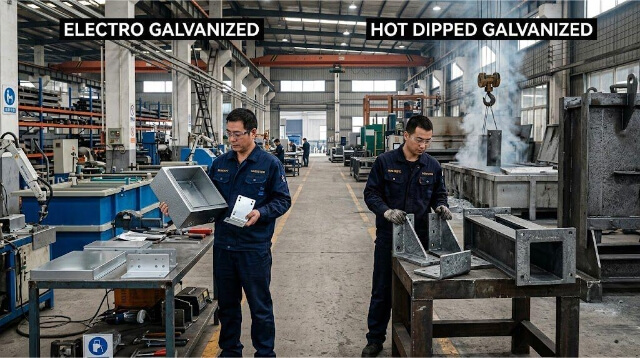
Методы нанесения: Фактор, определяющий поведение покрытия
Чтобы понять, почему кронштейн из листового металла В зависимости от покрытия цинк ведет себя по-разному, поэтому необходимо оценить метод осаждения. Физико-химическое нанесение цинка определяет его толщину, равномерность и прочность сцепления с базовой основой.
Гальваническое цинковое покрытие: контролируемое и равномерное
Электрогальванизация - это холодный процесс с электрическим приводом. Погружение стали в цинк-ионный электролит под постоянным током связывает цинк с основой на молекулярном уровне.
- Толщина: Высокий уровень контроля, обычно поддерживается оболочка от 10 до 12 микрон.
- Допуски: Благодаря электрическому осаждению цинк распределяется равномерно. Он сохраняет исходные геометрические допуски без образования скоплений или локальных наростов.
Горячеосажденный цинк: Металлургическое соединение
Горячее цинкование это жестокий термический процесс, при котором сталь погружается в чан с расплавленным цинком, работающим при температуре около 450°C (840°F).
- Склеивание: Под воздействием высокой температуры происходит термическая реакция, в результате которой образуется прочный слой сплава цинка и железа, покрытый чистым цинком. Таким образом образуется металлургическая связь, очень устойчивая к механическим воздействиям.
- Толщина: Массивный. Обычно от 80 до 100+ микрон, что напрямую зависит от калибра стали.
- Допуски: HDG отменяет исходные параметры конструкции. Прецизионные пазы, сопрягаемые поверхности с жесткими допусками или резьбовые отверстия потребуют дополнительных операций после нанесения покрытия (например, повторного нарезания резьбы) из-за сильного накопления цинка.
Морфология поверхности: Матовая поверхность против угловой
Поскольку EG - это контролируемое электрохимическое осаждение, поверхность остается гладкой и матовой. Она зеркально отражает базовую отделку холоднокатаной стали, что делает ее идеальной для косметических деталей из листового металла, требующих немедленной адгезии краски с минимальной подготовкой поверхности.
Напротив, HDG - это охлаждающийся жидкий металл. По мере застывания он образует кристаллические структуры, известные как "брызги". Жидкий металл очень склонен к образованию подтеков и скоплений на краях или внутри отверстий. Окраска поверхности HDG требует агрессивной механической или химической подготовки для обеспечения надлежащего сцепления с грубой, непредсказуемой текстурой.
Соответствие покрытий условиям эксплуатации
Использование сверхпрочного HDG для внутреннего телекоммуникационного шасси - это излишняя трата капитала. И наоборот, использование EG для наружных структурных компонентов гарантирует преждевременный выход из строя в полевых условиях.
Крытые и контролируемые помещения
Для внутренних кронштейнов станков, шкафов управления или серверных стоек EG является промышленным стандартом. Тонкий слой обеспечивает достаточную барьерную защиту от влажности окружающей среды и случайных манипуляций в цеху.
Устойчивость к атмосферным воздействиям
Голый EG не имеет необходимой массы цинка для наружного воздействия, и под воздействием прямого дождя, ультрафиолета и промышленного загрязнения в течение одного года на нем обычно появляется красная ржавчина.
Неокрашенные наружные конструкции требуют HDG. Толстый слой сплава действует как массивный жертвенный анод, обеспечивая от 20 до 50 с лишним лет необслуживаемой службы в суровых погодных условиях.
Прибрежные и морские зоны
Хлориды быстро ускоряют разрушение цинка. В условиях солевых брызг голый EG выходит из строя практически мгновенно, а стандартный HDG разрушается с ускоренной скоростью. Инженеры должны указывать стандарты HDG с большим весом (например, ASTM A123) или использовать дуплексную систему - основа HDG полностью закрыта сверхпрочное порошковое покрытие-для изоляции субстрата от соленого воздуха.
Фактор коррозии режущей кромки
Изготовление предварительно оцинкованного листового металла с помощью лазерная резка, пробиваниеВ результате сдвига или среза обнажаются края стали. Это основной момент отказа в узлах из листового металла.
- Предварительно оцинкованный EG: Минимальный слой цинка обеспечивает незначительную гальваническую защиту через зазор между обрезанными краями. В условиях повышенной влажности открытая кромка быстро окисляется.
- Пакетное решение HDG: При работе в сложных условиях нельзя полагаться на предварительно оцинкованные детали. Вы должны сначала изготовить компонент из голой низкоуглеродистой стали, а затем подвергнуть полностью сформированный узел пакетному горячему цинкованию. Это гарантирует, что 100% открытых кромок, пробитых отверстий и сварных швов будут герметично закрыты расплавленным цинком.
Ограничения, связанные с изготовлением и DFM, которые диктуют выбор материала
Вы не можете просто спроектировать деталь, нанести на чертеж спецификацию покрытия и ожидать, что завод сам разберется с ней. Цинковое покрытие, которое вы выбираете, физически диктует, как металл может быть обработан, сформирован и сварен в цеху.

Зазор в резьбе и посадка крепежа
Горячее цинкование коренным образом изменяет геометрию детали. Расплавленный цинк скапливается внутри глухих отверстий и интенсивно накапливается на мелкой резьбе, устраняя рассчитанные проектные зазоры.
И наоборот, Электро оцинкованный Компоненты сохраняют чрезвычайно жесткие допуски. Равномерный, микротонкий слой EG толщиной 10 мкм обеспечивает посадку прецизионных крепежных деталей и штифтов с малым зазором с нулевой потерей зазора.
- Реальность механической обработки: Если вы укажете HDG для внутренних резьбовых отверстий размером менее M8 (5/16″), вы гарантируете интерференционную посадку. Операторам придется вручную заново нарезать каждое отверстие на сборочной линии - дорогостоящая трудоемкая операция, которая полностью удаляет цинковый барьер и делает голую сталь уязвимой для окисления.
Поведение при сварке и выгорание цинка
Термическая динамика сварки стали с цинковым покрытием требует особых протоколов работы в цехе. Сильный жар сварочной дуги испаряет толстый слой HDG, выделяя токсичные пары оксида цинка и вызывая сильную пористость шва и разбрызгивание.
Чтобы выполнить структурную сварку на детали из HDG, операторы должны механически счищать цинк с зон сварки, сваривать голую сталь и вручную наносить холодное цинкование, богатое цинком соединение после сварки. Более тонкое покрытие EG испаряется гораздо чище, что обеспечивает стабильную дугу, предсказуемые сварочные ванны и значительно меньшее количество доработок после сварки.
Пределы формовки и радиусы изгиба
Если вы штампуете или сгибаете предварительно оцинкованный металлический лист, физическая пластичность покрытия определяет допустимый радиус изгиба. Толстые слои сплава цинка и железа в HDG сравнительно хрупкие. Принуждение листов HDG к изгибу с малым радиусом приводит к образованию микротрещин и отслаиванию вдоль линии изгиба.
Электрооцинкованные листы (например, SECC) Растягиваются и деформируются предсказуемо вместе с лежащей в основе холоднокатаной сталью. Цинковый слой остается неповрежденным без сдвига, даже при агрессивной глубокой вытяжке или сложных операциях прогрессивной штамповки.
Совместимость с поверхностными покрытиями и последующей обработкой
Для нанесения порошкового покрытия или краски по мокрому методу требуется совместимая подложка. Если исходить из предположения, что можно красить любую цинковую поверхность, это приведет к снижению показателей выхода косметики.
EG в качестве подложки для порошкового покрытия
Сталь EG выступает в качестве оптимального грунтовочного слоя. Поскольку она очень однородная и ровная, она обеспечивает безупречную основу для адгезии полимеров. При условии надлежащего обезжиривания деталей для удаления штамповочных масел порошковая краска идеально сцепляется с поверхностью EG, обеспечивая высококачественное покрытие потребительского класса.
Газовыделение HDG и спенгл
Нельзя напрямую наносить порошковое покрытие на HDG и ожидать косметического результата. HDG имеет кристаллическую структуру, неровные края и локальные капли цинка. Нанесение порошковой краски непосредственно на этот неровный рельеф усиливает все дефекты поверхности.
Кроме того, запекание толстых деталей из HDG в печи для порошковой окраски часто приводит к выделению цинка. Этот выделяющийся газ проникает через отверждающийся полимер, что приводит к образованию пинхоллов или постоянных волдырей на конечном слое краски.
Затраты на предварительную обработку в дуплексной системе
Чтобы сделать детали из HDG пригодными для косметической покраски (создание системы Duplex), на заводе должна быть проведена агрессивная механическая предварительная обработка. Изготовители должны вручную зачистить капли цинка, провести легкую абразивную очистку, чтобы профилировать поверхность для адгезии, и предварительно запечь детали, чтобы вытеснить газы перед нанесением порошка.
- Предупреждение о стоимости: Ручная шлифовка и термоциклирование, необходимые для подготовки поверхности HDG, обычно увеличивают стоимость обработки поверхности на 30% - 50%.
Скрытые расходы: Почему "самый дешевый" материал обычно не является таковым
Оценка стоимости сырья на килограмм не учитывает реальность производства. Общая стоимость производства должна учитывать вторичную доработку, логистику и количество отказов в полевых условиях.
- Базовые затраты на материалы и переработку: Предварительно оцинкованный лист EG является экономически эффективным и очень доступным. Пакетный HDG добавляет дополнительную плату за обработку в зависимости от веса. На бумаге EG кажется выигрышным с точки зрения бюджета.
- Накладные расходы на оплату труда и переработку: Дешевый" процесс HDG быстро расходует капитал, когда он попадает на сборочный конвейер. Первоначальная экономия материалов сходит на нет, если оператору приходится вручную прогонять засорившуюся резьбу, шлифовать сварочные брызги или зачищать острые скопления цинка, чтобы обеспечить посадку сопрягаемых деталей.
- Время выполнения логистики: Детали EG режутся, гнутся и отгружаются исключительно на предприятии по производству листового металла. Партия HDG требует транспортировки готовых деталей из голой стали на специализированный завод химического цинкования. Эта логистическая цепочка предсказуемо увеличивает срок изготовления на 1-2 недели.
- Полевое обслуживание: Для наружных компонентов затраты на обслуживание превышают затраты на производство. Вызов специалиста для шлифовки и перекраски заржавевшего кронштейна EG стоит в геометрической прогрессии больше, чем сама деталь. Для структурных наружных конструкций HDG гарантирует отсутствие необходимости в обслуживании, связанном с коррозией, в течение десятилетий.
Вердикт по жизненному циклу
- Укажите ЭГ для прецизионных, внутренних или косметических корпусов. Он минимизирует общие производственные затраты, устраняя переделки на сборочном конвейере и обеспечивая безупречную адгезию порошкового покрытия.
- Укажите HDG для тяжелых, структурных или неокрашенных наружных деталей. Гарантирует самую низкую Общая стоимость жизненного цикла действуя как массивный жертвенный анод и предотвращая сбои в работе.
Стандарты цинкового покрытия: Определение обозначения чертежа
Неоднозначные примечания к чертежам приводят к появлению деталей, не соответствующих требованиям. Вы должны указать точный стандарт ASTM, чтобы определить вес покрытия, метод нанесения и допустимые допуски в цеху.
ASTM A879: Электрооцинкованный лист
Укажите ASTM A879 когда требуется прецизионная, тонкослойная, холодно обработанная электрооцинкованная сталь. Этот стандарт определяет массу покрытия, обычно указываемую в граммах на квадратный метр (например, 20G/20G). Этот микротонкий слой гарантирует, что цинковая оболочка не будет мешать расчетным вычетам на изгиб листового металла или жестким монтажным зазорам.
ASTM A653: предварительно оцинкованный лист HDG
Если в проекте используется листовой металл, который перед изготовлением подвергается горячему погружению на заводе, укажите ASTM A653. Этот стандарт основан на системе G-весов, измеряющей массу цинка в унциях на квадратный фут.
- G30: Минимальная барьерная защита; подходит только для контролируемых внутренних сред, таких как внутренние воздуховоды HVAC.
- G60: Отраслевой базовый показатель для стандартного применения в помещениях с переменной влажностью окружающей среды.
- G90: Базовый вариант для неокрашенных корпусов, предназначенных для тяжелых условий эксплуатации на открытом воздухе, обеспечивающий примерно в 1,5 раза большую массу цинка, чем G60.
ASTM A123: Пакетное горячее цинкование
При изготовлении необработанной структурной рамы, требующей послесварочного погружения в расплавленный цинк, используйте ASTM A123. Этот стандарт предписывает минимальную толщину покрытия - часто превышающую От 80 мкм до 100 мкм+-Зависит от марки стали и калибра материала. Укажите A123 для узлов, требующих десятилетнего срока службы в коррозионной морской или промышленной среде.
Матрица инженерного выбора: Электрооцинковка против горячей оцинковки
Используйте следующие рабочие параметры для определения спецификации материала.

Укажите электрооцинкованное покрытие, если:
- Проектирование внутреннего оборудования, панелей управления или прецизионных внутренних компонентов шасси.
- В конструкции используются жесткие допуски при обработке на станках с ЧПУ и внутренняя резьба размером менее M8.
- Процесс изготовления предполагает сильную глубокую вытяжку или резкие радиусы изгиба, где толстый слой цинкового сплава может дать микротрещину.
- Поверхность служит прямым основанием для нанесения порошкового косметического покрытия или мокрой краски премиум-класса.
Укажите горячую оцинковку, если:
- Сборка подвергается прямому воздействию атмосферных явлений (ультрафиолет, дождь и атмосферные загрязнения) на открытом воздухе без покраски.
- Проектирование тяжелых кронштейнов из конструкционной стали, сварных рам или сельскохозяйственного оборудования.
- Условия эксплуатации являются критическими к коррозии, например, тяжелые промышленные зоны или помещения с высокой влажностью.
- Проект требует длительного срока службы с нулевым обслуживанием на месте.
Заключение
Разница между электрооцинкованной и горячеоцинкованной сталью заключается не только в коррозионной стойкости. Это производственное решение. Оно влияет на то, как будет изготовлена деталь, как она будет работать и как долго прослужит в реальной эксплуатации. Правильный выбор сокращает количество повторных работ, повышает надежность и стабилизирует стоимость производства с течением времени.
В компании Shengen мы опираемся на более чем 10-летний опыт производства листового металла и быстрого создания прототипов для решения именно таких задач DFM. Мост между номинальной моделью CAD и жизнеспособным серийным производством требует понимания реалий цеха.
Убедитесь, что ваша стратегия DFM соответствует вашей среде обслуживания. Отправьте файлы CAD или 2D-чертежи для инженерного анализа. Наша команда проверит стандарты покрытия, чтобы предотвратить потерю зазора и минимизировать общую стоимость производства.
Привет, я Кевин Ли

Последние 10 лет я занимался различными формами изготовления листового металла и делился здесь интересными идеями из своего опыта работы в различных мастерских.
Связаться
Кевин Ли
У меня более десяти лет профессионального опыта в производстве листового металла, специализирующегося на лазерной резке, гибке, сварке и методах обработки поверхности. Как технический директор Shengen, я стремлюсь решать сложные производственные задачи и внедрять инновации и качество в каждом проекте.
Связанный ресурс
Материалы для прототипирования: как выбрать подходящий материал
Прессовое соединение листового металла: проектирование, стоимость и качество
Сталь 4140 и 4130: механическая обработка, сварка и выбор