
Satynowe wykończenie może wyglądać prosto na rysunku, ale jest to jedno z najłatwiejszych do błędnego odczytania wymagań dotyczących powierzchni w produkcji. Ta sama uwaga może prowadzić do bardzo różnych rezultatów, jeśli materiał, powierzchnia początkowa, oczekiwane ziarno i metoda wykończenia nie są do siebie dopasowane.
Zwykle jest wybierany, gdy metalowa część wymaga czystej powierzchni o niskim połysku bez silnego odbicia polerowanego metalu. Na widocznych częściach może zmniejszyć odblaski, sprawić, że lekkie ślady obsługi będą mniej rozpraszające i nadać produktowi powierzchnię, która jest łatwiejsza do zatwierdzenia niż jasne polerowane wykończenie.
Dlatego satynowe wykończenie nie powinno być traktowane jako niejasna uwaga kosmetyczna. Ostateczny rezultat zależy od materiału, powierzchni wyjściowej, sposobu wykończenia i tego, jak ściśle kontrolowany jest proces w zależności od części.
Jak wygląda satynowe wykończenie?
Satynowe wykończenie nadaje metalowi gładki, równomierny wygląd o niskim połysku. Znajduje się pomiędzy jasną, wypolerowaną powierzchnią a szorstkim, fabrycznym wykończeniem. Powierzchnia nie odbija światła jak lustro, ale nadal wygląda na wykończoną i kontrolowaną.
To wykończenie jest powszechne w osłony ze stali nierdzewnej, panele wyposażenia, listwy ozdobne, uchwyty, obudowyi innych widocznych części. W takich przypadkach celem jest zazwyczaj ograniczenie odblasków, zmniejszenie widoczności jasnych śladów na powierzchni i zapobieganie zbyt jasnemu lub zbyt surowemu wyglądowi części.
Na polerowanej powierzchni bardzo szybko pojawiają się odblaski, odciski palców i drobne rysy. Satynowe wykończenie jest często wybierane, gdy część wymaga cichszej powierzchni, szczególnie w przypadku dużych widocznych obszarów lub produktów używanych przy silnym oświetleniu.
Co nadaje metalowi satynowy wygląd?
Satynowy wygląd wynika z kontrolowanego ścierania powierzchni. Zamiast tworzyć wysoce odblaskową powierzchnię, proces pozostawia delikatną, równomierną teksturę, która rozbija odbite światło. To właśnie nadaje metalowi bardziej miękki i mniej błyszczący wygląd.
Efekt ten jest zwykle tworzony za pomocą taśm ściernych, narzędzi szczotkujących, włóknin ściernych lub podobnych materiałów wykończeniowych. Ostateczny wygląd zależy od rozmiaru ścierniwa, ruchu narzędzia, nacisku oraz tego, czy wykończenie jest kierunkowe czy bezkierunkowe.
Powierzchnia początkowa nadal wyznacza granicę. Głębokie rysy, ślady spawów, tlenki, miejscowe szlifowanie i nierówny materiał bazowy mogą nadal być widoczne po wykończeniu. Satynowe wykończenie może złagodzić drobne problemy z powierzchnią, ale nie ukryje słabej powierzchni początkowej.
Czym różni się satyna od wykończeń polerowanych i szczotkowanych?
Satynowe wykończenie jest często mylone z polerowanym i szczotkowanym metalem, ale te trzy elementy to nie to samo. A polerowane wykończenie jest jaśniejsze i bardziej odblaskowe. Satynowe wykończenie ma na celu zmniejszenie odbicia i stworzenie bardziej miękkiej, kontrolowanej powierzchni.
Szczotkowane wykończenie jest bliższe, dlatego terminy te są często mieszane. W wielu sklepach satynowe wykończenie jest tworzone w procesie szczotkowania. Jednak szczotkowany metal często sugeruje bardziej widoczne liniowe ziarno, podczas gdy satynowe wykończenie zwykle wskazuje na bardziej miękki i równomierny wygląd końcowy.
Ta różnica ma znaczenie w produkcji. Jeśli rysunek mówi tylko o "satynowym wykończeniu", różni dostawcy mogą rysować różne wzory słojów, poziomy połysku lub jakość powierzchni na widocznych panelach, częściach dekoracyjnych lub produktach skierowanych do klienta, co może łatwo prowadzić do niedopasowania.
Jak wykonane jest satynowe wykończenie?
Satynowe wykończenie nie jest pojedynczym krokiem. Jest to wynik przygotowania powierzchni, po którym następuje kontrolowany proces wykańczania, który tworzy ostateczną teksturę. W produkcji stan części przed wykończeniem często ma takie samo znaczenie jak sam etap wykończenia.
Jak najpierw przygotowywana jest powierzchnia?
Dobre wykończenie satynowe zaczyna się od przygotowania powierzchni. Jeśli powierzchnia jest brudna, utleniona, porysowana lub nierówna, warunki te zwykle pozostają widoczne po wykończeniu. Przed utworzeniem satynowej tekstury część może wymagać czyszczenia, gratowania, mieszania lub lokalnej korekty w celu usunięcia śladów pozostawionych przez wcześniejsze procesy.
Na przykład wycinana laserowo część ze stali nierdzewnej może nadal mieć tlenek w pobliżu krawędzi cięcia. Część spawana może wykazywać przebarwienia, ślady szlifowania lub nierówne obszary w pobliżu spoiny. Uformowana część może wykazywać ślady obróbki lub kontaktu z narzędziami. Jeśli te warunki pozostaną na miejscu, końcowe wykończenie może wyglądać na niejednolite lub niespójne, szczególnie na widocznych powierzchniach.
Wykończenie satynowe ma zwykle na celu udoskonalenie powierzchni, a nie jej odbudowę ze złego stanu początkowego. Jeśli powierzchnia bazowa jest już zbyt zróżnicowana, ostateczne wykończenie często sprawia, że różnice te są łatwiejsze do zauważenia, a nie trudniejsze.
W przypadku widocznych paneli, pokryw i elementów dekoracyjnych przygotowanie często wyznacza granicę spójności wykończenia. Łączenie obszarów spawania, wygładzanie lokalnych defektów i wyrównywanie powierzchni przed ostatecznym wykończeniem często decyduje o tym, czy część wygląda na kontrolowaną, czy nierówną.
Jakie narzędzia i metody są powszechnie stosowane?
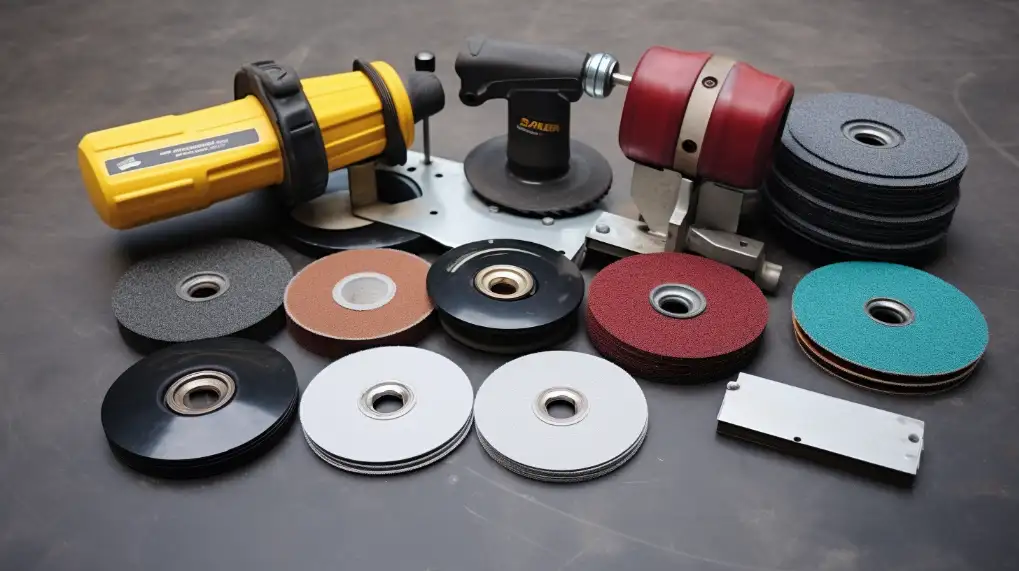
Większość satynowych wykończeń jest tworzona metodami mechanicznymi. Typowe opcje obejmują taśmy ścierne, ściernice listkowe, narzędzia szczotkowe, ściernice włókninowe i ręczne pady wykończeniowe. Właściwy wybór zależy od kształtu części, materiału i tego, jak spójne musi być wykończenie na całej części lub partii.
Szerokie płaskie części często lepiej nadają się do wykańczania taśmowego, ponieważ zapewnia ono prostsze i bardziej powtarzalne ziarno. Mniejsze części, zakrzywione obszary, narożniki lub zespoły spawane często wymagają narzędzi ręcznych lub elastycznych systemów ściernych. W wielu warsztatach główne powierzchnie są wykańczane maszynowo, podczas gdy lokalne obszary są mieszane ręcznie.
Narzędzie do wykańczania nie tylko lekko zaznacza powierzchnię. Wpływa na wielkość ziarna, kierunek linii, poziom połysku i spójność wizualną. Zużyty materiał ścierny może zmienić wygląd. Zbyt duży nacisk może spowodować powstanie nierównej tekstury. Słaba kontrola narzędzia może pozostawić ślady zatrzymania, ślady nakładania się lub widoczne zmiany kierunku.
Dlatego jakość wykończenia satynowego zależy w dużej mierze od kontroli procesu. Nie wystarczy powiedzieć, że część została wyszczotkowana lub wykończona taśmą. Stan ścierniwa, ruch, nacisk, kierunek i obsługa mają wpływ na wynik.
Dlaczego satynowe wykończenie może wyglądać inaczej w zależności od części?
Nawet jeśli określono to samo wykończenie, ostateczny wygląd może się różnić w zależności od części. W większości przypadków różnica wynika ze stanu materiału, geometrii części i sposobu obróbki powierzchni przed i podczas wykańczania.
Jak warunki materiałowe i powierzchniowe wpływają na wynik?
Stan materiału ma bezpośredni wpływ na wygląd satynowego wykończenia. Nawet w przypadku tego samego rodzaju metalu, różnice w powierzchni blachy, kierunku ziarna, twardości lub wcześniejszej obróbce mogą zmienić ostateczny wygląd.
W praktyce najbardziej widoczne problemy wynikają zazwyczaj z nierównych warunków początkowych. Jeden obszar może zawierać głębsze rysy, miejscowe szlifowanie, resztki tlenku lub lekkie pofalowanie powierzchni, podczas gdy inny obszar jest czystszy i bardziej jednolity. Po wykończeniu obszary te mogą nadal inaczej odbijać światło, nawet jeśli ten sam proces został zastosowany na całej części.
Staje się to bardziej oczywiste na szerokich, widocznych powierzchniach. Niewielkie zmiany w ziarnie, współczynniku odbicia lub miejscowym wtapianiu są łatwiejsze do zauważenia, gdy powierzchnia jest duża, płaska i wystawiona na działanie światła. Wykończenie, które wygląda akceptowalnie na małej części, może wyglądać niespójnie na dużym panelu tylko dlatego, że oko ma większy obszar do porównania.
Dlaczego spawy, krawędzie i duże widoczne powierzchnie są trudniejsze do dopasowania?
Obszary spoin są często najtrudniejszymi miejscami do dobrego wykończenia. Nawet po wygładzeniu spoiny obszar wokół niej może nadal różnić się od metalu podstawowego pod względem tekstury, odbicia lub lokalnej płaskości. Po satynowym wykończeniu różnica ta może pozostać widoczna zamiast całkowicie się wtopić.
Krawędzie i narożniki również wymagają większej kontroli. Łatwiej jest je nadmiernie wykończyć, zaokrąglić lub nierównomiernie oznaczyć podczas pracy ręcznej. Niespójny nacisk w pobliżu krawędzi może szybko zmienić ziarno i sprawić, że wykończenie będzie wyglądać nierówno.
Duże widoczne twarze stwarzają inny problem. Dają one oku większy obszar do porównania, więc znaki stopu, znaki nakładania się i lokalne zmiany kierunku są łatwiejsze do zauważenia. Wykończenie, które wygląda akceptowalnie na małym wsporniku, może wyglądać niespójnie na dużej pokrywie lub panelu przednim.
Które metale działają najlepiej?
Satynowe wykończenie można zastosować do wielu metali, ale nie wszystkie materiały są równie łatwe do dobrego wykończenia. Niektóre z nich są łatwiejsze do wizualnego wyrównania, podczas gdy inne znacznie szybciej wykazują lokalne zmiany ciśnienia, ślady wtapiania lub różnice w powierzchni.
Dlaczego stal nierdzewna jest najczęstszym wyborem?
Stal nierdzewna jest jednym z najpopularniejszych materiałów do satynowania, ponieważ zapewnia dobrą równowagę między wyglądem, trwałością i kontrolą wykończenia. Jest szeroko stosowana na panelach urządzeń, obudowach, elementach wykończeniowych i pokrywach, gdzie powierzchnia pozostaje widoczna podczas użytkowania.
Dobrze reaguje również na kontrolowane ścieranie. Przy odpowiednim przygotowaniu i metodzie wykańczania, stal nierdzewna może wytwarzać czyste, równomierne ziarno, które jest zwykle łatwiejsze do utrzymania na dużych widocznych częściach niż wiele bardziej miękkich metali dekoracyjnych. Jest to jeden z powodów, dla których satynowana stal nierdzewna jest tak powszechna w produktach komercyjnych, przemysłowych i architektonicznych.
Mimo to stal nierdzewna nie jest automatyczna. Wtapianie spawów, ślady obsługi, stan blachy i miejscowe naprawy mogą nadal być widoczne po wykończeniu. W przypadku części o wysokiej widoczności stal nierdzewna jest często łatwiejsza do kontrolowania niż bardziej miękkie metale, ale nadal zależy to od tego, jak dobrze powierzchnia jest przygotowana przed ostatecznym wykończeniem.
Co się zmienia, gdy część jest wykonana z aluminium, mosiądzu lub miedzi?
Aluminium może być również satynowane, ale zwykle wymaga większej staranności. Jest bardziej miękkie niż stal nierdzewna, więc łatwiej zbiera ślady obróbki i lokalne zmiany ciśnienia. Wybór materiału ściernego, nacisk narzędzia i przygotowanie powierzchni mogą zmienić ostateczny wygląd szybciej, niż wielu kupujących się spodziewa.
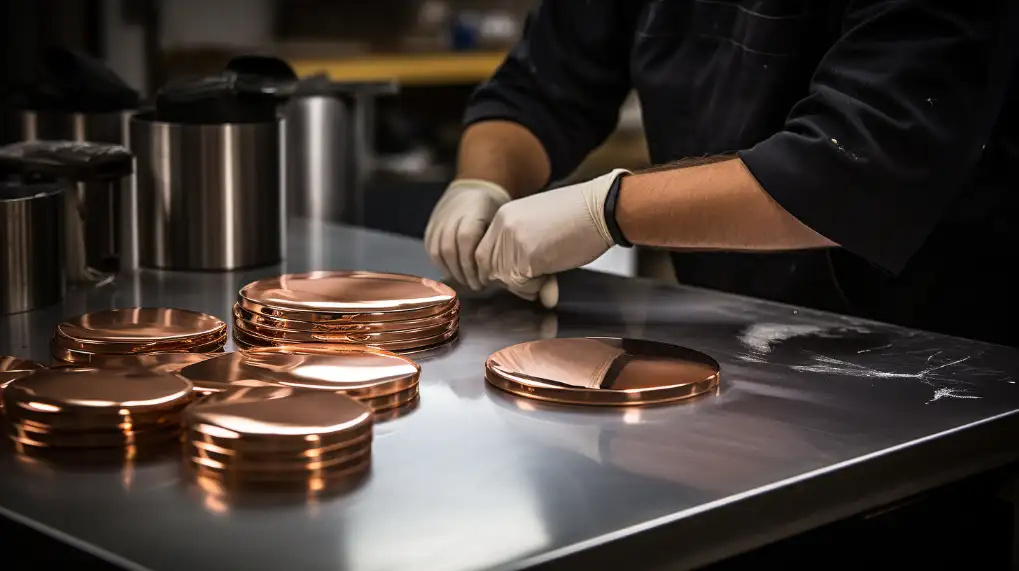
Mosiądz i miedź stanowią inne wyzwanie. Są one często wybierane ze względów dekoracyjnych, więc drobne zadrapania, lokalne różnice w mieszaniu i zmiany kierunku wykończenia szybciej rzucają się w oczy. Materiały te mogą nadal tworzyć atrakcyjne satynowe wykończenia, ale zwykle pozostawiają mniej miejsca na korektę, gdy wygląd staje się priorytetem.
Gdy liczy się wygląd wykończenia, metale dekoracyjne są często mniej wyrozumiałe niż części nierdzewne. Dlatego zatwierdzenie próbki jest zwykle najbezpieczniejszym sposobem na zablokowanie oczekiwań przed rozpoczęciem produkcji.

Co pokazać na rysunku?
Satynowe wykończenie jest trudne do dopasowania, jeśli rysunek zawiera tylko krótką notatkę. Jeśli wygląd ma znaczenie, rysunek powinien pokazywać, jak ma wyglądać wykończona powierzchnia, a nie tylko podawać nazwę wykończenia.
Rysunek powinien co najmniej określać, która strona jest widoczna, czy ziarno powinno przebiegać w jednym kierunku, czy wydawać się bezkierunkowe, oraz czy wykończenie dotyczy całej części, czy tylko wybranych powierzchni. Jeśli niektóre obszary, takie jak strefy spawania, zagięcia, krawędzie lub ukryte powierzchnie, mogą być mniej krytyczne, należy to wyraźnie zaznaczyć.
Jeśli część jest wrażliwa na wygląd, pomocne jest również zdefiniowanie standardu wizualnego. Może to obejmować zatwierdzoną próbkę, zdjęcie referencyjne lub notatkę opisującą, co jest niedopuszczalne, takie jak ciężkie linie zadrapań, niespójne ziarno lub oczywiste ślady mieszania. Krótka notatka dotycząca wykończenia może być wystarczająca w przypadku części użytkowych, ale rzadko jest wystarczająca w przypadku części widocznych.
Dlaczego samo "satynowe wykończenie" jest zwykle zbyt niejasne?
Termin ten brzmi jasno, ale w produkcji pozostawia zbyt wiele miejsca na interpretację. Jeden dostawca może wyobrazić sobie delikatne, kierunkowe ziarno. Inny może wyobrazić sobie bardziej miękki, bezkierunkowy wygląd. Trzeci może zakładać, że akceptowalne jest standardowe szczotkowane wykończenie.
Ten rodzaj zmienności może nie mieć znaczenia w przypadku ukrytych części. Ale na widocznych panelach, elementach dekoracyjnych lub produktach skierowanych do klienta, może szybko stać się problemem. Wykończenie może spełniać wymagania, ale nadal nie spełniać oczekiwań wizualnych.
Jeśli wykończenie ma znaczenie dla wyglądu, rysunek powinien zwykle wykraczać poza słowa "satynowe wykończenie". Powinien informować dostawcę o tym, jaka powierzchnia ma znaczenie, jaki wzór ziarna jest oczekiwany i jakiego rodzaju wariacje będą lub nie będą akceptowane.
Co kupujący i inżynierowie powinni potwierdzić przed rozpoczęciem produkcji?
Przed rozpoczęciem produkcji kupujący i inżynierowie powinni potwierdzić coś więcej niż tylko nazwę wykończenia. Powinni potwierdzić, które powierzchnie są widoczne, jaki kierunek ziarna jest oczekiwany, w jaki sposób obszary spawania będą mieszane i czy krawędzie i strefy formowane wymagają takiej samej jakości wykończenia jak główna powierzchnia.
Powinni również potwierdzić, w jaki sposób wykończenie będzie oceniane. Na przykład, czy część będzie sprawdzana z bliska, czy z normalnej odległości? Czy dopuszczalne jest lekkie kierunkowe ziarno, czy też powierzchnia musi wyglądać bardziej jednolicie? Czy lokalny ślad naprawy zostanie zaakceptowany, jeśli znajduje się na ukrytej powierzchni, ale odrzucony, jeśli znajduje się na panelu przednim?
W przypadku bardziej widocznych części, zatwierdzona próbka jest często bardziej wiarygodna niż samo sformułowanie. Daje to obu stronom wyraźny cel wizualny i pomaga zablokować wykończenie przed rozpoczęciem produkcji seryjnej.
Kiedy satynowe wykończenie jest właściwym wyborem?
Satynowe wykończenie jest praktycznym wyborem, gdy część wymaga czystej metalowej powierzchni bez jasności polerowanego wykończenia. Sprawdza się dobrze, gdy trzeba ograniczyć odblaski, gdy ślady światła powinny być mniej widoczne podczas normalnego użytkowania oraz gdy widoczna powierzchnia musi wyglądać na kontrolowaną, ale nie lustrzaną.
Gdzie działa dobrze na prawdziwych produktach?
Satynowe wykończenie dobrze sprawdza się na pokrywach, panelach, obudowach, uchwytach, elementach wykończeniowych i innych widocznych częściach metalowych używanych w sprzęcie takim jak maszyny pakującegdzie ważna jest zarówno czysta powierzchnia, jak i mniejsze odblaski. Jest często wybierany, gdy część musi wyglądać na czystą i kontrolowaną bez silnego odbicia polerowanego wykończenia.
Jest to szczególnie przydatne w przypadku produktów używanych w oświetleniu wewnętrznym, w sprzęcie publicznym lub na dużych widocznych powierzchniach, gdzie odblaski, odciski palców i lekkie zadrapania szybko wyróżniałyby się na jaśniejszym wykończeniu. W takich przypadkach satynowe wykończenie zazwyczaj daje powierzchnię, która jest łatwiejsza do wizualnego zatwierdzenia i mniej rozpraszająca w codziennym użytkowaniu.
W przypadku wielu produktów przemysłowych i komercyjnych, satynowe wykończenie jest praktycznym wyborem, ponieważ zmniejsza wizualny hałas, nie sprawiając, że część wygląda na niedokończoną. Zapewnia również większą tolerancję w codziennym użytkowaniu niż jasna polerowana powierzchnia, na której zwykle szybciej pojawiają się ślady.
Kiedy inne wykończenie jest lepszą opcją?
Satynowe wykończenie może nie być najlepszym wyborem, gdy część ma bardzo złożoną geometrię, duże wtopienie spoiny lub dużą widoczną powierzchnię, która wymaga niemal idealnej spójności. W takich przypadkach wykończenie nadal można wykonać, ale ryzyko widocznych różnic jest wyższe, ponieważ oko ma większą powierzchnię do porównania.
Może to być również niewłaściwy wybór, gdy produkt wymaga jaśniejszej powierzchni dekoracyjnej lub gdy inne wykończenie jest łatwiejsze do standaryzacji w całej partii. W niektórych projektach piaskowanie, powlekanie lub inne wykończenie o niższej wariancji może być łatwiejsze w zarządzaniu, gdy powtarzalność wyglądu ma większe znaczenie niż odsłonięta tekstura metalu.
Kluczem jest dopasowanie wykończenia do części, a nie tylko do notatki rysunkowej. Satynowe wykończenie sprawdza się najlepiej, gdy oczekiwane właściwości powierzchni, stan materiału i metoda produkcji zapewniają ten sam rezultat.
Wnioski
Satynowe wykończenie jest często opisywane jako prosta powierzchnia o niskim połysku, ale w rzeczywistej produkcji nie jest to jeden standardowy wynik. Ostateczny wygląd jest kształtowany przez powierzchnię początkową, materiał, metodę wykańczania i to, jak konsekwentnie proces jest kontrolowany w całej części.
Większość problemów z satynowym wykończeniem nie wynika z ostatniego kroku. Zwykle wynikają one z nierównego przygotowania powierzchni, niejasnych notatek rysunkowych lub różnych założeń dotyczących ziarna, połysku i widocznej jakości. Gdy te różnice zostaną wbudowane w proces, trudno je usunąć na etapie wykańczania.
Jeśli pozyskujesz część z widocznymi powierzchniami metalowymi, nie czekaj do momentu produkcji, aby jasno określić wykończenie. Satynowe wykończenie może różnić się bardziej, niż oczekuje tego wielu kupujących, szczególnie w przypadku dużych widocznych powierzchni, obszarów spawanych lub części dekoracyjnych.
Jeśli masz już rysunek, próbkę lub odniesienie do produktu, wyślij go do nas. Możemy przeanalizować wymagania dotyczące wykończenia wraz z materiałem, geometrią i widocznymi obszarami części, aby oczekiwania dotyczące powierzchni były jaśniejsze przed wyceną i rozpoczęciem produkcji.
Hej, jestem Kevin Lee

Przez ostatnie 10 lat byłem zanurzony w różnych formach produkcji blach, dzieląc się tutaj fajnymi spostrzeżeniami z moich doświadczeń w różnych warsztatach.
Skontaktuj się z nami
Kevin Lee
Mam ponad dziesięcioletnie doświadczenie zawodowe w produkcji blach, specjalizując się w cięciu laserowym, gięciu, spawaniu i technikach obróbki powierzchni. Jako dyrektor techniczny w Shengen, jestem zaangażowany w rozwiązywanie złożonych wyzwań produkcyjnych i napędzanie innowacji i jakości w każdym projekcie.
Powiązane zasoby
Odciążenia przy gięciu blach: wymiary, kształty i zasady projektowania pod kątem produkcji (DFM)
Teksturowanie laserowe metali: przygotowanie, projektowanie pod kątem produkcji (DFM) i kontrola kosztów
Stal ocynkowana elektrolitycznie: Przewodnik po obróbce i doborze