
Dlaczego jakość RFQ decyduje o sukcesie projektu?
Zapytanie ofertowe (RFQ) to coś więcej niż formularz cenowy - to podstawa sukcesu produkcyjnego. Dobrze skonstruowane zapytanie ofertowe skutecznie komunikuje intencje techniczne, zapewnia uczciwą wycenę i pomaga utrzymać projekt zgodnie z harmonogramem. Z kolei niejasne zapytania ofertowe prowadzą do opóźnień, ponownych wycen i wyższych kosztów.
Według badania sourcingu produkcji z 2023 roku, ponad 60% dostawców doświadcza opóźnień w wycenach z powodu brakujących danych technicznych. Każda brakująca tolerancja lub nieokreślony materiał może wydłużyć czas odpowiedzi o kilka dni. Opóźnienie to często przekłada się na niedotrzymanie terminów i wzrost kosztów.
Solidne zapytanie ofertowe to nie tylko papierkowa robota - to sygnał profesjonalizmu i precyzji. Pokazuje, że rozumiesz proces dostawcy i szanujesz jego czas. W zamian otrzymujesz szybsze, bardziej wiarygodne wyceny i płynniejszy proces produkcji w przyszłości.

Związek między dokładnością RFQ a efektywnością kosztową
Dokładność ma bezpośredni wpływ na koszty. Gdy zapytanie ofertowe jasno określa materiały, tolerancje i wykończenia, dostawca może zaplanować najbardziej efektywną drogę produkcji. Na przykład określenie "Aluminium 5052-H32, grubość 2,0 mm" natychmiast informuje producenta, jakiego narzędzia, mocy cięcia i ustawień gięcia należy użyć.
Niekompletne lub niejasne dane zmuszają dostawców do zgadywania. Każda runda wyjaśniająca pochłania czas i zwiększa ryzyko niedostosowania kosztów. Nawet drobne szczegóły mają znaczenie - brakujący typ otworu lub nieprawidłowa uwaga dotycząca powierzchni może wymagać nowej konfiguracji, dodając godziny przeróbek.
Pomyśl o przejrzystości RFQ jako o sposobie kontroli kosztów. Każdy wymiar i wykończenie zdefiniowane na wczesnym etapie zmniejsza potencjalne późniejsze poprawki. Gdy zarówno kupujący, jak i dostawca dzielą się tymi samymi danymi od samego początku, produkcja staje się przewidywalna, a ukryte koszty zostają wyeliminowane.
Najczęstsze problemy powodowane przez niekompletne lub niejasne zapytania ofertowe
Niekompletne zapytanie ofertowe często wywołuje reakcję łańcuchową w różnych działach, w tym inżynierii, jakości i logistyki. Dostawca interpretuje brakujące dane, produkcja przebiega zgodnie z założeniami, a późniejsza kontrola ujawnia niedopasowane tolerancje lub wykończenia.
Typowe pułapki obejmują:
- Niejasne lub sprzeczne wymiary między rysunkami 2D i 3D
- Brakujące informacje o gwintach, pogłębieniach lub rozmiarach otworów
- Pominięta obróbka powierzchni
- Nieokreślona klasa materiału ("tylko stal nierdzewna")
- Nie określono czasu realizacji ani ilości partii
Każda z tych luk prowadzi do przeróbek, opóźnień lub niedokładnych wycen. W jednym z badań dostawców, 40% zapytań ofertowych z niekompletnymi rysunkami wymagało co najmniej jednego cyklu rewizji przed wydaniem wyceny. Kompleksowe zapytanie ofertowe eliminuje te straty i buduje zaufanie od pierwszej interakcji.
Dlaczego projekty blacharskie wymagają dodatkowych szczegółów technicznych?
Produkcja blach obejmuje wiele współzależnych operacji - cięcie, gięcie, spawanie i wykańczanie powierzchni. Niewielkie niedopatrzenie na etapie projektowania może mieć wpływ na każdy kolejny proces.
Na przykład pominięcie kierunku gięcia lub orientacji ziarna może prowadzić do deformacji części lub niewspółosiowości podczas montażu. Podobnie, brak promienia lub rozmiaru płaskiego wzoru prowadzi do nieprawidłowych naddatków na gięcie.
W przeciwieństwie do obróbki skrawaniem, blacha zależy od elastyczności materiału i zachowania podczas formowania. Każdy kąt gięcia, wycięcie i kołnierz mają wpływ na ostateczne wymiary. Dlatego zapytanie ofertowe powinno zawierać nie tylko geometrię części, ale także kontekst, taki jak powierzchnie kosmetyczne, potrzeby ochrony krawędzi lub zamierzoną funkcję montażu.
Zapewnienie tego poziomu przejrzystości zmniejsza liczbę prób i błędów i gwarantuje, że to, co otrzymasz, będzie zgodne z Twoim zamiarem projektowym.
Podstawowe elementy, które powinno zawierać każde zapytanie ofertowe dotyczące blachy
Po zrozumieniu, dlaczego jasność ma znaczenie, następnym krokiem jest wiedza, jakie informacje sprawiają, że zapytanie ofertowe jest kompletne i wyczerpujące. Solidne zapytanie ofertowe odpowiada na pytania "co", "jak" i "kiedy" - jakiej części potrzebujesz, jak powinna być wykonana i kiedy jest wymagana.
Rysunki techniczne i modele CAD
Rysunki i modele CAD są podstawą każdego zapytania ofertowego. Rysunek 2D powinien zawierać pełne wymiary, linie gięcia i tolerancje, podczas gdy model 3D (w formacie STEP, IGES lub SolidWorks) zapewnia pełne odniesienie przestrzenne.
Aby zapobiec błędnej interpretacji, zawsze należy dołączyć:
- Wymiary ogólne i krytyczne
- Szczegóły otworów, gwinty i pogłębienia
- Adnotacje GD&T dla elementów precyzyjnych
- Data wersji lub kontrola wersji
Nawet niewielka niezgodność między plikami CAD i rysunkami może spowodować opóźnienia w wycenie. Stosuj spójne konwencje nazewnictwa, takie jak "Panel_A_5052_2mm_v4" i potwierdź zgodność wersji 3D i 2D przed ich przesłaniem.
Wskazówka: Dostarczenie plików 2D i 3D może skrócić przygotowanie wyceny nawet o 30%, ponieważ dostawcy mogą bezpośrednio wyodrębnić geometrię do programowania laserowego.
Specyfikacja materiału i grubości
Materiał określa wytrzymałość, odkształcalność i koszt. Zawsze podawaj dokładny gatunek materiału i tolerancję grubości. "Stal miękka" to za mało - napisz "Stal walcowana na zimno SPCC, 1,5 mm ± 0,05 mm".
Jeśli dopuszczalne są materiały alternatywne, należy je wyraźnie wskazać. Na przykład zezwolenie na "aluminium 5052 lub 6061" daje dostawcom elastyczność w zaopatrzeniu i może skutkować obniżeniem kosztów.
Należy również odnieść się do odpowiednich norm (ASTM, EN lub JIS). Pozwala to uniknąć pomyłek między podobnymi gatunkami w różnych regionach i zapewnia spójną jakość w globalnym zaopatrzeniu.
Precyzyjne wywołanie materiału umożliwia dostawcom natychmiastowe sprawdzenie dostępności zapasów, wydajności nestingu i parametrów cięcia - wszystko to ma wpływ zarówno na cenę, jak i czas realizacji.
Wymagania dotyczące procesu produkcyjnego
Wymień wszystkie procesy potrzebne do wykonania części i, jeśli to konieczne, ich preferowaną kolejność. Typowy proces obróbki blachy może obejmować:
- Cięcie laserowe Lub uderzanie
- Gratowanie i wykańczanie krawędzi
- Gięcie lub formowanie
- Spawalniczynitowanie lub mocowanie
- Wykończenie i kontrola powierzchni
Jeśli określone kroki wymagają uwagi (na przykład "maskowanie przed powlekaniem" lub "polerowanie spoin spawalniczych na widocznych powierzchniach"), należy odnotować je bezpośrednio na rysunku.
Nie musisz dyktować całego procesu, ale jasne oczekiwania pomagają dostawcom efektywnie planować oprzyrządowanie i kolejność.
⚙️ Przykład: Wzmianka o "ziarnistym wykończeniu w kierunku poziomym" lub "połączeniach spawanych szlifowanych równo" zapewnia spójność wizualną i zapobiega przeróbkom.
Wykończenie powierzchni i szczegóły powłoki
Wykończenie powierzchni wpływa zarówno na wygląd, jak i funkcjonalność. W przypadku wielu części blaszanych, takich jak obudowy lub panele sterowania, jakość kosmetyczna jest kluczowym wymogiem.
Określ:
- Rodzaj powłoki (proszkowa, anodowa, galwaniczna)
- Kolor lub poziom połysku (kod RAL lub Pantone)
- Tekstura wykończenia (szczotkowana, matowa, polerowana)
- Grubość powłoki lub standard (np. cynk ASTM B633 typu II)
Jeśli tylko niektóre obszary wymagają wykończenia, oznacz je jako "powierzchnie kosmetyczne". Niewidoczne boki mogą pozostać nieobrobione, aby obniżyć koszty.
Pamiętaj: brak szczegółu wykończenia może spowodować wzrost ceny 10-25%, ponieważ dostawcy muszą domyślnie przyjąć wykończenie o najwyższym koszcie.
Ilość i czas realizacji
Ilość bezpośrednio wpływa na metodę produkcji, podczas gdy czas realizacji wpływa na harmonogram. Zawsze podawaj:
- Prototyp lub ilość produkcyjna
- Przewidywany roczny wolumen (jeśli jest znany)
- Wymagana data lub ramy czasowe dostawy
Jeśli zapotrzebowanie może się powtarzać, należy o tym wspomnieć. Wielu dostawców oferuje obniżki cen dla powtarzających się zamówień lub większych ilości.
Zapewnienie realistycznego czasu realizacji pomaga fabryce przydzielić zasoby i uniknąć opłat za pośpiech. Na przykład, 5-dniowy czas realizacji dla malowanego proszkowo zespołu może być nierealistyczny ze względu na czas wymagany do utwardzenia i kontroli jakości. Dzielenie się harmonogramem projektu pozwala obu stronom na efektywne planowanie.
Szybka lista kontrolna gotowości RFQ
Przed wysłaniem zapytania ofertowego należy potwierdzić te istotne kwestie:
- Zaktualizowane pliki 2D i 3D z dopasowanymi wersjami
- Klasa materiału, grubość i określone normy
- Określone wykończenie powierzchni i powłoka
- Ilość i harmonogram dostaw
- Wyraźnie podane dane kontaktowe i komunikacyjne
Wykonanie tych pięciu kroków może zredukować liczbę wiadomości e-mail przesyłanych w obie strony nawet o 40%, przyspieszając cały proces wyceny.

Informacje, które przyspieszają cytowanie i ograniczają nieporozumienia
Nawet z kompletnymi rysunkami i danymi materiałowymi, wiele zapytań ofertowych nadal napotyka na opóźnienia w wycenach. Dlaczego? Ponieważ brakuje im kontekstu.
Dostawcy nie potrafią czytać w myślach - muszą rozumieć, w jaki sposób dana część będzie funkcjonować, jak będzie kontrolowana i jaka wydajność ma największe znaczenie. Zapewnienie tego kontekstu zmienia zapytanie ofertowe z "prośby o rysunek" we wspólną rozmowę projektową.
Rysunki montażowe lub kontekst użytkowania końcowego
Twoja część nie istnieje w izolacji. Łączy się, pasuje lub wspiera coś innego - i ta relacja ma znaczenie.
Udostępnianie rysunków montażowych lub przynajmniej prostego widoku rozłożonego na części pomaga dostawcom zwizualizować położenie i orientację części. Na przykład, jeśli wycięty laserowo wspornik obsługuje płytkę drukowaną lub radiator, producent może zweryfikować odstępy między szczelinami, obszary uziemienia lub potencjalne narażenie na ciepło.
Ten wgląd często prowadzi do mądrzejszych decyzji produkcyjnych. Dostawca, który obserwuje sposób montażu wspornika, może zasugerować dostosowanie kołnierza w celu zwiększenia sztywności lub modyfikację kształtu szczeliny w celu ułatwienia montażu.
Rzeczywiste dane wskazują, że nawet 35% opóźnień produkcyjnych w niestandardowych projektach metalowych można przypisać brakującemu kontekstowi na etapie zapytania ofertowego. Gdy dostawca rozumie szerszy obraz, może prawidłowo zaprojektować oprzyrządowanie i przyrządy za pierwszym razem - a nie po wprowadzeniu poprawek.
💡 Wskazówka: Jeśli rysunek zespołu jest poufny, nawet uproszczony obraz referencyjny lub szkic z adnotacjami może zapewnić przydatny kontekst bez ujawniania poufnych informacji.
Wymagania dotyczące wydajności i jakości
Każda część ma swoje przeznaczenie - a oczekiwania jakościowe są różne. Pokrywa kosmetyczna i precyzyjne podwozie wymagają różnych standardów kontroli. Wczesne zdefiniowanie jakości zapobiega kosztownym rozbieżnościom między oczekiwaniami a procesem dostawcy.
Wymień wszelkie wymagania funkcjonalne lub testowe, takie jak
- Tolerancje wymiarowe lub cechy krytyczne
- Wymagania dotyczące wytrzymałości mechanicznej lub obciążenia
- Strefy wyglądu powierzchni (widoczne i ukryte)
- Potrzeby związane z korozją lub ochroną środowiska
- Rodzaje kontroli (FAI, CMM, mgła solna itp.)
Na przykład stwierdzenie "kontrola CMM dla 5 krytycznych otworów ±0,05 mm" pomaga dostawcy przydzielić czas kontroli i wybrać odpowiednie narzędzia pomiarowe.
Wyjaśnij również swój standard akceptacji - na przykład ISO 2768-mK dla ogólnych tolerancji lub kontroli z certyfikatem ISO 9001. Badanie produkcyjne przeprowadzone w 2024 r. wykazało, że części o jasno określonych kryteriach jakości zostały zatwierdzone 50% szybciej niż te, które wymagały wyjaśnienia poprodukcyjnego.
⚙️ Przykład: Obudowa zaprojektowana do użytku na zewnątrz powinna uwzględniać normy dotyczące powłok, takie jak ASTM B117, odporność na rozpryski soli, zapewniając, że dostawca wybierze odpowiednie systemy powlekania lub malowania.
Docelowy budżet lub ograniczenia kosztów
Wspomnienie o budżecie w zapytaniu ofertowym może wydawać się sprzeczne z intuicją, ale przejrzystość pomaga obu stronom.
Jeśli docelowa cena jest znana, dostawcy mogą zasugerować praktyczne alternatywy - być może prostszą konstrukcję gięcia lub zastąpienie stali nierdzewnej 304 stalą nierdzewną 201 w przypadku części niekonstrukcyjnych.
Na przykład, jeden z nabywców obniżył koszty produkcji o 22% po prostu przechodząc z cięcia laserowego na wykrawanie rewolwerowe po omówieniu swojego zakresu budżetowego.
Zdefiniowanie okna kosztowego zachęca do współpracy zamiast składania ofert w ciemno. Zmienia to dostawcę w osobę rozwiązującą problemy, która pomaga w osiągnięciu zarówno celów wydajnościowych, jak i budżetowych.
💬 Wskazówka: Używaj sformułowań takich jak "koszt docelowy: $20-25 za jednostkę, otwarty na sugestie DFM". Sygnalizuje to elastyczność przy zachowaniu realistycznych oczekiwań.
Formatowanie i struktura profesjonalnego pakietu RFQ
Uporządkowane zapytanie ofertowe to oszczędność czasu dla wszystkich. Gdy dostawcy otrzymują czyste, spójne pliki, mogą skupić się na wycenie, zamiast sortować pliki lub odpowiadać na e-maile z wyjaśnieniami. Pomyśl o formatowaniu jako o profesjonalnej uprzejmości, która sygnalizuje niezawodność i wydajność.
Jak organizować dokumenty techniczne?
Zgrupuj wszystkie pliki w uporządkowanym folderze. Unikaj wysyłania losowych załączników lub zrzutów ekranu - mogą one spowolnić przetwarzanie plików i zwiększyć ryzyko pomylenia wersji.
Oto prosty układ folderu używany przez doświadczonych kupujących:
01_Drawings/ → 2D PDF, DWG, DXF
02_3D_Models/ → STEP, IGES lub SolidWorks
03_Specs/ → Materiały, wykończenia, tolerancje
04_BOM/ → Opcjonalnie, dla zespołów
05_References/ → Zdjęcia lub szkice przedstawiające funkcję
Spójne konwencje nazewnictwa ułatwiają życie wszystkim.
Używaj opisowych nazw plików, takich jak:
"Bracket_A_5052_2mm_V4_2025.pdf" zamiast "final_drawing_latest(3).pdf".
W raporcie dotyczącym przepływu pracy w branży z 2023 r. stwierdzono, że znormalizowane nazewnictwo plików skróciło czas wyceny średnio o 25%, ponieważ inżynierowie mogli natychmiast zlokalizować odpowiednie modele.
🔍 Pro Tip: Dołącz krótki plik "readme" lub "arkusz podsumowujący" w formacie PDF z listą wszystkich dołączonych plików i kluczowych szczegółów. Dzięki temu żadne informacje nie zostaną pominięte.
Standardowe szablony ofert
Porównywanie ofert dostawców może być frustrujące, gdy każdy z nich używa innego formatu. Standaryzowany arkusz ofertowy eliminuje zgadywanie.
Zachęcaj dostawców do dzielenia swoich ofert według:
- Materiał i grubość
- Proces produkcji (cięcie, gięcie, spawanie)
- Wykończenie powierzchni lub powlekanie
- Pakowanie i logistyka
- Czas realizacji i warunki płatności
Gdy każda wycena ma taką samą strukturę, można porównać całkowity koszt i koszt procesu obok siebie - natychmiast identyfikując, który etap powoduje różnice w cenie.
Ta przejrzystość nie tylko upraszcza podejmowanie decyzji, ale także wzmacnia siłę negocjacyjną. W jednym studium przypadku dotyczącym zamówień, firmy korzystające ze standardowych szablonów wycen zaoszczędziły średnio 12% na projekt, ponieważ mogły zidentyfikować i omówić odchylenia cenowe oparte na procesach.
Jeśli Twój zespół często wystawia zapytania ofertowe, stwórz formularz wielokrotnego użytku z rozwijanymi listami dla typu procesu i zakończenia. Oszczędza to czas i sprawia, że wyglądasz na profesjonalnego i zorganizowanego.
Szczegóły dotyczące kontaktu i komunikacji
Wiele opóźnień w notowaniach wynika z jednej, fundamentalnej kwestii - niejasnej komunikacji.
Dostawcy często wahają się przed podjęciem dalszych kroków, gdy nie mają pewności, z kim skontaktować się w celu uzyskania wyjaśnień.
Zawsze dołączaj:
- Imię i nazwisko oraz tytuł głównej osoby kontaktowej
- Adres e-mail i numer telefonu
- Strefa czasowa i godziny pracy
- Preferowany kanał komunikacji (e-mail, Teams lub Zoom)
Jeśli Twoja firma ma oddzielne kontakty techniczne i zakupowe, wyjaśnij ich role.
Na przykład:
"Techniczne: Alex - Inżynieria (dla rysunków i pytań o tolerancję)".
"Handlowy: John - Zamówienia (ceny i czas realizacji)"
Taka organizacja nie tylko zapobiega nieporozumieniom, ale także buduje zaufanie dostawców, że projekt jest zarządzany profesjonalnie.
💡 Wskazówka: Dostawcy, którzy otrzymują kompletne zapytania ofertowe z jasnymi danymi kontaktowymi, zazwyczaj zwracają oferty 20-30% szybciej niż ci, którzy wymagają wyjaśnień.

Najczęstsze błędy, których należy unikać w zapytaniach ofertowych dotyczących blachy
Nawet doświadczone zespoły czasami przeoczają proste szczegóły, które spowalniają proces. Oto najczęstsze pułapki - i jak im zapobiegać.
Brakujące lub sprzeczne wymiary
Zawsze sprawdzaj rysunki i modele CAD pod kątem wyrównania. Jeśli model 3D pokazuje szczelinę 2,5 mm, a rysunek 2D mówi o 3,0 mm, dostawca musi wstrzymać się i potwierdzić. Taka wymiana zdań może wydłużyć proces wyceny o kilka dni.
Przed przesłaniem zweryfikuj zgodność wszystkich kluczowych wymiarów w plikach.
Pominięcie szczegółów wykończenia powierzchni lub powłoki
Bez instrukcji dotyczących wykończenia, dostawcy domyślnie zakładają surowy metal. Jeśli później określisz malowanie proszkowe lub anodowanie, zarówno koszt, jak i czas realizacji nieoczekiwanie wzrosną. Zawsze na początku należy określić rodzaj wykończenia, kolor i obszar powierzchni.
Niepotrzebnie wąskie tolerancje
Nie każdy wymiar wymaga dokładności ±0,05 mm. Nadmierna tolerancja zwiększa koszty, wymagając wolniejszych prędkości gięcia lub dodatkowych kontroli jakości. Zachowaj wąskie tolerancje dla powierzchni współpracujących lub funkcjonalnych i użyj standardowych zakresów w innych miejscach.
Ignorowanie wymogów dotyczących pakowania i wysyłki
Jakość powierzchni może zostać zrujnowana po wyprodukowaniu, jeśli opakowanie nie zostanie zdefiniowane. Należy określić, w jaki sposób części powinny być pakowane - na przykład: "Każda część owinięta w piankę, ułożona w stos z plastikowymi separatorami".
Dodanie krótkiego wiersza o opakowaniu może zaoszczędzić tysiące na późniejszych przeróbkach i odrzuceniach.
Brak prośby o informację zwrotną DFM
Zapytanie ofertowe to także szansa na współpracę inżynierską. Zaproś dostawców do dostarczenia Projektowanie pod kątem produktywności (DFM) informacje zwrotne przed rozpoczęciem produkcji. Mogą oni zalecić bardziej wydajne reliefy gięcia, mniejszą liczbę spawów lub inteligentniejsze układy materiałów - ulepszenia, które mogą obniżyć całkowity koszt o 10-15%.
Wnioski
Dobrze przygotowane zapytanie ofertowe to coś więcej niż tylko wygenerowanie ceny - to budowanie porozumienia. Gdy dokumenty są kompletne, uporządkowane i technicznie poprawne, tworzysz wspólny język między projektowaniem, zakupami i produkcją. Taka przejrzystość skraca czas realizacji, poprawia dokładność i obniża koszty całego projektu.
Jeśli chcesz, aby Twoje następne zapytanie ofertowe przyniosło szybsze i bardziej precyzyjne wyniki, nasz zespół inżynierów może Ci pomóc. Specjalizujemy się w sprawdzaniu projektów blach pod kątem możliwości produkcji - od prototypu po produkcję masową - zapewniając, że każda specyfikacja wspiera dokładność i efektywność kosztową. Prześlij swoje pliki CAD już dziś aby otrzymać bezpłatny przegląd DFM i spersonalizowaną wycenę w ciągu 24 godzin.
Często zadawane pytania
Jakie formaty plików najlepiej sprawdzają się w przypadku zapytań ofertowych dotyczących blachy?
Używaj plików STEP lub IGES dla modeli 3D oraz PDF, DWG lub DXF dla rysunków 2D. Unikaj zrzutów ekranu lub plików JPG - nie można ich używać do programowania laserowego lub nestingu CAM. Zapewnienie edytowalnych formatów CAD przyspiesza wycenę nawet o 30-40%.
Jak szczegółowe powinny być tolerancje?
Ścisłe tolerancje należy stosować tylko w przypadku elementów, które mają wpływ na montaż lub działanie. W przypadku standardowych części blaszanych typowa tolerancja wynosi od ±0,1 do ±0,2 mm. Zbyt rygorystyczne tolerancje zwiększają koszty, ponieważ wymagają wolniejszych prędkości formowania i dodatkowych etapów kontroli.
Czy powinienem uwzględnić wymagania dotyczące wykończenia powierzchni w zapytaniu ofertowym?
Zawsze. Wykończenia takie jak malowanie proszkowe, anodowanie lub cynkowanie mają wpływ zarówno na cenę, jak i czas realizacji.
Uwzględnij szczegóły, takie jak:
- Typ i kolor (np. biały RAL 9003)
- Obszar wykończenia (kosmetyczny i niekosmetyczny)
- Potrzeby w zakresie wydajności (odporność na promieniowanie UV, ochrona przed korozją)
Do ilu dostawców należy wysłać zapytanie ofertowe?
Idealnym rozwiązaniem jest trzech do pięciu renomowanych dostawców. Zapewnia to wystarczające zróżnicowanie, aby porównać koszty i możliwości przy jednoczesnym zachowaniu wydajności komunikacji. Zbyt duża liczba zapytań często prowadzi do opóźnionych lub ogólnych odpowiedzi.
Czy mogę poprosić o opinię na temat projektu w moim zapytaniu ofertowym?
Tak - i powinieneś. Większość profesjonalnych producentów docenia zapytania ofertowe, w których mile widziany jest wkład Design for Manufacturability (DFM). Współpraca ta może poprawić sztywność części, uprościć montaż lub zmniejszyć ilość odpadów materiałowych o 10-15%.
Jaki jest typowy czas oczekiwania na wycenę?
W przypadku standardowych części blaszanych z kompletnymi plikami można oczekiwać wyceny w ciągu 24-48 godzin. Złożone zespoły lub specjalne wykończenia mogą zająć 3-5 dni. Im bardziej szczegółowe i uporządkowane jest zapytanie ofertowe, tym szybsza będzie odpowiedź.
Co należy sprawdzić przed wysłaniem zapytania ofertowego?
Wykonaj szybki przegląd przed wysłaniem:
- Czy rysunki i modele CAD są zgodne pod względem wersji?
- Czy zdefiniowano materiały, wykończenia i tolerancje?
- Czy informacje kontaktowe są jasne?
- Czy wymieniono potrzeby w zakresie inspekcji lub certyfikacji?
Jeśli wszystkie te pola są zaznaczone, zapytanie ofertowe jest gotowe - a dostawca może bezzwłocznie przedstawić pewną wycenę.
Hej, jestem Kevin Lee

Przez ostatnie 10 lat byłem zanurzony w różnych formach produkcji blach, dzieląc się tutaj fajnymi spostrzeżeniami z moich doświadczeń w różnych warsztatach.
Skontaktuj się z nami
Kevin Lee
Mam ponad dziesięcioletnie doświadczenie zawodowe w produkcji blach, specjalizując się w cięciu laserowym, gięciu, spawaniu i technikach obróbki powierzchni. Jako dyrektor techniczny w Shengen, jestem zaangażowany w rozwiązywanie złożonych wyzwań produkcyjnych i napędzanie innowacji i jakości w każdym projekcie.
Powiązane zasoby
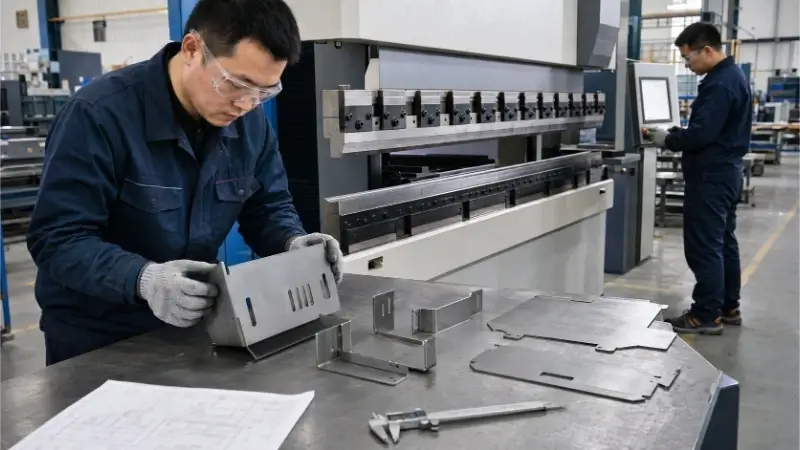
Odciążenia przy gięciu blach: wymiary, kształty i zasady projektowania pod kątem produkcji (DFM)
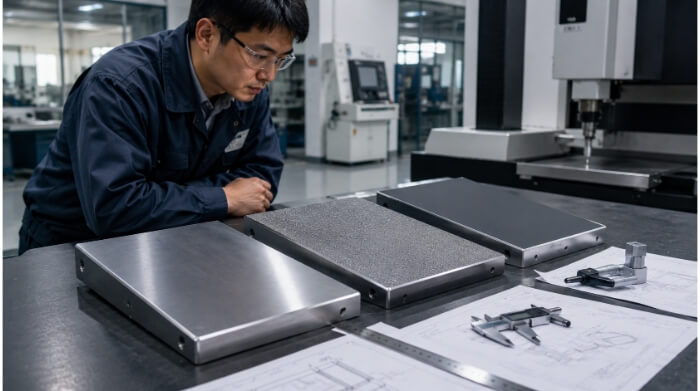
Teksturowanie laserowe metali: przygotowanie, projektowanie pod kątem produkcji (DFM) i kontrola kosztów
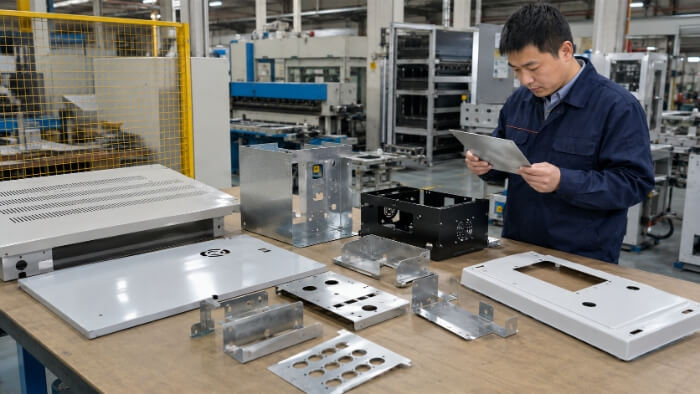
Stal ocynkowana elektrolitycznie: Przewodnik po obróbce i doborze