Het kiezen van het juiste behuizingsmateriaal is niet alleen een kwestie van voorkeur - het bepaalt de duurzaamheid, het warmtegedrag, de installatiebelasting, de levensduur van corrosie en de totale bedrijfskosten na verloop van tijd. In echte buitentoepassingen zijn defecten aan behuizingen zelden te wijten aan slecht snij- of laswerk. Dit gebeurt wanneer het materiaal niet overeenkomt met de werkelijke omgeving.
Aluminium en roestvrij staal zijn de twee meest gekozen metalen voor industriële en elektronische behuizingen. Beide kunnen uitzonderlijk goed presteren als ze op de juiste manier worden gebruikt, maar beide kunnen voortijdig falen als ze in de verkeerde omgeving worden geplaatst.
Dit artikel biedt gegevensgestuurde vergelijkingen, verschillen in mechanisch gedrag, corrosieprestaties en aanbevelingen voor praktische toepassingen.
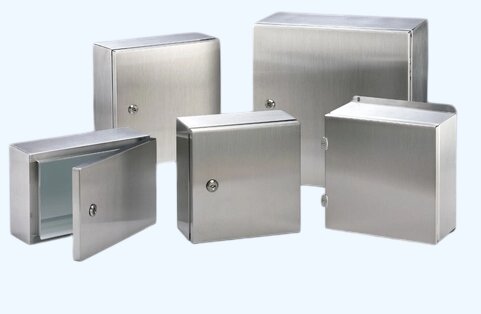
Roestvrij staal vs aluminium: materiaalstructuur en kerneigenschappen
Inzicht in de basiseigenschappen van elk metaal maakt de prestatieverschillen voorspelbaar - niet verrassend.
Aluminium
- Dichtheid ≈ 2,7 g/cm³ (ongeveer ⅓ het gewicht van roestvrij staal)
- Vormt een natuurlijke zelfherstellende oxidebarrière
- Hoge thermische geleidbaarheid ≈ 237 W/m-K
- Gemakkelijk te bewerken, te vormen en aan te passen
Roestvrij staal (304/316)
- Dichtheid ≈ 7,8 g/cm³ → zwaarder, stijver
- Corrosiebestendigheid door passieve chroomlaag
- Lagere warmtegeleidingscoëfficiënt ≈ 15 W/m-K → warmte wordt beter vastgehouden
- Hoge structurele integriteit onder druk of sabotage
Als gewicht en warmteafvoer belangrijk zijn → dan is aluminium de beste keuze. Als slagvastheid en structurele stabiliteit van belang zijn → wordt roestvrij de veiligere keuze.
Sterkte, belastbaarheid en structurele stabiliteit
Roestvrij staal heeft een hogere treksterkte en behoudt zijn vorm bij zware belasting of misbruik. Dit maakt het geschikt voor openbare machines, zware industriële vloeren of omgevingen waar vandalisme of impact van gereedschap mogelijk is. Het absorbeert herhaalde belastingscycli voordat het defect raakt.
Het mechanische gedrag van aluminium is anders. Het heeft een uitstekende verhouding tussen sterkte en gewicht, maar een lagere algemene stijfheid. Bij hevige schokken buigt aluminium in plaats van te barsten - een "fail-soft" gedrag dat de behuizing intact houdt, maar deuren of afdichtingen kan vervormen.
Sterktevergelijking in een oogopslag
| Eigendom | Aluminium | Roestvrij staal |
|---|---|---|
| Treksterkte | Onder | Hoger |
| Faalwijze bij botsing | Eerst buigen | Scheuren alleen bij hogere belasting |
| Sterkte/gewicht | Zeer hoog | Sterk maar zwaar |
| Beste doel | Lichtgewicht uitrusting | Omgevingen met veel misbruik |
Corrosiebestendigheid bij langdurig buitengebruik
Aluminium vormt van nature een beschermende oxidelaag - en wat belangrijk is: deze laag herstelt zichzelf wanneer er krassen op komen. Met poederlak of anodiserenaluminium kan uitzonderlijk goed presteren in vochtigheid, regen, zoutnevel en wind aan de kust.
Roestvast staal is op verschillende manieren bestand tegen corrosie. In schone industriële omgevingen zorgt de passieve chroomlaag voor een lange levensduur. Op locaties met veel chloride - in de buurt van oceanen, chemische dampen, afvalwaterinstallaties - kan roestvast staal echter putten of spleetcorrosie vertonen, tenzij het goed wordt onderhouden of geüpgraded naar 316.
Zout Mist Realiteit
| Materiaal | Typisch zoutsproei-resultaat |
|---|---|
| Koolstofstaal (geen coating) | < 200 uur voor roestvorming |
| Gepoedercoat aluminium | Vaak 1.000+ uur stabiel |
| Roestvrij staal 316 | Uitstekend, maar niet onoverwinnelijk tegen stagnerende chloriden |
In kustomgevingen of omgevingen met veel zout → gecoat aluminium of roestvrij staal 316 verdient de voorkeur. In fabrieken of aan het publiek blootgestelde mechanische ruimten → behoudt roestvrij staal langer zijn vorm.
Thermische prestaties en warmteafvoer
Hitte is een van de meest voorkomende oorzaken van defecten in metalen behuizingen - vooral voor elektronica, batterijen, omvormers en stroomdistributiemodules. Warmtegeleiding bepaalt hoe snel warmte ontsnapt in plaats van zich ophoopt.
Aluminium geeft warmte snel af met ≈237 W/m-K, waardoor het zeer geschikt is voor koeling en warmteverspreiding. Roestvrij staal is slechts ≈15 W/m-K, dus het houdt warmte 10-15× langer vast en geeft warmte veel langzamer af.
Aluminium werkt als een warmtevlak - het verdeelt de thermische belasting snel over het oppervlak, waardoor er minder hotspots in de behuizing zijn. In veel toepassingen betekent dit minder ventilatieopeningen, kleinere koellichamen of geen actieve koelhardware nodig.
Roestvrij staal gedraagt zich anders. Omdat het langzaam warmte afgeeft, heeft het de neiging om de binnentemperatuur meer te laten stijgen, vooral in omgevingen met veel zon buiten. Een temperatuurstijging van 10-15°C kan de levensduur van onderdelen met 30-50% verkorten, afhankelijk van het apparaat.
Als thermische stabiliteit van cruciaal belang is → is aluminium duidelijk in het voordeel. Wanneer isolatie of warmtebehoud nuttig is (koude gebieden, antivorststructuren), is roestvast staal nuttig.
Produceerbaarheid en fabricage-efficiëntie
De verwerkingsmoeilijkheid heeft een directe invloed op de doorlooptijd, gereedschapskosten en aanpassingsflexibiliteit.
Prestaties vormen en bewerken
| Metrisch | Aluminium | Roestvrij staal |
|---|---|---|
| Bewerkbaarheid | Gemakkelijk - weinig gereedschapsslijtage | Harder - stompt gereedschap sneller af |
| Moeilijkheid bij het lassen | Laag tot matig | Hoger - warmteregeling vereist |
| Buigen/vormbaarheid | Soepel, consistent | Veel kracht nodig, risico op terugveren |
| Snelheid prototype | Snel | Langzamer en duurder |
Aluminium is gemakkelijker te snijden, pons, molenanodiseren of poedercoaten. Dit maakt het ideaal voor snelle prototypes, regelmatige ontwerprevisies of aangepaste behuizingen in kleine aantallen. Voor teams die nog steeds bezig zijn met het verfijnen van de productgeometrie, verkort aluminium de iteratietijd aanzienlijk.
Roestvrij staal vereist meer energie om te vormen en een betere lasdiscipline om vervorming of verkleuring te voorkomen. Dit verlengt de fabricagetijd, maar beloont de gebruiker met een hogere stijfheid op lange termijn.
➡ Als je ontwerpen vaak itereert → aluminium verlaagt de ontwikkelkosten.
➡ Als de geometrie definitief is en een hoge stijfheid vereist is, is roestvast staal beter.
Oppervlakteafwerking en levensduur bij verwering
De afwerkingskwaliteit bepaalt hoe goed beide metalen buiten verouderen.
Aluminium afwerkingsopties
- Anodiseren - harde, UV-stabiele oxidelaag
- Poedercoating - uitstekende weerstand tegen corrosie/schokken
- Folie voor chemische omzetting - geleidende RF-vriendelijke oppervlakken
Geanodiseerd aluminium kan de oppervlaktehardheid 3-5× verbeteren, terwijl poedercoating een barrièrelaag toevoegt die 1000 uur zoutsproeibestendigheid kan overschrijden.
Afwerkingsopties roestvrij staal
- Borstelen - vermindert zichtbare krassen
- Passiveren/elektrolytisch polijsten - verbetert de chroomfilmstabiliteit
- Spiegelglans - ideaal voor hygiënekritische omgevingen
Gepolijst roestvast staal is chemisch glad en vervuilende stoffen kunnen zich er moeilijk op hechten. Daarom domineert het in voedselverwerkende, medische en afwasinstallaties.
Geen van beide afwerkingen is op zichzelf perfect - falen is afhankelijk van de blootstellingscyclus, temperatuurschommelingen en onderhoudsfrequentie.
Verborgen faalwijzen
Galvanische corrosie (aluminium vs. andere metalen)
Wanneer aluminium in contact komt met een ongelijk metaal - roestvrije schroeven, messing klemmen, koperen kabelschoenen - en er vocht aanwezig is, wordt aluminium de opofferingsanode en corrodeert het eerst.
Beperking:
Isolerende sluitringen, nylon bussen, oppervlaktecoating of overschakelen op bevestigingsmiddelen die compatibel zijn met aluminium.
Thermische uitzetting Afdichtingsmoeheid
Aluminium zet bijna 2× meer uit dan roestvrij staal bij temperatuurveranderingen.
Bij dagelijkse wisselingen tussen warm en koud kan de compressie van de pakking losser worden → waardoor de IP/NEMA-classificatie in de loop der jaren afneemt.
Beperking:
Gebruik elastomeerpakkingen met een langdurig compressiegeheugen of ontwerp met expansieruimte.
Langdurige trillingskruip
Roestvrij staal houdt de geometrie stevig vast; aluminium kan langzaam vervormen bij cyclische kracht of windbelasting op grote deurpanelen.
Beperking:
Gebruik dikker aluminium of met ribben versterkte paneelstructuren.
Deze verborgen risico's betekenen niet dat één materiaal "beter" is - alleen dat elk materiaal zich voorspelbaar gedraagt als het op de juiste manier is ontworpen.
Toepassingsscenario's uit de praktijk: Welk metaal presteert beter?
Materiaalselectie wordt veel eenvoudiger als je het bekijkt vanuit een use case in plaats van een theorie. Hieronder staat een in de praktijk geteste uitsplitsing - gebaseerd op gewichtsbeperkingen, blootstellingsomgeving, warmtecondities en impactrisico.
| Omgeving / Use Case | Aanbevolen materiaal | Waarom |
|---|---|---|
| Kusttelecommunicatie, offshore wind, mariene sensorboxen | Gecoat aluminium of roestvrij staal 316 | Chloriden + vocht → aluminium is beter bestand, 316 als het risico op sabotage hoog is |
| Batterij BMS, omvormerbehuizingen, vermogenselektronica | Aluminium | Beste thermische geleiding, betere interne temperatuurregeling |
| Zwaar belopen industriële vloeren, zones met publieke toegang | Roestvrij staal | Stootvast, vandaalbestendig, betere structurele retentie |
| Voedsel- en farmaceutische verwerkingsgebieden | Roestvrij staal | Hygiënisch oppervlak, eenvoudig te reinigen, bestand tegen chemische wasbeurten |
| Slimme stadsapparatuur op palen, snelwegen | Aluminium | Lichtgewicht → snellere installatie + lagere montagebelasting |
| Locaties met zware trillingen (treinen, turbines) | Roestvrij of versterkt aluminium | Roestvrij houdt geometrie langer vast. Aluminium mogelijk indien ribverstijfd |
| Zonne-/netinstallaties op afstand (geen frequent onderhoud) | Aluminium | Weinig onderhoud + lager risico op corrosie door de jaren heen |
Geen universele winnaar - maar er is altijd een juiste match. Kiezen op basis van werkbelasting, milieu en levensduur bespaart meer geld dan kiezen op basis van gewoonte.
Behuizingen van roestvast staal vs aluminium: snelle matrix voor materiaalselectie
Gebruik deze matrix als een snel hulpmiddel voor technische beslissingen:
| Vereiste | Beste keuze |
|---|---|
| Laagste gewicht / gemakkelijkste bediening | Aluminium |
| Extreme hitte of elektronica binnen | Aluminium |
| Structurele stijfheid op lange termijn | Roestvrij staal |
| Hoog vandalisme-/aanrijdingsrisico | Roestvrij staal |
| Blootstelling aan de kust of zoute mist | Aluminium (gecoat) / Roestvrij staal 316 |
| Regelmatig herontwerpen en prototypen | Aluminium |
| Hygiënekritisch, afwasbaar | Roestvrij staal |
Als er 3 of meer dozen op één kant terechtkomen → is dat materiaal de juiste keuze.
Conclusie
Beide materialen zijn uitstekend - alleen uitstekend in verschillende dingen. Aluminium wint waar gewicht, corrosiebestendigheid, thermische prestaties en een onderhoudsarme levensduur het belangrijkst zijn. Roestvast staal wint als het gaat om mechanisch misbruik, bescherming tegen toegang door het publiek of rigide dimensionale stabiliteit.
De best presterende behuizingen zijn niet altijd de sterkste of de duurste - het zijn de behuizingen die zijn ontworpen om zich aan te passen aan hun omgeving, in plaats van ertegen te vechten. Met inzicht in gegevens, corrosiecycli, warmtebelasting en storingsrisico's wordt betrouwbaarheid voorspelbaar en daalt de vervangingsfrequentie aanzienlijk.
Als je materialen selecteert voor een behuizingsproject en snel advies wilt op basis van je omgeving, belastingseisen en thermisch profiel, kunnen wij je helpen. Stuur ons uw behuizingstekeningen of specificaties. We bekijken de geschiktheid, vergelijken de verwachte levensduur en adviseren het meest kosteneffectieve materiaal voor uw toepassing.
FAQs
Welk behuizingsmateriaal gaat buiten langer mee?
Beide kunnen jaren meegaan, maar de omstandigheden zijn van belang. Aluminium presteert beter bij constante vochtigheid of zoutnevel, terwijl roestvrij staal het langst meegaat in schone industriële omgevingen of waar vandalismebestendigheid vereist is.
Is roestvrij staal beter bestand tegen corrosie?
Niet altijd. In omgevingen met veel chloride (kust, chemische fabrieken) kan roestvast staal gaan putten of spletencorrosie vertonen, tenzij de 316 kwaliteit wordt gebruikt of onderhouden. Gecoat/geanodiseerd aluminium presteert buiten vaak beter op lange termijn.
Kunnen aluminium behuizingen tegen een stootje?
Ja, maar het vervormt in plaats van het barst. Roestvast staal behoudt beter zijn vorm bij zwaar misbruik, dus heeft het de voorkeur voor openbare of industriële omgevingen.
Welk materiaal is het beste voor accu's of behuizingen van omvormers?
Aluminium - vanwege de hoge warmteafvoer, het lichte gewicht en het lagere onderhoud.
Welk materiaal is het beste voor hygiënische of sanitaire omgevingen?
Roestvrij staal - elektrolytisch gepolijste of geborstelde afwerking is bestand tegen vervuiling en gemakkelijk schoon te maken.
Is aluminium of roestvrij staal op de lange termijn goedkoper?
Vaak, aluminium, zodra installatie + onderhoud, + warmtebeheerkosten zijn inbegrepen. Roestvrij staal wint wanneer duurzaamheid en hoge slagvastheid vervangingscycli besparen.
Hey, ik ben Kevin Lee

De afgelopen 10 jaar heb ik me verdiept in verschillende vormen van plaatbewerking en ik deel hier de coole inzichten die ik heb opgedaan in verschillende werkplaatsen.
Neem contact op
Kevin Lee
Ik heb meer dan tien jaar professionele ervaring in plaatbewerking, gespecialiseerd in lasersnijden, buigen, lassen en oppervlaktebehandelingstechnieken. Als technisch directeur bij Shengen zet ik me in om complexe productie-uitdagingen op te lossen en innovatie en kwaliteit in elk project te stimuleren.
Verwante bron
Materialen voor prototypen: hoe kies je het juiste materiaal?
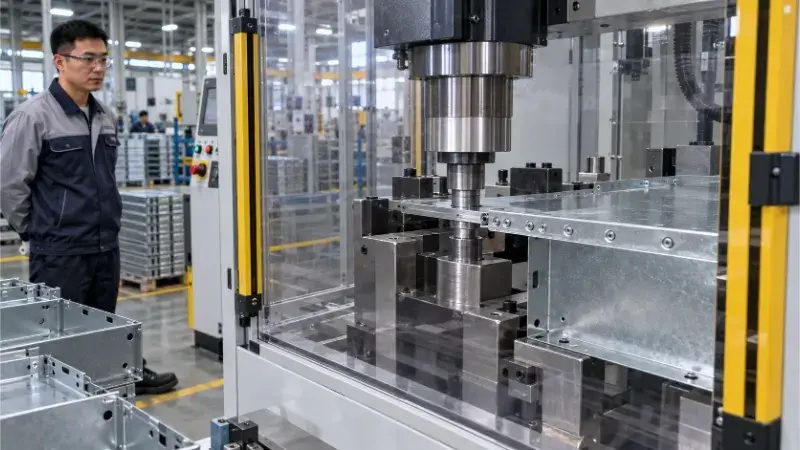
Persverbindingen in plaatwerk: ontwerp, kosten en kwaliteit