Every sheet metal part tells a story — of precise fabrication, careful finishing, and hours of engineering. Yet, many of these efforts can be undone in a single truck ride. Studies show that over 30% of quality complaints in metal fabrication are related to surface defects caused during transport.

Surface damage prevention is not just about wrapping parts; it’s an engineering and logistics challenge. When properly addressed, it saves time, reduces warranty claims, and strengthens customer trust. In this article, we explore how to build a complete protection strategy—from packaging design and environmental control to inspection and cost optimization.

板金輸送における表面損傷防止

Common Causes of Surface Damage

Surface damage occurs when mechanical or environmental stress exceeds what a part’s finish can withstand.
The main culprits include:

  • Vibration and Friction: When metal panels are loosely packed or stacked unevenly, they slide and rub during transport. Tests following ASTM D4728 vibration standards show that vibration levels over 1.2 g for more than 10 minutes can create visible abrasions on unprotected aluminum surfaces.
  • Impact and Shock: Rough handling or sudden braking generates vertical shocks that can exceed 50–100 g. Without proper cushioning, corners dent and edges deform.
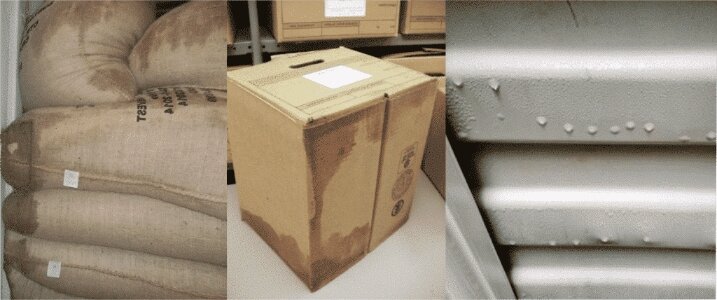
  • Moisture and Condensation: Trapped humidity or sudden temperature changes can cause oxidation, water stains, and corrosion—especially during sea freight or winter transport.

Even with careful handling, these forces are unavoidable. What determines the outcome is how effectively the packaging absorbs or redirects them.

Types of Surface Defects

Surface damage comes in several forms, each with different causes and visual impacts:

タイプ Typical Cause Impact on Quality
Scratches & Abrasions Friction between stacked sheets or contact with hard surfaces Visible marks; may require refinishing
Dents & Corner Deformation Shock or point loading Loss of flatness; affects fit-up
Rust, Oxidation, or Water Spots Moisture exposure and condensation Permanent discoloration; functional risk

Among these, scratches are the most frequent and visible, while corrosion often develops invisibly during long storage or transit. Both can lead to costly rejections once the shipment reaches the customer.

Economic and Operational Consequences

The cost of a damaged surface goes far beyond cosmetic repair. For example, replacing or refinishing a stainless-steel cover can cost 5–10 times more than the original packaging upgrade that could have prevented the defect.
Hidden costs include:

  • Production delays when replacement parts must be fabricated.
  • Increased labor time for re-inspection and repackaging.
  • Brand perception losses when customers associate visible flaws with poor quality control.

In precision industries—such as medical devices, automation, and EV battery systems—these risks directly affect supplier credibility. Engineers who treat surface integrity as a measurable performance parameter see up to 25% fewer customer claims compared with those relying solely on visual checks.

Quick Risk-Assessment Checklist

Before shipment, packaging engineers can evaluate surface-damage risk using a simple checklist:

✅ Are all surfaces physically isolated (no metal-to-metal contact)?
✅ Are parts immobilized against vibration and impact?
✅ Is the packaging dry, sealed, and humidity-controlled?
✅ Does packaging design match part geometry and finish type?
✅ Is there traceable inspection before shipment?

This structured approach shifts the mindset from “wrap and hope” to “design and control.”

Packaging as the First Line of Defense

Packaging is not just a shipping formality—it’s an engineered system designed to absorb, isolate, and stabilize. Every layer, from protective film to crate structure, plays a role in preventing surface damage during vibration, stacking, and impact.

Protective Layers and Barriers

The simplest way to prevent scratches is to separate and cushion each part. Multi-layer protection—film, foam, and partition—is the industry standard for sensitive finishes.

  • Protective Films: Use anti-static, low-tack PE films on ブラッシュアップ または polished metals. These films prevent direct friction without leaving residue.
  • Foam and Paper Interleaves: EVA foam or kraft paper sheets between panels reduce micro-abrasion. Tests conducted following ISTA 3A vibration protocols indicate that dual-layer cushioning can reduce visible scratch density by up to 60% compared to single-film wrapping.
  • Rigid Barriers: Corrugated partitions or molded trays maintain spacing and prevent edge contact when multiple parts are stacked.

Best Practice Tip: Avoid over-tight wrapping that creates pressure marks. Packaging should hold firmly but allow slight flexibility under shock load.

Cushioning and Shock Absorption

Shock is one of the biggest threats during loading, unloading, and transit. A truck passing over an uneven road can generate short spikes exceeding 50 g, enough to deform corners or leave compression marks.

To counter this:

  • Use EVA or polyurethane foam at edge and corner zones.
  • Add rubber spacers or vibration-absorbing pads between layers.
  • Consider floating trays for high-value components—flex-mounted trays can cut vibration energy by up to 40% during transit simulation tests.

Each packaging material has a defined compression set そして impact absorption curve. Packaging engineers should verify these properties during design validation to ensure consistent protection performance.

Custom Packaging Design

Every part geometry requires a matching packaging solution. Thin covers, large panels, and precision enclosures should not share the same protection approach.

  • CAD-Based Design: Simulate packaging fit and load distribution digitally. This helps visualize how forces transfer across parts and ensures clearances remain consistent.
  • Stacking Spacers: Maintain 15–20 mm air gaps between aluminum or stainless panels to avoid rub marks from vibration.
  • Form-Fitted Inserts: Molded or die-cut foam inserts are ideal for complex assemblies, preventing rotation or slippage inside boxes.

Custom Packaging Design

Controlling Movement and Friction During Transport

Packaging absorbs force, but stability ensures parts stay safe under it. A properly packed crate still fails if the contents move during transit. Controlling internal and external movement is therefore critical.

Stabilization Techniques

Movement control starts with anchoring and friction management.

  • Use anti-slip mats or foam liners to prevent sliding between parts and pallets.
  • Secure loads with wide straps and corner protectors, distributing force evenly to avoid deformation.
  • In container shipments, apply blocking and bracing—wooden frames or adjustable steel supports—to resist lateral acceleration up to 0.8 g and longitudinal up to 1 g, as recommended by logistics safety standards.

Field Tip: For high-finish parts, avoid direct contact with strap surfaces. Always place soft pads under strapping points to prevent compression lines.

Load Distribution and Weight Balance

Uneven weight causes imbalance, shifting, and internal friction—all major contributors to hidden surface wear.

  • Place heavier parts at the bottom and lighter parts above.
  • Spread the load evenly across pallet surfaces to avoid “pressure spots.”
  • For large shipments, verify that center of gravity remains below half the crate height to minimize tipping risk.

A logistics case study found that adjusting pallet layouts for better balance reduced crate deformation and vibration failure rates by over 30% across three consecutive shipments.

Environmental Protection Measures

Rust, oxidation, and water stains often appear その後 delivery, turning invisible risks into visible claims. Effective protection means managing both moisture and thermal variation throughout the logistics chain.

Humidity and Corrosion Control

Humidity is one of the most underestimated threats in metal transport. When relative humidity (RH) exceeds 60–70%, corrosion activity accelerates sharply. This is especially risky during sea freight, when temperature and humidity fluctuate daily.

The most reliable defense combines VCI (Vapor Corrosion Inhibitor) technology and desiccant absorption:

  • VCI Packaging: VCI films or papers release corrosion inhibitors that form an invisible molecular shield on metal surfaces. Testing by the Steel Packaging Institute shows that VCI use can extend rust-free storage by up to three times compared to regular plastic wrap.
  • Desiccants and Seal Integrity: For every cubic meter of packed volume, about 100–150 g of desiccant should be added for long-distance shipments. Always use moisture-indicator cards to verify dryness before sealing.
  • Dry Packing Conditions: Never seal parts immediately after washing or machining. Allow complete drying and confirm the packaging area maintains RH below 50%.

プロのアドバイス Combine VCI film + desiccant + sealed crate for long-term overseas shipments. This “triple-layer system” drastically lowers oxidation risk without increasing labor cost.

Temperature and Condensation Factors

Temperature shifts can create condensation even inside sealed crates—a process known as “container rain.” When warm air meets cold metal, dew forms, leaving water spots or rust rings.

Preventive steps include:

  • Thermal Liners or Insulated Wraps: These slow temperature swings and reduce condensation cycles.
  • Dry Containers and Ventilation: Use desiccant poles or vented containers for sea freight.
  • Controlled Acclimation: After cold transport, allow 12–24 hours for temperature stabilization before unsealing. Opening packages too soon exposes cold metal to humid air, causing immediate condensation.

Inspection and Process Control

Surface protection isn’t just about materials—it’s also about process control. Inspection systems ensure that protection methods are consistent, traceable, and continuously improved.

Pre-Shipment Quality Checks

Before packaging, each batch should undergo a final surface inspection under strong light. Detecting minor flaws early prevents expensive rework later. The inspection process can follow guidelines from ISO 8785 (surface imperfection classification) or internal criteria adapted to product finish levels.

Recommended steps include:

  1. Wipe and clean surfaces to remove oil or particles that might trap moisture.
  2. Perform visual inspection for scratches or stains.
  3. Take high-resolution photos before sealing crates.
  4. Record serial numbers, finish type, and packaging method in shipment logs.

This documentation allows traceability if damage occurs during transport. According to logistics reports, companies that implemented photo-based shipment verification reduced dispute resolution time by 40%.

In-Transit Monitoring

Modern logistics offers tools to transform packaging from passive to intelligent protection:

  • Shock Indicators & Tilt Sensors: These reveal if a crate experienced impacts beyond safe limits. For instance, if the indicator turns red at 25 g, handlers know where mishandling occurred.
  • Vibration or Temperature Loggers: Wireless data loggers track vibration levels, humidity, and temperature over time. One industrial trial found a 20% decrease in returned goods after applying vibration sensors, as transport teams used the data to optimize handling routes.
  • RFID and GPS Tracking: For high-value or fragile shipments, location tracking ensures visibility and accountability across all stages.

ヒント Integrate these records into a central database shared by quality, logistics, and customer service teams to support continuous improvement.

Post-Delivery Evaluation

Inspection should continue even after the shipment arrives:

  • Check external crates for deformation, moisture stains, or strap marks.
  • Photograph the unpacking sequence to verify whether packaging integrity was maintained.
  • Conduct surface sampling if rust or scratches are suspected.

Post-delivery feedback is critical. If multiple deliveries show similar marks, root cause analysis often points to one of three culprits: insufficient drying, poor crate ventilation, or unbalanced stacking. Corrective actions based on data, not guesswork, lead to permanent improvement.

設計とエンジニアリングに関する考察

Preventing surface damage begins not at the packaging table, but in the design phase. Many defects arise because geometry, surface finish, or assembly methods were never optimized for logistics handling.

Integrating Packaging Early in Design

Packaging should be treated as part of the engineering system—not an afterthought. When packaging requirements are considered in CAD design, engineers can visualize part orientation, stacking methods, and fixture points before production begins.

  • Design for Stability: Add small flanges or non-critical holes that can act as mounting points for separators or pins, keeping parts fixed in transit without touching finished surfaces.
  • Simulated Packaging Tests: CAD and FEA tools can simulate vibration or drop impact to verify packaging design performance. Early simulation prevents trial-and-error costs during full-scale shipping.
  • Cross-Team Collaboration: A joint review between manufacturing, packaging, and quality teams helps align protection goals. Industry benchmarks show that companies integrating packaging engineers in early design reduce transport damage rates by over 25%.

実践的な洞察: When one sheet metal manufacturer included packaging geometry in their laser-cutting drawings, setup time during packing dropped by 18%, while shipping damage complaints fell to nearly zero.

Material and Finish Sensitivity

Not all sheet metals require the same protection. Understanding surface sensitivity levels allows tailored solutions that balance performance and cost.

素材の種類 Surface Sensitivity Recommended Protection Method Typical Damage Mode
ステンレス・スチール 非常に高い Soft PE film + foam + corner guards Scratches and scuffs
アルミニウム 高い EVA foam + rigid crate base Dents and compression marks
亜鉛メッキスチール ミディアム Corrugated partitions + kraft paper Flaking or abrasion at edges
Powder-Coated / Painted 非常に高い Non-abrasive liner + anti-static wrap Gloss variation, chafing marks

By classifying each product into “high,” “medium,” or “low” surface-risk categories, teams can set standard packaging levels. This avoids both under-protection and over-engineering, improving consistency and saving material cost.

Balancing Cost, Efficiency, and Protection

Effective packaging design must protect the surface and protect the profit margin. Overspending on materials can make shipping inefficient, while under-protection leads to rework and claim costs.

Economic Trade-Offs

Reusable systems—such as metal crates or foam-lined trays—offer durability for repeated shipments. Though initial investment is higher, the cost per use can drop 40–50% after several cycles. They also support sustainability goals by reducing packaging waste.

For small-batch or export shipments, disposable systems remain practical. However, recyclable options like corrugated fiberboard, PET foam, or molded pulp inserts provide good protection with low environmental impact.

When evaluating packaging cost, always include:

  • Material cost per shipment
  • Labor time for packing/unpacking
  • Risk-adjusted cost of rework and returns

In one analysis, replacing heavy plywood crates with modular fiberboard crates reduced total shipping cost by 22%, including labor savings and reduced forklift time.

Process Efficiency and Standardization

Good protection should not slow down production. Efficient packaging design focuses on speed, repeatability, and safety.

  • Standardized Packaging Kits: Use pre-cut foam, color-coded layers, or pre-labeled cartons to simplify operator training.
  • Semi-Automated Sealing or Wrapping Systems: Automated film application or vacuum sealing can eliminate air gaps and ensure uniform tension, improving consistency by 15–20%.
  • Ergonomic Handling: Crates designed for easy lifting and clear labeling reduce accidents and keep surfaces untouched during manual handling.

Key Takeaway: Repeatability equals reliability. A packaging system that any operator can apply correctly every time is the best defense against surface damage.

結論

Surface damage prevention is a complete engineering system, not a single protective layer. It links design, material selection, environmental control, packaging efficiency, and inspection into one continuous process.

Companies that treat packaging as part of product engineering—rather than a final shipping task—see lasting gains: fewer claims, faster shipping, and stronger client confidence.

Every scratch tells a costly story. At Shengen, we understand that flawless surfaces define product quality and customer trust. Upload your drawings or shipping requirements today, and let our engineers recommend a customized protection solution for your next shipment.

やあ、僕はケビン・リー

ケビン・リー


過去10年間、私はさまざまな形態の板金加工に没頭し、さまざまなワークショップでの経験から得たクールな洞察をここで共有してきた。

連絡先

ケビン・リー

ケビン・リー

レーザー切断、曲げ加工、溶接、表面処理技術を専門とし、板金加工において10年以上の実務経験があります。シェンゲンのテクニカルディレクターとして、複雑な製造上の課題を解決し、各プロジェクトにおける革新と品質の向上に尽力しています。
関連リソース

Sheet Metal Packaging

板金輸送における表面損傷防止

もっと読む
化粧品の目視検査基準

化粧板金部品の目視検査基準

もっと読む
軽量板金

板金加工で軽量部品を作る

もっと読む
疲労故障

シートメタルの疲労破壊:原因と予防法

もっと読む

クイック見積もり

1営業日以内にご連絡いたします。接尾辞が"@goodsheetmetal.com "のメールにご注意ください。

ご希望のものが見つかりませんでしたか? 弊社のディレクターに直接ご相談ください!