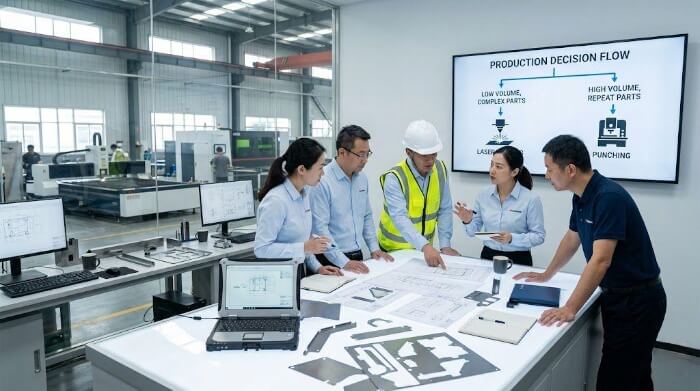
Negli ultimi anni, i produttori globali hanno imparato una lezione chiara. Non si può dare per scontata la stabilità degli approvvigionamenti. Le operazioni di fabbricazione dei metalli sono soggette a rischi elevati dovuti a ritardi nelle spedizioni, fermi regionali e carenze di materiali. Quando un fornitore resta indietro, i problemi si diffondono rapidamente. La produzione rallenta. Le macchine restano ferme. Le scadenze dei clienti non vengono rispettate.
Il dual sourcing offre una soluzione pratica. Questo approccio prevede l'approvazione di due fornitori capaci per lo stesso pezzo o processo. Se un fornitore ha un problema, l'altro può continuare la produzione. Questa soluzione riduce i rischi e mantiene gli ordini in movimento.
Il dual sourcing comporta anche ulteriori vantaggi. Aumenta la flessibilità nella pianificazione. Migliora la visibilità dei costi. Crea una sana concorrenza tra i fornitori. Questi vantaggi sono ancora più importanti nell'incerto ambiente produttivo di oggi.
Questo articolo spiega come le aziende di produzione di metalli possono utilizzare efficacemente il dual sourcing. Inizia con lo scopo principale del dual sourcing. Quindi illustra la configurazione tecnica e operativa necessaria per farlo funzionare in contesti produttivi reali.
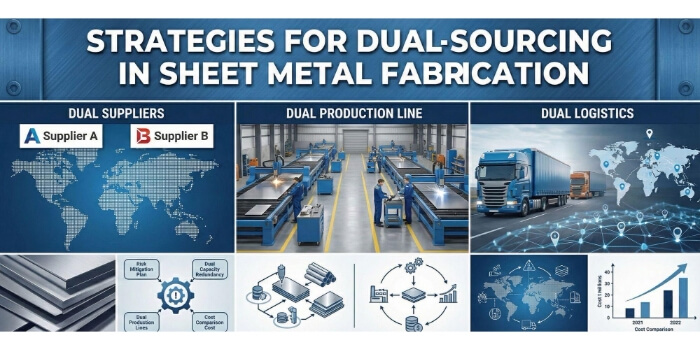
Scopo e valore del dual-sourcing
Il dual-sourcing cambia l'equilibrio nelle relazioni con i fornitori. Allontana i produttori dalla dipendenza e li porta verso il controllo. Quando le aziende lo applicano bene, proteggono la produzione. Inoltre, migliora la cooperazione con i fornitori.
Riduzione della dipendenza e del rischio
Molti produttori si affidano a un unico fornitore di prodotti. Questa configurazione crea un rischio evidente. Un guasto alla macchina, un'interruzione di corrente o una modifica delle regole di esportazione possono bloccare istantaneamente la produzione. Quando ciò accade, i tempi di consegna slittano e i costi aumentano.
Il dual-sourcing riduce questo rischio. La produzione è condivisa tra due strutture qualificate. Se un fornitore si guasta, l'altro può continuare a lavorare. In questo modo si riduce la possibilità di un arresto totale.
Ad esempio, un'azienda che produce involucri in acciaio inossidabile può effettuare ordini per grandi volumi con un fornitore in Asia. La stessa azienda può utilizzare un fornitore europeo per gli ordini a rotazione rapida. Questo approccio riduce il rischio di lead-time. Inoltre, evita la dipendenza da un'unica regione.
Migliorare la flessibilità e la continuità
Fabbricazione di metalli dipende da fasi collegate. Queste fasi comprendono taglio laser, piegatura, saldatura, rivestimento e Assemblea. Un ritardo in una fase può rallentare l'intero flusso. I limiti di capacità o i problemi di attrezzaggio presso un fornitore sono spesso la causa di questi ritardi.
Il doppio approvvigionamento aggiunge flessibilità. I carichi di produzione possono passare da un fornitore all'altro secondo le necessità. Un fornitore può gestire prototipi urgenti. L'altro può concentrarsi su ordini costanti e ad alto volume. Questo equilibrio consente di mantenere stabile la produzione e di tenere sotto controllo i tempi di consegna.
Un costruttore di apparecchiature di automazione ha suddiviso la produzione di staffe tra due fornitori di lamiere con un rapporto di 70:30. Quando la domanda è aumentata improvvisamente, il secondo fornitore ha aumentato la produzione nel giro di tre giorni. Quando la domanda è aumentata improvvisamente, il secondo fornitore ha aumentato la produzione in tre giorni. L'assemblaggio finale è rimasto nei tempi previsti.
Rafforzare la leva negoziale
Il dual-sourcing non riduce solo il rischio. Crea anche una sana concorrenza. Quando due fornitori producono lo stesso pezzo, ognuno ha un motivo per superare l'altro. Si concentrano sul prezzo, sulla qualità e sulla velocità di risposta.
I team di approvvigionamento possono fare benchmark:
- Tempi di consegna (obiettivo: entro ±2 giorni di scostamento)
- Tassi di difettosità (obiettivo: inferiore a 1.000 PPM)
- Velocità di risposta alle RFQ o alle domande di ingegneria
Nel corso del tempo, questo processo produce un miglioramento costante. I fornitori lavorano per ottenere più affari in futuro. Non agiscono per paura. Agiscono per rimanere competitivi.
Un'indagine sulla produzione 2023 condotta da IPC ha rilevato che le aziende con almeno due fornitori attivi nel settore della fabbricazione hanno registrato fino al 15% in meno di fluttuazioni dei prezzi durante i periodi di inflazione dei materiali. Il risultato è semplice. La concorrenza non solo riduce i costi. Ma mantiene anche i prezzi più stabili.
Considerazioni chiave prima di implementare il dual-sourcing
Prima di lanciare un programma di dual-sourcing, ogni decisione deve trovare un equilibrio tra rischi, costi e capacità. Ecco come determinare quali parti, fornitori e budget sono veramente adatti al modello.
Valutare la criticità e il volume dei pezzi
Non tutti i pezzi richiedono più fornitori. I candidati migliori sono quelli che sono:
- Alto volume e alto impatto sui programmi di assemblaggio
- Tecnicamente standardizzatoche consente la replica tra strutture diverse
- Sensibile al rischiocome involucri, staffe o pannelli per la dissipazione del calore.
Per prototipi unici o altamente personalizzati, il dual sourcing può aumentare i costi senza fornire significativi guadagni in termini di resilienza.
Un quadro pratico:
| Tipo di parte | Strategia suggerita |
|---|---|
| Critico + Alto Volume | Priorità a doppia sorgente |
| Basso volume + bassa criticità | Un'unica fonte con piano di backup |
| Personalizzato o ad alta intensità di strumenti | Mantenere una fonte unica con contingenza verificata |
Questa valutazione ingegneristica garantisce che le risorse siano concentrate dove la ridondanza è più importante.
Valutare la compatibilità dei fornitori
Due fornitori possono produrre risultati intercambiabili solo se le loro capacità tecniche, il controllo dei processi e la disciplina della documentazione sono in linea. La valutazione deve riguardare:
- Tracciabilità dei materiali e controllo dei lotti
- Precisione della macchina (tolleranza di taglio, ripetibilità della piegatura, consistenza della saldatura)
- Apparecchiature di ispezione e standard di calibrazione
- Certificazioni del sistema qualità (ISO 9001, IATF 16949, ecc.)
Prima di iniziare ufficialmente il dual-sourcing, condurre ispezioni del primo articolo (FAI) e studi di capacità (CPK) per entrambi i fornitori utilizzando disegni e materiali identici. Qualsiasi deviazione misurabile, anche di ±0,1 mm nella planarità o di 3 unità di lucentezza nella finitura superficiale, deve essere corretta tempestivamente per evitare divergenze durante la scalatura della produzione.
Analizzare le implicazioni dei costi totali
Il dual-sourcing può aumentare i costi unitari a causa di lotti più piccoli, attrezzature duplicate o logistica aggiuntiva. Tuttavia, se modellato correttamente, spesso riduce il costo totale del rischio.
Un confronto pratico potrebbe mostrare:
| Fattore | Fonte singola | Sorgente doppia |
|---|---|---|
| Prezzo unitario | Il più basso | +3-5% superiore |
| Rischio di interruzione dell'attività | Alto | 30-40% inferiore |
| Stabilità della consegna | Moderare | Alto |
| Potere negoziale | Limitato | Forte |
Questo approccio riformula la discussione: il dual-sourcing non è una spesa, ma un investimento assicurativo per la continuità delle forniture e la credibilità operativa.
Creazione di un quadro di dual-sourcing
Per trasformare la strategia in azione è necessaria una struttura. Questa sezione spiega come definire i ruoli dei fornitori, standardizzare i processi e stabilire una comunicazione chiara tra tutti i partner.
Selezione dei fornitori e definizione dei ruoli
Il primo passo consiste nel definire chiaramente i ruoli dei fornitori. Molti produttori di successo utilizzano un modello primario e secondario, in cui il fornitore primario gestisce circa 70% del volume totale, mentre il fornitore secondario gestisce 30%. Questa ripartizione mantiene entrambi i fornitori attivi e qualificati, mantenendo al contempo l'efficienza dei costi.
In alcuni progetti, soprattutto quelli con scadenze ravvicinate o con una domanda volatile, è preferibile un approccio equamente suddiviso (50/50). Questo incoraggia la simmetria del processo e garantisce che entrambi i fornitori siano ugualmente impegnati nel mantenimento degli standard.
Indipendentemente dall'assegnazione, ogni accordo con i fornitori deve specificare chiaramente:
- Il famiglie di prodotti o codici prodotto ciascuno gestirà.
- Il percentuale di azioni target (ad esempio, 60/40).
- Metriche di prestazione per consegna, costi e qualità.
- Percorsi di escalation per la risoluzione di problemi e domande di ingegneria.
Ad esempio, un'azienda che produce telai in lamiera per apparecchiature mediche può assegnare al proprio fornitore nazionale il ruolo di fornitore primario per garantire un volume stabile, mantenendo un fornitore offshore come backup per gli ordini urgenti o in eccesso. Questo equilibrio riduce il rischio logistico senza perdere il vantaggio dei costi.
Suggerimento: Rivedere periodicamente i rapporti con i fornitori. L'allocazione dinamica, con l'adeguamento trimestrale della quota di volume in base alle prestazioni, mantiene entrambi i fornitori competitivi e impegnati.
Standardizzazione dei processi e della qualità
Il rischio maggiore del dual-sourcing è l'incoerenza. Due fornitori possono utilizzare velocità di taglio laser, impostazioni di piegatura o parametri di verniciatura a polvere diversi, con il rischio di ottenere pezzi che si adattano singolarmente ma non insieme.
Per evitare che ciò accada, le aziende devono stabilire una linea di base di processo unificata per tutti i fornitori. Questo include:
- Disegni di fabbricazione standardizzati con tolleranze chiaramente definite e simboli GD&T.
- Documentazione di ispezione condivisa, tra cui Ispezione del primo articolo (FAI), diagrammi di flusso del processo e piani di controllo.
- Strumenti di ispezione comuni calibrati secondo gli stessi standard (ad esempio, ISO 17025).
- Specifiche di materiali e finiture coerenticome, ad esempio, gradi di alluminio o spessori di rivestimento identici.
Una pratica utile è quella di creare un Master Sample Kit, un set di riferimento fisico o digitale verificato che mostri risultati estetici e dimensionali accettabili. Entrambi i fornitori lo utilizzano come punto di riferimento per la finitura superficiale, l'aspetto della saldatura e gli obiettivi dimensionali.
Ad esempio, un'azienda che ha standardizzato la produzione di armadi in acciaio inossidabile ha scoperto che, utilizzando modelli di ispezione condivisi e controllando mensilmente 10 pezzi campione, ha ridotto la variazione tra i fornitori di 42% in sei mesi.
Impostazione della comunicazione e della collaborazione
Il dual-sourcing aggiunge complessità alla comunicazione. Ogni revisione, aggiornamento del disegno o azione correttiva deve essere comunicata contemporaneamente a entrambi i fornitori. Un piccolo ritardo nella condivisione di un nuovo disegno può facilmente portare alla produzione di pezzi non corrispondenti.
Per evitare queste lacune, le aziende dovrebbero implementare un flusso di comunicazione digitale supportato da sistemi trasparenti.
Le migliori pratiche includono:
- Piattaforme documentali condivise (ad esempio, ERP o unità cloud sicure) con controllo delle versioni.
- Avvisi automatici per le revisioni dei disegni o della distinta base.
- Chiamate settimanali di allineamento tra il team di ingegneri dell'acquirente ed entrambi i fornitori.
- Tracciamento centralizzato degli NCR (rapporti di non conformità)garantendo la condivisione delle lezioni apprese tra i vari siti.
Alcuni produttori integrano questo sistema direttamente nel loro Manufacturing Execution System (MES) o nel portale dei fornitori, consentendo a entrambi i fornitori di visualizzare gli aggiornamenti in tempo reale sugli ordini di produzione, le revisioni dei disegni e le tendenze della qualità.
Una semplice regola mantiene tutti allineati:
"Se un fornitore lo sa, deve saperlo anche l'altro".
Questa sincronizzazione elimina la confusione delle versioni e rafforza la parità di trattamento, un fattore chiave per mantenere la fiducia e l'equità nelle partnership di dual-sourcing a lungo termine.
Mantenere la trasparenza delle informazioni
La trasparenza è il collante che tiene insieme il dual-sourcing. I buyer devono condividere previsioni realistiche, fluttuazioni della domanda e feedback con entrambi i fornitori.
Fornire ai fornitori la visibilità del vostro programma di produzione li aiuta a pianificare la manodopera e i materiali in modo più efficiente, riducendo così i tempi di consegna.
Secondo uno studio sulla collaborazione della supply chain del 2024, i produttori che hanno mantenuto una visibilità condivisa della produzione hanno ottenuto tempi di risposta mediamente più rapidi di 18% nel passaggio dei volumi tra i fornitori.
Questo dimostra che una buona comunicazione non è solo amministrativa, ma è un vantaggio operativo che si traduce direttamente nell'affidabilità delle consegne.
Gestione delle prestazioni e del coordinamento
Dopo la configurazione, l'attenzione si sposta sulla coerenza. Scoprite come misurare i risultati, allineare i processi e mantenere il controllo ingegneristico tra più fornitori.
Stabilire KPI misurabili
La trasparenza dei dati è alla base della gestione delle prestazioni dei fornitori. Due fornitori significano due serie di metriche, ed entrambi devono essere misurati rispetto agli stessi indicatori e soglie.
Quadro KPI consigliato:
| Categoria | KPI | Intervallo di destinazione |
|---|---|---|
| Consegna | Tasso di consegna puntuale | ≥ 95% |
| Qualità | Tasso di difettosità (PPM) | ≤ 1,000 |
| Costo | Variazione di prezzo rispetto al preventivo | ≤ 3% |
| Reattività | Tempo di risposta alle domande di ingegneria | ≤ 24 ore |
| Flessibilità | Tempi di adeguamento dei volumi | ≤ 3 giorni |
Le schede di valutazione che riassumono queste metriche dovrebbero essere condivise mensilmente. Questa visibilità incoraggia il miglioramento attraverso una competizione amichevole piuttosto che una pressione punitiva. Una revisione trimestrale con i team di acquisto, progettazione e qualità assicura che le azioni correttive siano monitorate e che entrambi i fornitori rimangano tecnicamente allineati.
Allineamento continuo dei processi
Anche quando entrambi i fornitori partono dalla stessa linea di base del processo, si verificano naturalmente delle derive: l'usura degli utensili, l'avvicendamento degli operatori o l'aggiornamento dei macchinari possono introdurre variazioni nel tempo.
Per mantenere l'intercambiabilità, condurre verifiche programmate dell'allineamento dei processi per garantire l'allineamento continuo. Questi includono tipicamente:
- Confronto dei dati dimensionali e dei rapporti di finitura superficiale di entrambi i fornitori.
- Esame delle tendenze del controllo statistico del processo (SPC) per l'angolo di piegatura e la dimensione del cordone di saldatura.
- Verifica della coerenza del colore, dello spessore e della brillantezza della vernice in polvere.
- Riconfermare la calibrazione delle apparecchiature di ispezione.
Un metodo semplice ma efficace è lo scambio mensile di campioni, in cui ogni fornitore fabbrica lo stesso pezzo utilizzando materiali identici e i risultati vengono confrontati mediante CMM o misure ottiche.
Quando un fornitore sviluppa un miglioramento del processo, ad esempio un modo migliore per ridurre la distorsione nella saldatura TIG o per minimizzare le bave durante il taglio laser, queste conoscenze devono essere condivise con l'altro fornitore. Questo ciclo di apprendimento incrociato migliora contemporaneamente le capacità di entrambi.
Gestione delle revisioni e delle modifiche tecniche
Niente mette a dura prova un sistema a doppia fornitura più di una modifica del progetto. Un raggio di curvatura modificato, uno schema di fori o un requisito di rivestimento possono facilmente portare a lotti non corrispondenti se i due fornitori non si aggiornano contemporaneamente.
Per gestire questo rischio, le aziende dovrebbero stabilire un processo di gestione controllata delle revisioni:
- Repository di dati centralizzato: Archiviare tutti i disegni e i modelli 3D in un database condiviso con cronologia delle revisioni (ad esempio, PDM o ERP).
- Distribuzione simultanea: Le notifiche push vengono inviate istantaneamente a entrambi i fornitori quando si verifica una modifica.
- Verifica del riconoscimento: Chiedere a ogni fornitore di confermare la ricezione e la comprensione prima dell'implementazione.
- Transizione graduale: Separate le nuove e le vecchie versioni in base ai numeri di lotto o alle scadenze per evitare di mescolare le scorte.
- Fase di convalida: Eseguire la verifica dei campioni prima di rilasciare il sistema in scala reale.
Un esempio reale: un produttore di custodie per batterie una volta ha spedito coperchi non corrispondenti perché il fornitore B aveva ricevuto il file CAD aggiornato con cinque giorni di ritardo. Dopo aver implementato nell'ERP gli avvisi automatici di revisione, il numero di errori di modifica della progettazione è sceso a zero incidenti nel giro di 12 mesi.
Questi sistemi non solo mantengono la coerenza della qualità, ma creano anche fiducia nei clienti. Quando i clienti sanno che più stabilimenti possono produrre pezzi identici in condizioni di revisione controllata, rafforzano la credibilità e la professionalità del fornitore.
Vantaggi strategici nella lavorazione dei metalli
Una volta stabilizzato, il dual sourcing offre molto di più di una semplice capacità di riserva. Scoprite come questo sistema favorisce l'agilità, l'innovazione e la resilienza a lungo termine della catena di approvvigionamento.
Risposta più rapida alla volatilità del mercato
L'ambiente produttivo globale sta diventando sempre più imprevedibile, a causa delle fluttuazioni dei prezzi delle materie prime, dei costi energetici e delle interruzioni logistiche regionali. Il dual sourcing offre alle aziende la flessibilità di ridistribuire rapidamente i carichi di lavoro, consentendo loro di adattarsi ai cambiamenti senza interrompere la produzione.
Ad esempio, se un fornitore deve affrontare una carenza di acciaio o un allungamento dei tempi di consegna dei rivestimenti, la produzione può essere trasferita al secondo fornitore con un ritardo minimo.
Innovazione attraverso l'apprendimento competitivo
Una sana competizione tra due fornitori qualificati spesso dà vita a innovazioni incrementali. Ciascun fornitore cerca di migliorare l'efficienza, ottimizzando i percorsi di taglio laser, perfezionando le impostazioni di piegatura o riducendo la rilavorazione delle saldature, per distinguersi come fornitore preferito.
Se gestita in modo trasparente, questa rivalità diventa un motore di miglioramento condiviso piuttosto che una fonte di conflitto.
Ad esempio:
- Se il fornitore A sviluppa una dima di formatura più veloce, il fornitore B può replicare l'idea.
- Se il fornitore B migliora l'uniformità della verniciatura a polvere, entrambi beneficiano dello standard aggiornato.
Questo modello strutturato di apprendimento incrociato incoraggia la comunicazione aperta e la crescita reciproca. Nel tempo, eleva le capacità di entrambi i fornitori e offre all'acquirente una base di approvvigionamento più forte e più flessibile.
Come ha osservato un direttore operativo: "I nostri due fornitori sono in concorrenza sulle prestazioni, ma collaborano per migliorare. Il risultato è una qualità superiore per i nostri clienti e un rischio inferiore per noi".
Costruire la vera resilienza della catena di approvvigionamento
Resilienza della catena di approvvigionamento significa molto di più che evitare ritardi nelle consegne: significa costruire un sistema prevedibile e scalabile, in grado di assorbire gli shock senza farsi prendere dal panico. Un quadro di dual-sourcing rafforza la resilienza attraverso:
- Capacità produttiva distribuita tra le regioni.
- Canali di approvvigionamento dei materiali ridondanti.
- Sistemi di utensili e di ispezione a qualificazione incrociata.
- Comunicazione trasparente e monitoraggio delle prestazioni in tempo reale.
Uno studio del Global Supply Chain Council ha rilevato che le aziende che utilizzano il dual sourcing per i componenti critici hanno registrato 35% in meno di interruzioni della produzione e 20% in meno di costi medi per i tempi di inattività rispetto alle operazioni con una sola fonte.
Questa resilienza aumenta direttamente la redditività, non riducendo il prezzo per unità, ma minimizzando le costose interruzioni, i trasporti di emergenza e le penalizzazioni dei clienti.
Relazione a lungo termine e allineamento culturale
I processi costruiscono i sistemi, ma la fiducia li sostiene. Questa sezione esamina come la collaborazione e l'allineamento interno contribuiscano al successo duraturo delle partnership di dual-sourcing.
Creare fiducia al di là dei contratti
Invece di negoziare solo sul prezzo, le aziende leader stabiliscono accordi a lungo termine che premiano la trasparenza e l'affidabilità. Condividono le previsioni, forniscono un accesso anticipato alla progettazione e coinvolgono entrambi i fornitori in discussioni sul miglioramento continuo.
Questa apertura incoraggia i fornitori a investire in nuove attrezzature, a migliorare i tempi di consegna e a mantenere un'elevata reattività, sapendo che il loro impegno sarà riconosciuto con una continuità aziendale stabile.
Coordinamento interno tra i vari dipartimenti
Il dual-sourcing richiede anche un allineamento all'interno dell'organizzazione dell'acquirente. I team di ingegneria, acquisti e qualità devono collaborare strettamente, bilanciando gli obiettivi di costo con la producibilità, la stabilità dei processi e la coerenza delle ispezioni.
Una revisione interna trimestrale tra i vari reparti assicura che le decisioni di acquisto siano tecnicamente convalidate e che le modifiche ingegneristiche siano eseguite senza problemi da entrambi i fornitori. Questa sinergia interna assicura che il dual-sourcing operi come una strategia aziendale unificata, non solo come una decisione di acquisto.
Conclusione
Il dual-sourcing nella fabbricazione dei metalli non è più un piano di riserva temporaneo, ma un pilastro strategico della moderna resilienza produttiva. Definendo strutture chiare, applicando l'allineamento della qualità e sfruttando la visibilità dei dati, i produttori possono trasformare il dual-sourcing in un vantaggio sostenibile.
Volete migliorare la vostra catena di fornitura per la fabbricazione dei metalli con una strategia bilanciata di doppio approvvigionamento? Il nostro team di ingegneri può esaminare il vostro mix di pezzi, valutare i fornitori di riserva e creare un piano di approvvigionamento che supporti sia la flessibilità che la coerenza. Contattaci per discutere del vostro progetto o per richiedere una verifica gratuita della producibilità con i nostri specialisti della fabbricazione.
Ciao, sono Kevin Lee

Negli ultimi 10 anni mi sono immerso in varie forme di lavorazione della lamiera, condividendo qui le mie esperienze in diverse officine.
Contattate
Kevin Lee
Ho oltre dieci anni di esperienza professionale nella fabbricazione di lamiere, con specializzazione nel taglio laser, nella piegatura, nella saldatura e nelle tecniche di trattamento delle superfici. In qualità di direttore tecnico di Shengen, mi impegno a risolvere sfide produttive complesse e a promuovere innovazione e qualità in ogni progetto.
Risorsa correlata
Rilievi di piegatura della lamiera: dimensioni, forme e regole DFM
Texturizzazione laser dei metalli: preparazione, progettazione orientata alla produzione (DFM) e controllo dei costi
Acciaio elettrozincato: guida alla lavorazione e alla scelta