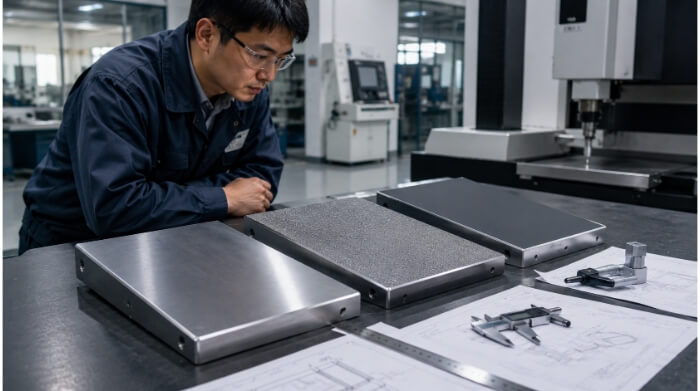
Un tempo la produzione era semplice. Si progettava un prodotto qui e si acquistavano i pezzi al costo più basso. Ma il mondo è cambiato dopo il 2020. I costi di spedizione fluttuano, le tariffe cambiano e la velocità è più importante che mai.
Dovete fare una scelta difficile. Non si tratta più solo di una battaglia tra "economico" e "veloce". Dovete considerare l'intero quadro. Esaminiamo i costi reali della vostra catena di approvvigionamento.

La realtà finanziaria: Prezzo unitario vs. costo totale a terra
Evitate l'errore da principianti di concentrarvi solo sul prezzo di listino. È necessario comprendere il costo completo per far arrivare il pezzo a casa vostra.
La trappola del "prezzo di fabbrica
Molti acquirenti confondono il "Prezzo Preventivo" con il "Prezzo Reale". Quando si confronta un produttore nazionale con un fornitore estero, l'opzione estera appare spesso come la scelta più interessante. Il loro prezzo "franco fabbrica" - il prezzo alla porta della fabbrica - può essere inferiore di 30% o 40%.
Ma la lamiera è pesante. Occupa una quantità considerevole di spazio. Questo problema di fisica cambia la matematica. Per prendere una decisione intelligente, è necessario calcolare il costo totale a terra.
Un esempio del mondo reale: La fascia dei 10 dollari
Analizziamo uno scenario semplice. Immaginiamo di avere bisogno di una tiratura di 5.000 staffe in acciaio inox. Ecco come si sommano i costi.
| Voce di costo | Fornitore d'oltremare | Fornitore locale |
|---|---|---|
| Prezzo unitario (fabbrica) | $10.00 | $14.50 |
| Spedizione e assicurazione | +$1.50 (Oceano) | +$0.10 (Camion) |
| Tariffe e dazi | $2.50 | $0.00 |
| Scarti/lavorazioni | +$0,50 (stimato) | $0.00 |
| Costo di stoccaggio | +$0.80 (Mesi di stock) | +$0.10 (Just-in-Time) |
| COSTO TOTALE REALE | $15.30 | $14.70 |
Osservate attentamente i numeri. Inizialmente il fornitore locale sembrava essere più caro. Sulla carta il prezzo era superiore di 45%. Ma quando si controlla il risultato finale, l'opzione estera costa in realtà $0,60 in più per unità.
E ricordate che questo calcolo presuppone che tutto vada bene. Non tiene conto delle emergenze.
Le "tasse sul panico" nascoste
I fogli di calcolo non mostrano tutto. Due problemi nascosti possono avere un impatto significativo sui vostri profitti se non state attenti.
Il costo del trasporto aereo
La spedizione via mare è lenta. Ci vogliono settimane. A volte le navi subiscono ritardi o i porti sono intasati. Immaginate che la vostra catena di montaggio si fermi perché i pezzi sono bloccati in mare. Non potete aspettare. Per risolvere il problema è necessario ricorrere al trasporto aereo.
Il trasporto aereo è incredibilmente costoso per le parti metalliche pesanti. Una sola spedizione di emergenza può vanificare tutti i risparmi dell'anno. I fornitori locali usano i camion. I camion sono affidabili. Con loro non si corre questo rischio massiccio.
Il costo della liquidità vincolata
Acquistare all'estero richiede tempo. I tempi di consegna sono lunghi, spesso da 8 a 12 settimane. Per essere sicuri di avere un numero sufficiente di pezzi, è consigliabile acquistarne una grande quantità in una sola volta. I pezzi devono essere pagati mesi prima di poter vendere il prodotto finale. Poi bisogna pagare per immagazzinarli.
Questo vincola la vostra liquidità. Non è possibile utilizzare quel denaro per il marketing, le assunzioni o i nuovi progetti. I fornitori locali sono più veloci. Possono consegnare piccoli lotti su base settimanale. Si tratta della cosiddetta consegna "Just-in-Time". In questo modo le scorte sono ridotte e si mantiene un flusso di cassa sano.
I costi
L'approvvigionamento dall'estero è potente. Funziona benissimo per volumi elevati di pezzi piccoli e semplici.
Tuttavia, per molti progetti, l'opzione locale è spesso la scelta più intelligente. Se i pezzi sono grandi, pesanti o complessi, la scelta locale è spesso la migliore. La scelta "costosa" è spesso quella più economica alla fine.
La velocità è più che una semplice spedizione
La rapidità di consegna è ottima, ma la rapidità di risoluzione dei problemi è ancora più importante. Avete bisogno di un partner in grado di reagire rapidamente quando i progetti cambiano o si verificano problemi.
Il potere di "andare a vedere"
Il controllo della qualità è difficile a distanza. Non è facile risolvere un problema se non lo si vede. I fornitori locali offrono un grande vantaggio in questo senso. Potete visitare la fabbrica. Potete stare in officina. Potete osservare gli utensili insieme all'operatore. Potete risolvere un problema in pochi minuti.
I fornitori all'estero sono diversi. Si devono affrontare i fusi orari. Ci si trova di fronte a barriere linguistiche. Per rispondere a una semplice domanda potrebbero volerci tre giorni. Potreste svegliarvi con un'e-mail contenente cattive notizie. Questo rallenta tutto.
Il valore dell'iterazione rapida
Raramente i nuovi prodotti funzionano perfettamente al primo tentativo. Si progetta. Si testa. Si corregge. Questo processo si chiama iterazione. Immaginate di trovare un difetto nel vostro prototipo.
- Con un fornitore locale: Martedì si invia un nuovo file CAD. Giovedì si riceve l'ultimo pezzo. Si continua a lavorare.
- Con un fornitore d'oltremare: Si invia il file. Si attendono due settimane per il campione. Arriva. È ancora sbagliato. Si attendono altre due settimane.
Questo ritardo uccide i progetti. I negozi locali vi permettono di fallire velocemente e di risolvere il problema più rapidamente. Questo vi aiuta ad arrivare sul mercato prima dei vostri concorrenti.
Proteggere il vostro duro lavoro
Il vostro progetto è di vostra proprietà. Dovete assicurarvi che il vostro fornitore rispetti la vostra proprietà e mantenga la sicurezza dei vostri dati.
Il rischio del "Ghost Shift"
Si inviano disegni dettagliati al fornitore. Gli inviate il DNA del vostro prodotto. In alcuni Paesi, le leggi non proteggono adeguatamente la proprietà intellettuale. Esiste un rischio chiamato "Ghost Shift".
Ecco come funziona. La fabbrica fa il turno di giorno per voi. Realizza i vostri prodotti. Li spediscono a voi. Poi fa il turno di notte. Utilizzano i vostri utensili. Fanno lo stesso prodotto. Ma lo vendono a qualcun altro. Oppure lo vendono sul mercato libero a metà prezzo.
Sicurezza legale
I fornitori locali operano secondo le leggi che conoscete. Un accordo di non divulgazione (NDA) è forte qui. Potete farlo rispettare.
Se un negozio locale ruba il vostro disegno, potete portarlo in tribunale. Il sistema legale vi protegge. Questo vi dà tranquillità. È più sicuro tenere i progetti proprietari e i segreti commerciali vicino a casa.

Seguire le regole e le strategie di miscelazione
Alcuni settori hanno regole severe. Non si può guardare solo al cartellino del prezzo. Analizziamo quando la legge decide per voi e come utilizzare una strategia mista.
Quando le regole contano più del prezzo?
Per alcuni prodotti, il luogo di acquisto è importante quanto cosa acquistate. Se lavorate nel settore della difesa, dei dispositivi medici o dei servizi pubblici, siete soggetti a standard severi. Potreste aver bisogno di certificazioni specifiche, come ISO 9001 o UL 508A.
I fornitori nazionali conoscono questi standard. Hanno a che fare con loro ogni giorno. Possono fornire la documentazione necessaria senza problemi.
Conoscere la provenienza del metallo
Si tratta della cosiddetta "tracciabilità". A volte è necessario dimostrare esattamente dove l'acciaio o l'alluminio sono stati estratti e fusi. I produttori locali possono fornirvi un rapporto di prova del mulino (MTR). Questo documento dimostra l'origine del materiale. Crea una chiara traccia cartacea.
Se un pezzo si guasta sul campo, avete bisogno di questa traccia. Tracciare i materiali attraverso una lunga catena di fornitura all'estero è difficile. Crea un rischio di responsabilità. Se non riuscite a dimostrare la qualità del materiale, potreste essere nei guai.
Il modello ibrido: Il meglio dei due mondi
Non è necessario scegliere un solo lato. Si possono usare entrambi. Questa viene definita "strategia ibrida". Molte aziende intelligenti iniziano a livello locale. Utilizzano un negozio vicino per la fase di progettazione. Realizzano prototipi. Correggono gli errori. Realizzano un piccolo progetto pilota.
Una volta che il prodotto è perfetto, si cambia. Se le vendite aumentano e il design rimane stabile, trasferiscono la produzione all'estero per ridurre i costi.
Questo vi dà velocità all'inizio. In seguito, vi dà la possibilità di scalare. Ottenete l'agilità di un partner locale e il vantaggio di prezzo di un partner globale.
La tecnologia colma il divario
I nuovi strumenti facilitano la gestione di questo aspetto. Non è sempre necessario volare dall'altra parte dell'oceano per controllare una fabbrica.
Le piattaforme basate sul cloud consentono di caricare file CAD e di ricevere preventivi all'istante. È possibile utilizzare le videochiamate per ispezionare le strutture. Anche se non è come essere presenti di persona, è utile.
Questi strumenti vi permettono di gestire una catena di fornitura globale dalla vostra scrivania. Potete mantenere il controllo senza dover sostenere costi di viaggio elevati.
Geopolitica e rischi globali
Abbiamo parlato di costi e regole. Ora parliamo delle notizie. La politica e la geografia giocano un ruolo enorme nella vostra catena di approvvigionamento.
Politica e guerre commerciali
Le regole del commercio cambiano rapidamente. Un giorno, importare acciaio è conveniente. Il giorno dopo, viene aggiunta una nuova tariffa che aumenta i costi di 25%. Questo distrugge il vostro margine di profitto da un giorno all'altro. Non è possibile controllare la politica internazionale. Ma si può evitare il rischio.
L'approvvigionamento locale elimina questa variabile. Non dovete preoccuparvi dei tassi di cambio. Non dovete preoccuparvi di nuove tasse di importazione. Si ottiene stabilità. Per i progetti a lungo termine, la stabilità vale la pena di essere pagata.
Quando cambia la Mappa?
Le rotte di navigazione fisiche sono fragili. Una nave rimane bloccata in un canale. Una siccità abbassa il livello dell'acqua. Un conflitto rende insicura una rotta di navigazione.
Questi eventi "Cigno Nero" si verificano sempre più spesso. Quando si verificano, i vostri pezzi si bloccano in mare. Non potete vendere ciò che non avete. I camion locali non devono attraversare gli oceani. Offrono un collegamento sicuro che gli eventi globali non possono facilmente spezzare.
Il costo nascosto del trasloco
Il trasferimento di un progetto da un luogo a un altro non è gratuito. Noi lo chiamiamo "costo di transizione".
La "Valle della Morte
Passare da un prototipo alla produzione di massa è un'impresa rischiosa. Avete un progetto funzionante. Ora volete produrlo all'estero.
Bisogna spostare gli utensili. Bisogna tradurre gli standard di qualità. Bisogna testare la nuova linea. Tutto questo richiede tempo e denaro.
Gli ingegneri spesso sottovalutano questo sforzo. Se non si documenta tutto alla perfezione, la nuova fabbrica fallirà. Un partner locale vi aiuta ad appianare questi problemi prima di tentare la scalata.
Locale o estero: Qual è il percorso giusto per voi?
Qual è il percorso giusto per voi? Utilizzate questa semplice lista di controllo per decidere quale sia il più adatto al vostro progetto specifico.
Scegliere un fornitore nazionale se:
- Il volume è basso/medio: Avete bisogno di flessibilità più che di volume grezzo.
- Il design sta cambiando: State ancora perfezionando il prodotto.
- La velocità è fondamentale: Non potete permettervi ritardi di spedizione di 6 settimane.
- L'IP è sensibile: Avete un brevetto o una tecnologia segreta.
- Le parti sono ingombranti: la spedizione per via aerea o tramite acciaio pesante può incidere significativamente sul budget.
Scegliere un fornitore estero se:
- Il volume è elevato: State producendo migliaia di pezzi dello stesso tipo.
- Il design è congelato: Non cambierete il design per un anno.
- Il tempo è flessibile: È possibile prevedere le vendite e le scorte di magazzino.
- La manodopera è elevata: Il pezzo richiede una quantità significativa di assemblaggio manuale.
Conclusione
Il dibattito è finito. Non si tratta solo di trovare la fabbrica più economica. Si tratta di costruire un'azienda che duri nel tempo. I fornitori esteri sono strumenti potenti per i pezzi standard ad alto volume. Ma i partner locali offrono velocità, sicurezza e protezione.
Non limitatevi a guardare la linea di fondo di un preventivo. Guardate il costo totale. Guardate i rischi. Scegliete il partner più adatto al vostro futuro, non solo al vostro budget.
I vostri componenti devono essere prodotti localmente o all'estero? Inviateci il vostro disegno per un'analisi DFM e dei costi gratuita. Vi daremo i numeri onesti.
Ciao, sono Kevin Lee

Negli ultimi 10 anni mi sono immerso in varie forme di lavorazione della lamiera, condividendo qui le mie esperienze in diverse officine.
Contattate
Kevin Lee
Ho oltre dieci anni di esperienza professionale nella fabbricazione di lamiere, con specializzazione nel taglio laser, nella piegatura, nella saldatura e nelle tecniche di trattamento delle superfici. In qualità di direttore tecnico di Shengen, mi impegno a risolvere sfide produttive complesse e a promuovere innovazione e qualità in ogni progetto.
Risorsa correlata
Giunzioni a pressione nella lavorazione della lamiera: progettazione, costi e qualità
Acciaio 4140 vs. 4130: lavorazione, saldatura e scelta
Rilievi di piegatura della lamiera: dimensioni, forme e regole DFM