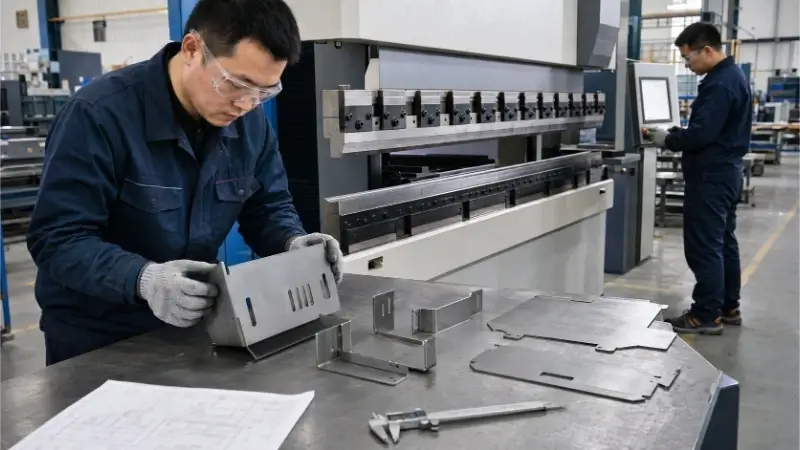
Le custodie per apparecchiature medicali non sono semplici involucri protettivi: sono interfacce che influiscono direttamente su sicurezza, sterilità, longevità, facilità di pulizia e conformità alle normative. Un involucro in lamiera ben progettato può ridurre il rischio di contaminazione, abbreviare i tempi di sterilizzazione, stabilizzare le prestazioni elettroniche e resistere ad anni di pulizia abrasiva in ospedale senza subire guasti.
Con l'evoluzione dell'assistenza sanitaria globale verso dispositivi compatti, portatili e integrati nei dati, la qualità degli involucri non è più un fatto estetico. Influisce sui risultati dei pazienti, sui costi di manutenzione e sull'affidabilità del ciclo di vita delle macchine critiche.
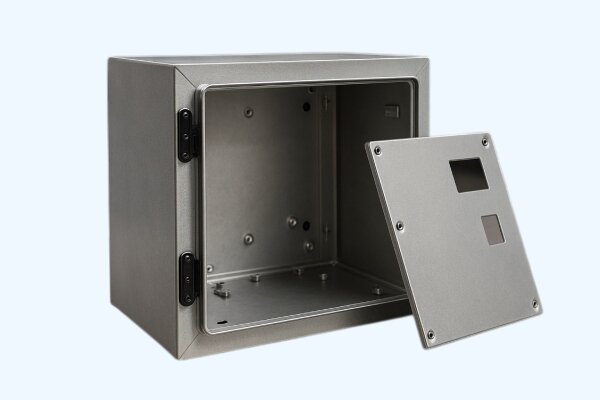
Perché gli involucri in lamiera per uso medicale sono diversi?
Gli ambienti medici sono sottoposti a sollecitazioni che pochi altri settori sperimentano. Le apparecchiature sono sottoposte a disinfezione quotidiana con soluzioni di alcol o perossido, a urti meccanici dovuti al trasporto tra i vari reparti, al contatto continuo con le superfici e a ripetuti cicli di sterilizzazione. Se un involucro trattiene i fluidi, si sfalda il rivestimento o si deforma sotto il calore, il guasto non è solo meccanico: diventa un rischio igienico.
Laddove le custodie standard privilegiano l'aspetto estetico o la protezione di base, le custodie di grado medicale esigono:
| Requisiti | Intervallo tipico di aspettative |
|---|---|
| Superficie liscia e resistente ai batteri | Ra ≤ 0,8 μm per ambienti ad alta sterilità |
| Sopravvivenza alla sterilizzazione ripetuta | ≥ 200 cicli di pulizia senza degradazione del rivestimento |
| Integrità strutturale | Nessuna crepa, deformazione o cedimento della finitura dopo l'esposizione termica |
| Assemblaggio di precisione | Gli spazi di chiusura sono tipicamente <0,2-0,3 mm |
Questi valori servono come linee guida piuttosto che come regole assolute, ma illustrano chiaramente un punto: la progettazione di lamiere medicali deve dare priorità all'igiene, alla struttura e all'estetica.
Selezione dei materiali per prestazioni di livello medico
La scelta del materiale determina il limite massimo di affidabilità della custodia. Ogni lega interagisce in modo diverso con i disinfettanti chimici, le temperature dell'autoclave e l'ossidazione a lungo termine.
Acciaio inox 304 e 316 - Sterilità e resistenza alla corrosione
L'acciaio inox 316 resiste meglio all'esposizione ai cloruri e agli sterilizzanti aggressivi rispetto all'acciaio inox 304, ed è quindi il preferito per i dispositivi chirurgici o a contatto con il paziente. Mantiene la stabilità strutturale anche dopo centinaia di cicli di pulizia e l'elettrolucidatura permette di ottenere finiture antimicrobiche a specchio.
Alluminio - Mobilità leggera con un adeguato trattamento superficiale
Ideale per monitor portatili, strumenti analitici e dispositivi portati dall'infermiere. Si lavora facilmente e si forma in modo accurato, ma richiede anodizzazione o verniciatura a polvere per una durata resistente ai disinfettanti. Gli strati di anodizzazione dura (10-25 μm) migliorano notevolmente la tolleranza all'abrasione.
Titanio e leghe avanzate: Quando il fallimento non è un'opzione".
Utilizzato quando il peso, la longevità e la fatica della sterilizzazione superano il costo. Il titanio resiste ai cicli di sterilizzazione in autoclave senza subire microfratture e offre la massima biocompatibilità tra i materiali tradizionali.
Strutture ibride in lamiera e plastica
Il telaio interno in metallo assicura la schermatura EMI e la rigidità, mentre il guscio esterno in plastica stampata consente di ottenere una forma ergonomica e un peso ridotto. Si tratta di un prodotto sempre più utilizzato per le apparecchiature diagnostiche portatili e i dispositivi medici palmari.
Progettare per la pulizia, la sterilizzazione e l'igiene
La geometria Hygiene-first riduce la contaminazione e accorcia i tempi di sanificazione. Una singola fessura può trattenere i fluidi e una saldatura ruvida può intrappolare le particelle microbiche anche dopo l'esposizione ai prodotti chimici. La pulibilità è un problema di progettazione, non di manutenzione.
Regole chiave per la sterilità:
Evitare cavità profonde, tasche per viti incassate e cuciture sovrapposte.
Sostituire gli angoli a 90° con raggi per eliminare i residui di ancoraggio.
Sfumare le saldature fino a renderle lisce con le dita per eliminare le microfessure.
Mantenere la superficie Ra ≤ 0,8 μm in caso di contatto diretto con il paziente.
Utilizzare pendenze o rilievi di drenaggio nelle aree esposte ai fluidi.
Esempio di scenario di fallimento:
Un angolo saldato non lucidato può intrappolare l'umidità, provocando la formazione di condensa. Dopo 10-20 cicli di sterilizzazione, compaiono segni di ossidazione marrone. Dopo 30-40 cicli, il rischio di ritenzione batterica aumenta, rendendo necessaria una riprogettazione.
Un buon design igienico non sembra più pulito, ma pulisce più velocemente.
Progettazione strutturale per resistenza, stabilità e affidabilità clinica
Un involucro medico deve assorbire le sollecitazioni operative senza deformazioni visibili o affaticamento a lungo termine. I carrelli di trasporto, i monitor portatili e le unità di controllo dell'infusione sono tutti soggetti a vibrazioni, forze laterali e movimentazione da ciclo a ciclo. Un pannello sottile può apparire pulito e minimalista, ma se si flette o si olia sotto pressione, la percezione dell'affidabilità cala immediatamente.
Una buona struttura non dipende dallo spessore, ma dalla geometria ingegneristica.
Pratica di rinforzo meccanico raccomandata:
| Metodo | Quando usare | Benefici |
|---|---|---|
| Bordi flangiati e curve di ritorno | Qualsiasi pannello piatto di grandi dimensioni | Aumenta la rigidità senza aggiungere spessore |
| Irrigidimento interno della staffa | Custodie alte, campate lunghe | Impedisce la flessione durante la manipolazione o il cambio di calore di sterilizzazione |
| Telaio modulare + pelli rimovibili | Apparecchiature ad alta intensità di servizio | Esterno pulito + facile manutenzione |
| Rilievo a coste o forma a U | Costruzioni leggere | Aumento della rigidità con un aumento minimo della massa |
Progettando la rigidità nella forma piuttosto che nello spessore, il contenitore rimane robusto senza sacrificare l'accessibilità alla pulizia o aggiungere peso.
Elementi di fissaggio e strategia di giunzione: un compromesso tra pulibilità e manutenzione
Fissaggio L'approccio determina l'igiene, i costi di assemblaggio e la velocità di assistenza sul campo. Una scelta sbagliata crea trappole per la contaminazione o rende impossibile la calibrazione futura.
Guida alla selezione comparativa:
| Necessità | Soluzione consigliata |
|---|---|
| Accesso interno frequente | Viti imperdibili o chiusure a un quarto di giro |
| Esterno senza cuciture per l'igiene clinica | Saldatura TIG continua + miscelazione lucida |
| Assemblaggio leggero e a basso costo | Ribattini o dispositivi di fissaggio |
| Massima resistenza + interno resistente ai microbi | Guscio completamente saldato con rimozione delle cuciture senza problemi |
Per ridurre al minimo i tempi di pulizia, si devono evitare le chiusure esterne dove le mani e i panni disinfettanti entrano frequentemente in contatto. Se i pannelli di accesso sono obbligatori, gli incavi devono essere poco profondi e radi, non a forma di tasca.
Esempio di scenario di fallimento:
Se le teste delle viti si trovano in tasche profonde 2-3 mm, il liquido disinfettante può ristagnare. Dopo 50-80 cicli di pulizia, si formano residui visibili → segnalati in sede di revisione o di controllo della qualità dell'ospedale.
Precisione dimensionale, tolleranze e controllo della curvatura
La precisione garantisce l'allineamento delle porte, la tenuta delle guarnizioni e la stabilità dell'elettronica. I dispositivi medici si affidano spesso a camere sigillate, sensori ottici o percorsi di messa a terra: nessuno tollera la deriva causata dal ritorno elastico o dal movimento termico.
Tolleranze consigliate per le lamiere di grado medicale:
| Caratteristica | Obiettivo tipico |
|---|---|
| Schemi dei fori di accoppiamento | ±0,08-0,15 mm |
| Angoli formati dopo la piegatura | ±0,2-0,3 mm |
| Fughe di porte/cerniere/chiusure | ≤0,3 mm per una tenuta costante |
| Guarnizione EMI a compressione | 15-25% deformazione per una schermatura stabile |
Il ritorno elastico aumenta con utensili inossidabili sottili e ad alto raggio. I progettisti dovrebbero modellare la compensazione della curvatura in anticipo, non dopo il rilascio dell'utensile.
Ingegneria della distorsione di saldatura e strategia di apporto di calore
Il calore è il nemico numero uno dei pannelli di precisione. Un involucro perfettamente formato può perdere l'allineamento in pochi minuti se la sequenza delle saldature è sbilanciata. Il sottile 304/316 reagisce in modo aggressivo al calore concentrato, deformandosi, tirandosi e torcendosi.
Metodi efficaci di controllo della distorsione:
TIG pulsato per ridurre la concentrazione di calore
Saldature intermittenti dove l'igiene non richiede un'intera giuntura.
Sequenza di saldatura opposta / speculare per l'annullamento delle sollecitazioni
Barre di supporto in rame per l'estrazione del calore e il sostegno del tallone
Raffreddamento naturale ad aria anziché tempra forzata per evitare shock termici.
Se i requisiti igienici richiedono la saldatura di cuciture 100%, la miscelazione post-saldatura deve essere liscia come uno specchio, altrimenti si rischia la ritenzione di batteri da micro-crevatura, indipendentemente dalla sterilizzazione.
Una saldatura continua senza post-miscelazione = falsa sicurezza igienica. Sopravvive alla sterilizzazione, ma può trattenere la contaminazione in modo invisibile.
Schermatura EMI/RFI, architettura di terra e integrazione elettronica
Le custodie mediche non sono più gusci meccanici passivi, ma ambienti elettromagnetici. I dispositivi operano spesso in prossimità di monitor paziente, sistemi di imaging ad alta frequenza, moduli di telemetria wireless, apparecchiature di risonanza magnetica e robot chirurgici. Senza una schermatura mirata, un involucro diventa un'antenna piuttosto che una barriera.
Un involucro di qualità medica deve essere elettricamente continuo, non solo metallico.
Fondamenti di schermatura EMI/RFI
Un involucro di Faraday richiede una conduttività ininterrotta tra i pannelli. Se il percorso di messa a terra si interrompe, la schermatura crolla, anche con pareti metalliche spesse.
Requisiti di progettazione della schermatura:
| Parametro | Obiettivo consigliato |
|---|---|
| Continuità della cucitura conduttiva | ≤10 mΩ resistenza da pannello a pannello |
| Compressione della guarnizione | 15-25% per una tenuta stabile a lungo termine |
| Lunghezza della fessura prima del rischio di perdita | Mantenere <1/20 della lunghezza d'onda della frequenza operativa più alta |
| Franchigia di interferenza del rivestimento | Mascherare i punti di incollaggio quando si usa la vernice in polvere |
Una buona schermatura avviene prima della fabbricazione, mai dopo l'assemblaggio。
Guarnizioni e porte conduttive
Le porte e le aperture sono il punto di rottura #1 per la dispersione di EMI.
Per mantenere l'integrità della schermatura:
Utilizzare guarnizioni a compressione RF nei punti di incontro tra i pannelli.
Passare i cavi attraverso i passanti schermati piuttosto che attraverso i ritagli aperti.
Evitare aperture a forma di fessura in prossimità di antenne o alimentatori di commutazione.
Collegare a terra tutti i pannelli a un singolo nodo invece di collegarli in serie.
Se una superficie polverosa funge da isolante, è necessario progettare in anticipo delle piazzole di messa a terra selettive per metallo nudo: la rettifica dopo il rivestimento introduce detriti, danni da calore e incoerenza.
Disposizione dei cavi e layout interno del PCB
Un layout interno pulito migliora la facilità di manutenzione e riduce il rumore di accoppiamento.
Architettura di cablaggio secondo le migliori pratiche:
- Tenere separate le linee ad alta corrente e HV dai PCB analogici e a basso rumore.
- Aggiungere guide o canaline per i cavi - non affidarsi a imbracature sciolte
- Schermare i cavi di alimentazione CC quando si attraversano zone con sensori o RF.
- Mantenere i corridoi del flusso d'aria per evitare i punti caldi termici.
- Utilizzate piastre di montaggio modulari piuttosto che il fissaggio diretto al telaio
Un interno ben organizzato può ridurre i tempi di risoluzione dei problemi fino a 40-60% negli scenari di assistenza sul campo, migliorando così i tempi di attività dei dispositivi nelle operazioni cliniche.
Scenario di fallimento:
Se le linee di segnale non schermate passano parallelamente ai cavi dell'inverter di potenza, le tracce dell'oscilloscopio possono andare alla deriva o possono comparire disturbi artefatti durante il monitoraggio del paziente. Questo problema è evitabile grazie alla disciplina di instradamento, non ai costi.
Ingegneria della finitura superficiale per la sterilizzazione e la resistenza chimica
I cicli di sterilizzazione sono distruttivi. Degradano i rivestimenti, ossidano i metalli non protetti, ammorbidiscono gli strati di vernice e introducono microfratture invisibili all'occhio. La pulizia degli ospedali comporta:
- Alcool (IPA)
- Perossido (VHP/H₂O₂)
- Composti del cloro
- Temperature dell'autoclave a vapore 120-134°C
Qualsiasi rivestimento che non sia in grado di sopravvivere a 200-300 cicli si guasterà a metà del ciclo di vita.
Scelte di finitura costruite per uso medico:
| Finitura | Sopravvivenza alla sterilizzazione | Note |
|---|---|---|
| Inox elettrolucidato | Eccellente (≈1000+ cicli) | Ideale per dispositivi chirurgici e laboratori biotecnologici |
| Alluminio anodizzato duro 10-25 μm | Forte (200-400 cicli) | Ideale per i sistemi medicali mobili |
| Verniciatura a polvere (grado di temperatura elevato) | Buono (150-250 cicli) | Deve essere evitata una struttura che intrappola i microbi |
| Passivazione (per gli inossidabili) | Migliora la resistenza alla corrosione | Meglio se abbinato a una geometria liscia |
Regola di durata:
Se la pulizia richiede lo sfregamento, il rivestimento deve resistere all'abrasione, non solo all'esposizione chimica.
Attenzione pratica:
I rivestimenti testurizzati riducono l'abbagliamento ma aumentano l'ancoraggio microbico. Utilizzare solo se Ra rimane entro i limiti igienici.
Controllo qualità, tracciabilità e preparazione alle normative
I dispositivi medici operano sotto controllo. Ogni involucro deve essere tracciabile, misurabile e dimostrabile.
La documentazione essenziale del CQ comprende:
- Registrazioni della cronologia dei dispositivi (DHR) per ogni lotto di costruzione
- Tracciabilità del numero di serie/di calore per le lamiere grezze
- Rapporti di ispezione della finitura superficiale e della Ra nel tempo
- Fogli di ispezione delle saldature + registrazioni WPS in sequenza
- Registri di misurazione della resistenza di messa a terra EMI
- Monitoraggio della durata del ciclo di sterilizzazione
Questa documentazione diventa una prova di affidabilità durante gli audit e le verifiche di certificazione.
Conclusione
Progettare un involucro di lamiera per uso medico è molto più che plasmare il metallo in una scatola. State costruendo qualcosa che medici, infermieri e tecnici toccheranno ogni giorno. Un buon involucro si pulisce facilmente, resiste a ripetute disinfezioni, protegge le parti interne e mantiene la sua forma per anni.
Avete bisogno di aiuto per migliorare il progetto della vostra copertura? Se desiderate un feedback sul vostro progetto attuale, inviare il file CAD o PDF. La esamineremo e vi risponderemo con suggerimenti pratici e un preventivo.
Ciao, sono Kevin Lee

Negli ultimi 10 anni mi sono immerso in varie forme di lavorazione della lamiera, condividendo qui le mie esperienze in diverse officine.
Contattate
Kevin Lee
Ho oltre dieci anni di esperienza professionale nella fabbricazione di lamiere, con specializzazione nel taglio laser, nella piegatura, nella saldatura e nelle tecniche di trattamento delle superfici. In qualità di direttore tecnico di Shengen, mi impegno a risolvere sfide produttive complesse e a promuovere innovazione e qualità in ogni progetto.
Risorsa correlata
Materiali per la prototipazione: come scegliere il materiale giusto
Giunzioni a pressione nella lavorazione della lamiera: progettazione, costi e qualità
Acciaio 4140 vs. 4130: lavorazione, saldatura e scelta