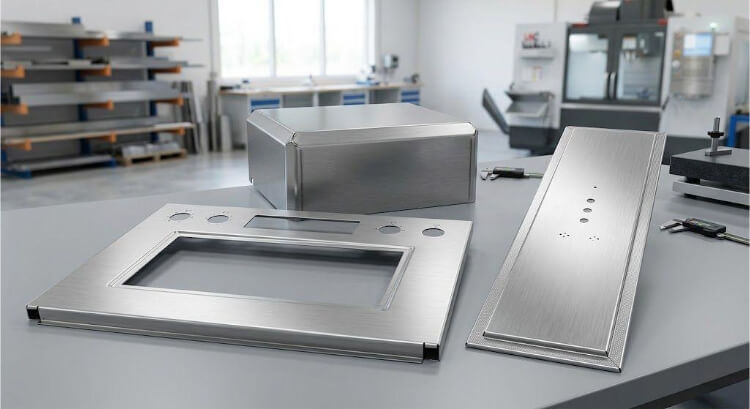
Fingerabdruckbeständiger Edelstahl wird häufig für sichtbare Teile gewählt, die im täglichen Gebrauch sauber bleiben müssen. Er kann dazu beitragen, Flecken zu reduzieren, die Häufigkeit des Abwischens zu verringern und die Oberfläche langfristig stabiler aussehen zu lassen. Aus diesem Grund wird er häufig für Geräte, dekorative Verkleidungen, Gehäuse, Aufzugsinnenräume und andere berührungsintensive Produkte verwendet.
Die Oberfläche sollte jedoch nicht nur nach dem Aussehen beurteilt werden. In den meisten Fällen ist die Fingerabdruckbeständigkeit auf eine Oberflächenbehandlung zurückzuführen, die dem nichtrostenden Stahl hinzugefügt wird. Es handelt sich nicht um eine eigene Stahlsorte. Das bedeutet, dass das Grundmaterial nach wie vor Einfluss auf die Korrosionsbeständigkeit, die Umformungsleistung, die Kosten und die Lebensdauer hat.
Bevor man Preise oder Oberflächen vergleicht, hilft es, mit einer klareren Frage zu beginnen: Was bedeutet eigentlich fingerabdruckresistenter Edelstahl und wie unterscheidet er sich von Standard-Edelstahl?

Was ist fingerabdruckbeständiger Edelstahl und wie unterscheidet er sich von Standard-Edelstahl?
Fingerabdruckbeständiger Edelstahl ist Edelstahl mit einer zusätzlichen Oberflächenbehandlung das hilft, sichtbare Fingerabdrücke, Ölflecken und leichte Verschmutzungen zu reduzieren. Es wird hauptsächlich für Teile verwendet, die im täglichen Gebrauch sauberer bleiben müssen, insbesondere wenn die Oberfläche sichtbar ist und häufig berührt wird.
Was bedeutet "fingerabdruckresistent" in der Regel bei realen Produkten?
Bei realen Produkten bedeutet "fingerabdruckresistent" in der Regel, dass die äußere Oberfläche so behandelt wurde, dass Hautfett weniger auffällt und sich leichter abwischen lässt. Die Behandlung beseitigt nicht alle Flecken. Ihr wirklicher Wert besteht darin, dass die Oberfläche bei normalem Gebrauch länger optisch sauber bleibt.
Das gilt vor allem für die sichtbaren Teile. Eine Platte kann auch dann noch einwandfrei funktionieren, wenn sie Fingerabdrücke aufweist, aber das Produkt kann sehr schnell weniger edel aussehen. Aus diesem Grund wird diese Oberfläche häufig für Gerätetafeln, dekorative Abdeckungen, Gehäuse und die Innenausstattung von Aufzügen verwendet.
Warum handelt es sich um eine Oberflächenbehandlung und nicht um eine neue Edelstahlsorte?
Fingerabdruckbeständiger rostfreier Stahl ist keine eigene Edelstahlfamilie. In den meisten Fällen wird er nach wie vor aus den üblichen Sorten wie 304, 316 oder 430 hergestellt. Der Anti-Fingerprint-Effekt entsteht durch die zusätzliche Oberflächenbehandlung, nicht durch eine andere Metallzusammensetzung.
Dieser Punkt beeinflusst die gesamte Kaufentscheidung. Der Name beschreibt die Oberflächenbeschaffenheit, nicht das gesamte Materialsystem. Der darunter liegende nichtrostende Stahl leistet nach wie vor die Hauptarbeit, so dass die Oberfläche als zusätzliche Schicht und nicht als neue Materialkategorie betrachtet werden sollte.
Was kontrolliert die Basis Edelstahl noch?
Die Oberflächenbehandlung kann das alltägliche Erscheinungsbild verbessern, aber sie ersetzt nicht die Rolle der Grundqualität. Korrosionsbeständigkeit, Umformverhalten, magnetisches Verhalten, Festigkeit und Kosten hängen nach wie vor hauptsächlich vom nichtrostenden Stahl selbst ab.
Aus diesem Grund sollte eine sauberer aussehende Oberfläche nicht mit einer besseren Materialwahl verwechselt werden. Zwei Produkte können beide als fingerabdruckbeständig verkauft werden, aber sie können sich trotzdem sehr unterschiedlich verhalten, wenn sich ihre Basisqualitäten unterscheiden. Die Oberflächenbeschaffenheit verbessert die Kontrolle über die Oberfläche, aber sie macht die richtige Materialauswahl nicht überflüssig.
Warum kann der Name die falsche Erwartung wecken?
Der Begriff "fingerabdruckresistent" klingt stärker, als er tatsächlich ist. Er bedeutet nicht, dass es keine Fingerabdrücke gibt. Er bedeutet auch nicht automatisch eine bessere Kratzfestigkeit, eine bessere chemische Beständigkeit oder eine längere Nutzungsdauer.
Ein besserer Weg, dies zu beurteilen, ist folgender: Standard-Edelstahl bietet die Eigenschaften des Grundmetalls, während fingerabdruckresistenter Edelstahl die Oberfläche zusätzlich verbessert. Diese zusätzliche Schicht kann die visuelle Sauberkeit verbessern, aber sie sollte dennoch als Teil der gesamten Materialentscheidung betrachtet werden, nicht als Abkürzung.
So funktioniert fingerabdruckresistenter Edelstahl?
Fingerabdruckresistenter Edelstahl reagiert auf Hautfett, leichte Feuchtigkeit und den täglichen Kontakt mit der Außenfläche. Die Beschichtung entfernt Fingerabdrücke nicht vollständig. Ihr Hauptzweck besteht darin, diese Abdrücke weniger sichtbar zu machen und sie leichter wegzuwischen, bevor die Oberfläche schmutzig wird.
Wie reduziert die behandelte Oberfläche sichtbare Ölflecken und Verschmutzungen?
Auf Standard-Edelstahl, insbesondere auf glatten oder spiegelnden Oberflächen, kann Hautöl sehr schnell sichtbar werden. Deshalb kann ein sauberes Paneel schon bei normaler Handhabung schmutzig aussehen. Eine fingerabdruckresistente Behandlung hilft, diesen optischen Effekt zu verringern.
In der Praxis wird die Oberfläche so angepasst, dass Flecken nicht so leicht zu erkennen sind. Die Flecken können zwar immer noch vorhanden sein, aber sie sehen in der Regel heller und weniger auffällig aus. Hier schafft die Oberfläche einen echten Mehrwert. Sie trägt dazu bei, dass die sichtbaren Teile zwischen den normalen Wischvorgängen sauberer aussehen.
Warum fingerabdruckresistent nicht gleichbedeutend mit fingerabdrucksicher ist?
Dies ist eines der häufigsten Missverständnisse. Fingerabdruckresistent bedeutet nicht, dass die Oberfläche nach jeder Berührung sauber bleibt. Es bedeutet nur, dass die Oberfläche so beschaffen ist, dass sie im Vergleich zu unbehandeltem Edelstahl weniger sichtbare Abdrücke hinterlässt.
Dieser Unterschied ist bei realen Projekten von Bedeutung. Manche Käufer erwarten, dass die Oberfläche nahezu makellos bleibt, und sind dann enttäuscht, wenn dennoch leichte Flecken auftreten. Eine genauere Erwartung ist, dass die Oberfläche die täglichen visuellen Ablagerungen reduziert, aber keine pflegefreie Oberfläche schafft.
Welche Edelstahlsorte eignet sich am besten für fingerabdruckresistente Oberflächen?
Die Grundqualität des rostfreien Stahls bestimmt immer noch die Korrosionsbeständigkeit, das Umformverhalten, die magnetische Reaktion und die Kosten. Deshalb sollte die richtige Wahl mit der Einsatzumgebung beginnen, nicht mit der Bezeichnung der Oberfläche.
Wann ist 304 der praktische Startpunkt?
Für die meisten sichtbaren Teile im Innenbereich ist 304 in der Regel der praktische Ausgangspunkt. Er bietet ein gutes Gleichgewicht zwischen Korrosionsbeständigkeit, Formbarkeit, Aussehen und Kosten. Daher wird es häufig für Gerätetafeln, Gehäuse, Abdeckungen und allgemeine dekorative Teile im Innenbereich verwendet.
Bei vielen Projekten erfüllt 304 bereits die tatsächlichen Anforderungen. Wenn zusätzlich eine Anti-Fingerprint-Behandlung aufgetragen wird, wird oft ein praktisches Gleichgewicht zwischen einem saubereren Aussehen und angemessenen Materialkosten erreicht. Aus diesem Grund ist 304 in der Regel der sicherere Standard, es sei denn, die Umwelt verlangt eindeutig mehr.
Wann ist 316 die höheren Kosten wert?
316 ist die bessere Wahl, wenn die Umgebung rauer ist. Es eignet sich besser für Teile, die einer höheren Luftfeuchtigkeit, stärkeren Reinigungsbedingungen oder einem größeren Salz- und Chemikalienrisiko ausgesetzt sind. In diesen Fällen ist die Korrosionsbeständigkeit des Grundmaterials wichtiger als das Aussehen der Oberfläche allein.
An dieser Stelle gehen manche Entscheidungen schief. Ein Teil braucht vielleicht eine sauberer aussehende Oberfläche, aber das sollte nicht die gesamte Materialwahl bestimmen. Wenn die Umgebung anspruchsvoller ist, kann 316 die zusätzlichen Kosten wert sein, weil es ein tieferes Leistungsproblem löst, das die Beschichtung nicht lösen kann.
Wo 430 passt und wo es ein Risiko wird?
430 kann eine praktikable Option für einige dekorative Innenanwendungen sein, bei denen die Kosten eine Rolle spielen und die Korrosionsanforderungen geringer sind. Er eignet sich für Teile, die in kontrollierten Innenräumen verwendet werden, wo ein akzeptables Erscheinungsbild wichtiger ist als eine höhere Korrosionsbeständigkeit.
430 ist jedoch eine riskantere Wahl, wenn die Feuchtigkeit, die Häufigkeit der Reinigung oder die Expositionsbedingungen zunehmen. In diesen Fällen kann die Anti-Fingerprint-Behandlung das Aussehen der Oberfläche zunächst verbessern, aber sie kann nicht bewirken, dass sich eine niedrigere Korrosionssorte wie eine höherwertige verhält.

Wo funktioniert fingerabdruckresistenter Edelstahl am besten?
Fingerabdruckbeständiger Edelstahl funktioniert am besten, wenn die Oberfläche sowohl sichtbar ist als auch häufig berührt wird. In diesen Fällen können Fingerabdrücke und Wischspuren die Beurteilung des Produkts verändern, auch wenn die Funktion nicht beeinträchtigt wird.
Berührungsintensive Oberflächen, auf denen schnell Schmutzflecken entstehen
Diese Oberfläche eignet sich hervorragend für Bereiche, die häufig berührt werden, wie z. B. Gerätetüren, Schalttafeln, Aufzugsinnenräume und nach vorne gerichtete Geräteabdeckungen. Diese Oberflächen werden häufig angefasst, so dass Standard-Edelstahl schnell abgenutzt aussehen kann.
Bei diesen Anwendungen ist der Wert der Beschichtung sofort ersichtlich. Sie trägt dazu bei, dass die Oberfläche zwischen den normalen Abwischvorgängen sauberer aussieht und verlangsamt die sichtbare Ablagerung von Fingerabdrücken bei täglichem Gebrauch.
Dekorative Teile, bei denen es auf visuelle Konsistenz ankommt
Fingerabdruckbeständiger rostfreier Stahl eignet sich auch gut für dekorative Anwendungen, bei denen ungleichmäßige Markierungen das Gesamtbild beeinträchtigen. Große sichtbare Paneele, Verkleidungsteile und Abdeckungen aus rostfreiem Stahl zeigen oft leichter Oberflächenabweichungen, da einige Bereiche häufiger berührt werden als andere.
In diesen Fällen trägt die Oberfläche dazu bei, dass das Aussehen gleichmäßiger bleibt. Das kann das Produkt edler aussehen lassen, vor allem wenn die sichtbare Oberfläche Teil der wahrgenommenen Qualität des Produkts ist.
Für die Öffentlichkeit bestimmte Produkte, die zwischen den Wischvorgängen ein sauberes Aussehen benötigen
In öffentlichen oder gewerblichen Einrichtungen werden die Oberflächen vor dem nächsten Reinigungszyklus möglicherweise mehrmals berührt. Das macht die Aufrechterhaltung der visuellen Sauberkeit bei Standard-Edelstahl schwieriger.
Hier erweist sich rostfreier Stahl, der resistent gegen Fingerabdrücke ist, oft als sehr nützlich. Er macht die Wartung zwar nicht überflüssig, aber er kann dazu beitragen, dass das Produkt im täglichen Gebrauch ansehnlicher bleibt.
Ist fingerabdruckresistenter Edelstahl langlebig genug für den realen Einsatz?
Fingerabdruckbeständiger Edelstahl kann im täglichen Gebrauch gute Dienste leisten, doch sollte seine Haltbarkeit mit realistischen Erwartungen beurteilt werden. Die Beschichtung hilft, sichtbare Flecken zu reduzieren, macht die Oberfläche aber nicht immun gegen Kratzer, Abnutzung oder chemische Schäden.
Was hält die Oberfläche im normalen täglichen Gebrauch aus?
Bei normalem Gebrauch in Innenräumen kann die Oberfläche einen klaren visuellen Wert bieten. Auf leicht berührten dekorativen Teilen, Gerätetafeln und sichtbaren Abdeckungen kann sie dazu beitragen, dass die Oberfläche bei regelmäßiger Nutzung sauberer aussieht und leichter abzuwischen ist.
Hier schneidet das Finish in der Regel am besten ab. Sie verbessert das alltägliche Erscheinungsbild, ohne die grundlegende Funktion von nichtrostendem Stahl zu verändern. Bei vielen Produkten für den Innenbereich ist das bereits genug, um die zusätzliche Behandlung zu rechtfertigen.
Was die Lebensdauer der Beschichtung im Laufe der Zeit verkürzen kann?
Die Beschichtung kann nachlassen, wenn die Oberfläche wiederholt gerieben wird, in rauen Kontakt kommt oder aggressiv gereinigt wird. Scheuernde Tücher, stärkere Reinigungsmittel und häufige Handhabung können die Anti-Fingerprint-Wirkung mit der Zeit verringern.
Aus diesem Grund sollte ein gut aussehendes neues Muster nicht als Beweis für eine langfristige Haltbarkeit angesehen werden. Die Oberfläche mag anfangs noch robust aussehen, aber die tatsächliche Abnutzung zeigt sich in der Regel erst später durch wiederholten Gebrauch.
Warum sind die Häufigkeit der Berührungen und die Reinigungsmethode wichtig?
Eine leicht berührte Platte und eine häufig berührte Türoberfläche altern nicht auf dieselbe Weise. Bereiche, die häufig berührt werden, verlieren in der Regel schneller an Stabilität, da sie mehr Hautfett, mehr Wischvorgängen und mehr wiederholtem Kontaktdruck ausgesetzt sind.
Die Reinigungsmethode ist ebenso wichtig. Eine Oberfläche, die mit einem weichen Tuch gereinigt wird, kann viel länger stabil bleiben als die gleiche Oberfläche, die stärkeren Reinigungsmitteln oder härteren Wischgewohnheiten ausgesetzt ist. Mit anderen Worten, die Oberfläche sollte immer im Zusammenhang mit der tatsächlichen Pflege der Oberfläche beurteilt werden.
Welche Probleme bei der Herstellung und Handhabung können die endgültige Oberfläche beeinträchtigen?
Das endgültige Aussehen von fingerabdruckresistentem Edelstahl hängt nicht nur von der Beschichtung selbst ab. Es hängt auch davon ab, wie das Material geschnitten, geformt, montiert, geschützt und durch den Produktionsprozess bewegt wird.
Wie können sich Schneiden, Biegen, Schweißen und Montage auf die Oberfläche auswirken??
Fertigungsschritte können die Oberflächenbeschaffenheit auf sehr praktische Weise verändern. Schneiden können Kantenschäden oder Kontaktspuren hinterlassen. Biegen kann zu lokalen Oberflächenveränderungen führen, insbesondere wenn das Teil während der Umformung grob behandelt wird. Schweißen und Montage können auch Hitzeeinwirkungen, Kratzer oder Handhabungsspuren verursachen, wenn die Prozesse nicht gut kontrolliert werden.
Aus diesem Grund sollten ein flaches Muster und ein fertiges Teil nie so beurteilt werden, als ob sie dasselbe wären. Ein rohes Blech kann sauber und stabil aussehen, aber das endgültige Formteil kann nach der tatsächlichen Bearbeitung ganz andere Oberflächenergebnisse aufweisen.
Warum Randbedingungen und die Handhabung von Operatoren wichtig sind?
Bei der Oberflächenqualität geht es nicht nur um den sichtbaren Hauptbereich. Auch der Zustand der Kanten wirkt sich auf den endgültigen Eindruck aus, insbesondere bei Teilen mit freiliegenden Kanten oder sauberen Zierlinien. Wenn die Kanten rau aussehen, kann das gesamte Teil von geringerer Qualität sein, selbst wenn die Vorderseite akzeptabel aussieht.
Die Handhabung durch den Bediener ist ebenso wichtig. Werden Teile geschleift, unachtsam gestapelt oder ohne ausreichenden Schutz angefasst, können sichtbare Spuren entstehen, bevor das Produkt überhaupt fertig ist. Bei vielen Projekten wirkt sich die Disziplin bei der Handhabung fast genauso stark auf das endgültige Aussehen aus wie die Oberflächenbehandlung selbst.
Wie beeinflussen Schutzfolie, Verpackung und Transport das endgültige Aussehen?
Der Schutz sollte nach der Herstellung fortgesetzt werden und nicht in der Rohmaterialphase enden. Folienschutz, Teiletrennung, Verpackungsmethode und Transportkontrolle haben alle einen Einfluss darauf, ob die Oberfläche den Kunden in gutem Zustand erreicht.
Dies ist besonders wichtig bei großen Platten, Abdeckungen an der Vorderseite und dekorativen Edelstahlteilen. Ein Material kann eine gute Anti-Fingerprint-Beschichtung aufweisen. Wenn es jedoch während der Verpackung und des Transports Kratzer, Druckstellen oder Scheuerschäden aufweist, kann der optische Vorteil schon vor dem Einbau verloren gehen.

Wie man fingerabdruckresistenten Edelstahl vor der Bestellung bewertet?
Ein sauber aussehendes Muster ist ein nützlicher Ausgangspunkt, aber es reicht allein nicht aus. Vor der Bestellung sollten Käufer fingerabdruckresistenten Edelstahl als eine umfassende Material- und Verfahrensentscheidung prüfen.
Prüfen Sie die Bodenbeschaffenheit, bevor Sie die Oberfläche beurteilen
Der erste Schritt besteht darin, die Qualität des nichtrostenden Stahls zu bestätigen. Die Anti-Fingerprint-Schicht kann das Aussehen der Oberfläche verbessern, aber sie ändert nicht das Kernverhalten des Grundmetalls. Korrosionsbeständigkeit, Umformbarkeit und Umwelteignung hängen immer noch von der Sorte ab.
Aus diesem Grund sollte zunächst der Betriebszustand beurteilt werden. Wenn das Grundmaterial für die Aufgabe falsch ist, wird eine sauberere Oberfläche das größere Leistungsproblem nicht lösen.
Bestätigen Sie, welche Anti-Fingerprint-Behandlung tatsächlich verwendet wird
Nicht alle Anti-Fingerprint-Beschichtungen sind gleich. Die Käufer sollten sich erkundigen, welche Art von Behandlung angewandt wird und was sie verbessern soll. Einige Beschichtungen dienen hauptsächlich der optischen Sauberkeit. Andere können nach wiederholtem Abwischen oder täglicher Handhabung stabiler bleiben.
Das ist eine sinnvollere Prüfung als sich nur auf das Etikett zu verlassen. Zwei Materialien können beide als fingerabdruckbeständig verkauft werden, aber ihre tatsächliche Leistung kann dennoch erheblich abweichen.
Überprüfen Sie die Proben nach dem Berühren, Abwischen und der Handhabung
Eine Probe sollte nicht nur in ihrem unberührten Zustand beurteilt werden. Sie sollte auch nach normaler Berührung, Abwischen und Handhabung geprüft werden. So erhält man ein besseres Bild davon, wie sich die Oberfläche im realen Gebrauch verhalten könnte.
Dieser Schritt ist einfach, aber er ist oft wertvoller als ein sauberes Muster im Ausstellungsraum. Eine Oberfläche, die nur vor dem Kontakt gut aussieht, ist viel weniger nützlich als eine, die auch nach normaler täglicher Interaktion visuell stabil bleibt.
Prüfen Sie, ob spätere Fertigungsschritte die Oberfläche beeinträchtigen können.
Selbst wenn das Rohmaterialmuster stabil erscheint, können nachfolgende Produktionsschritte das Ergebnis noch verändern. Käufer sollten prüfen, ob Schneiden, Biegen, Montage, Verpackung oder Transport das endgültige Aussehen beeinflussen können.
Dies ist besonders wichtig für sichtbare Teile. Wenn der Produktionsfluss Kratzer, Flecken oder ungleichmäßige Oberflächenveränderungen verursacht, kann der Antifingerprint-Effekt allein die Qualität des Endprodukts nicht schützen.
Schlussfolgerung
Fingerabdruckbeständiger Edelstahl kann einen echten Mehrwert bieten, aber nur, wenn er richtig bewertet wird. Es handelt sich um eine Oberflächenverbesserung, nicht um einen Ersatz für eine gute Materialauswahl. Der Hauptnutzen ist optischer Natur: Er trägt dazu bei, dass sichtbare Teile bei normalem Gebrauch sauberer aussehen, insbesondere bei Anwendungen, die viel berührt werden und bei denen es auf das Aussehen ankommt.
Bei der Wahl von fingerabdruckbeständigem Edelstahl geht es nicht nur um das Aussehen der Oberfläche. Das richtige Ergebnis hängt von der Grundwerkstoffsorte, der Art der Oberfläche, der Einsatzumgebung und der Art der Herstellung und Handhabung des Teils ab.
Wenn Sie Edelstahlteile für Gehäuse, dekorative Verkleidungen, Gerätekomponenten oder andere sichtbare Produkte in Erwägung ziehen, kann unser Team Ihnen helfen, die Materialauswahl und die Produktionsrisiken vor der Massenproduktion zu prüfen.
Senden Sie uns Ihre Zeichnungen, Anwendungsdetails oder Musteranforderungen. Wir helfen Ihnen bei der Auswahl der richtigen Edelstahlsorte, Oberflächenbehandlung und Herstellbarkeit für Ihr Projekt.
Hey, ich bin Kevin Lee

In den letzten 10 Jahren bin ich in verschiedene Formen der Blechbearbeitung eingetaucht und teile hier coole Erkenntnisse aus meinen Erfahrungen in verschiedenen Werkstätten.
Kontakt aufnehmen
Kevin Lee
Ich verfüge über mehr als zehn Jahre Berufserfahrung in der Blechverarbeitung und bin auf Laserschneiden, Biegen, Schweißen und Oberflächenbehandlungstechniken spezialisiert. Als Technischer Direktor bei Shengen bin ich bestrebt, komplexe Fertigungsherausforderungen zu lösen und Innovation und Qualität in jedem Projekt voranzutreiben.
Verwandte Ressource
Fingerabdruckresistenter Edelstahl: Funktionsweise und Auswahl
OEM vs. Auftragsfertigung: Wie Sie das richtige Modell für Ihr Projekt wählen