غالبًا ما تواجه فرق التصميم تأخيرات أو مشاكل في الجودة لأن كل مجموعة تعمل بمفردها. قد ينهي المهندسون الرسومات دون مراجعة التصنيع، وقد يختار المشترون مواد يصعب إنتاجها. تتسبب هذه الثغرات في حدوث أخطاء مكلفة وتؤخر الجداول الزمنية. تساعد المراجعة متعددة الوظائف على منع حدوث ذلك.
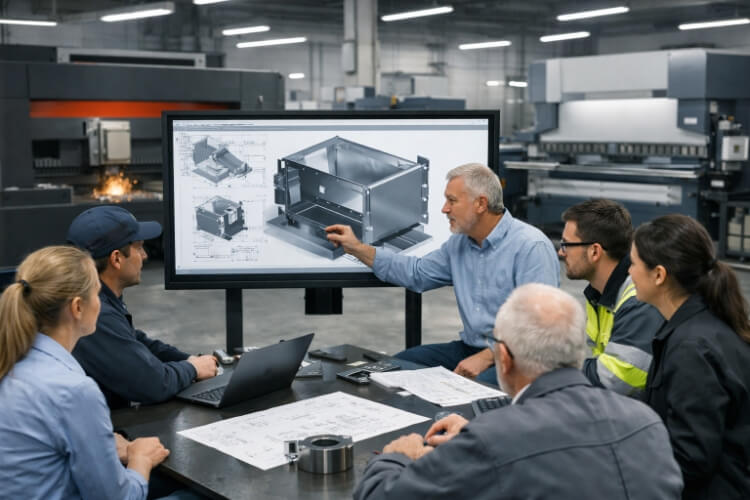
تتيح المراجعة متعددة الوظائف لكل فريق مراجعة التصميم من منظوره الخاص قبل الموافقة عليه. يتحقق مهندسو التصميم من كيفية عمل الجزء وملاءمته. ويراجع مهندسو التصنيع ما إذا كان يمكن صنعه بسهولة. ويتأكد مهندسو الجودة من أن التفاوتات وخطط الفحص منطقية. وتساعد هذه المراجعة المتوازنة على تجنب إعادة العمل وتقصير المهلة الزمنية والحفاظ على ثبات التكاليف.
عندما تتم عملية المراجعة بشكل جيد، فإنها تحول النزاعات المحتملة إلى عمل جماعي. فهي تحول التركيز من إصلاح المشاكل لاحقاً إلى منعها منذ البداية.
لماذا تعتبر المراجعات متعددة الوظائف مهمة؟
تزداد مشاريع الصفائح المعدنية الحديثة تعقيدًا كل عام. وغالبًا ما تجتمع التفاوتات الضيقة والانحناءات المتعددة والمواد المختلفة في جزء واحد. وبدون العمل الجماعي المبكر، يمكن أن تتسبب هذه العوامل بسهولة في حدوث مشاكل أثناء الإنتاج.
تعقيد منتجات الصفائح المعدنية الحديثة
لم تعد منتجات الصفائح المعدنية الحديثة مجرد أقواس أو ألواح بسيطة. فهي غالبًا ما تشتمل على تجميعات محكمة، وتشطيبات سطحية متعددة الخطوات، وواجهات دقيقة مع الإلكترونيات أو الأجزاء الهيكلية. تؤثر كل خطوة من خطوات الثني واللحام والطلاء على العملية التالية. وبدون مراجعة الفريق، يمكن أن تؤدي تفاصيل تصميم صغيرة واحدة إلى حدوث أخطاء في الإنتاج أو تفاوتات في التفاوت تؤدي إلى إعادة التصميم.
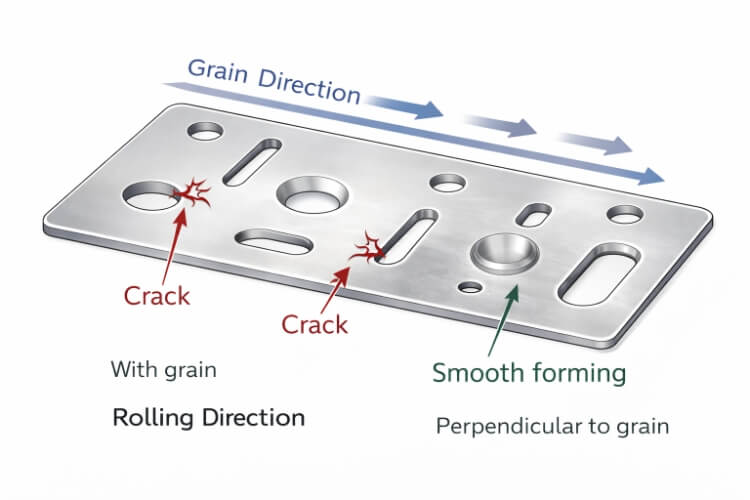
تتعامل الفرق المتمرسة مع كل ميزة كجزء من نظام أكبر. فهم يفهمون كيف يعمل إعداد الأدوات وحدود التشكيل واتجاه حبيبات المواد معًا. تساعد المراجعة المنظمة بشكل جيد على تحويل التعقيد إلى وضوح من خلال تحديد كيفية دعم كل عملية للمنتج النهائي.
حالات انقطاع الاتصال الشائعة بين التصميم والإنتاج
غالبًا ما يركز المصممون على الهندسة والوظيفة. تفكر فرق التصنيع في التشكيل وعمر الأدوات وسرعة الإنتاج. ويركز مهندسو الجودة على طرق القياس والتحقق. عندما تظل هذه المنظورات منفصلة، تظهر الأخطاء بعد فوات الأوان. قد تتسبب المسافات الضيقة بين الثقوب في كسر الثقب، وقد يتطلب استخدام مواد غير قياسية إعدادات لحام جديدة.
تعمل المراجعات متعددة الوظائف على سد هذه الفجوات في وقت مبكر. فهي تمنح كل فريق فرصة لتحدي الافتراضات واقتراح التحسينات معًا. وهذا يقلل من إعادة العمل والتكاليف غير المتوقعة. لا تؤدي المراجعة المناسبة إلى إبطاء عملية التطوير - بل إنها في الواقع تسرّع من جاهزية الإنتاج من خلال تحويل مخاطر "ماذا لو" إلى حلول عملية واضحة.
كيف يقلل التعاون المبكر من إعادة العمل والوقت المستغرق في العمل؟
يؤدي التعاون المبكر إلى تحويل الملاحظات من التصحيح إلى الوقاية. عندما يقوم التصنيع بمراجعة نماذج التصميم بمساعدة الحاسوب قبل الإصدار، يمكن معالجة مشاكل مثل حجم تخفيف الانحناء أو اتجاه الجزء في وقت مبكر. يمكن للجودة التحقق من إمكانية الوصول إلى نقاط القياس، مما يؤدي إلى تجنب التأخير في الفحص لاحقًا.
على سبيل المثال، خلال إحدى مراجعات سوق دبي المالي، لاحظ فريق التصنيع أن نمط ثقب اللوحة يتداخل مع خط قالب مكابح الضغط. وقد وفر ضبط المسافات عدة أيام من الإعداد ومنع تلف الأداة. يمكن لاكتشافات صغيرة كهذه أن تقلل من الوقت الإجمالي للإنتاج وتجعل التصميم أسهل في الإنتاج. غالبًا ما يمكن لساعة واحدة من المراجعة معًا أن توفر أسبوعًا كاملاً في الورشة.
أصحاب المصلحة الرئيسيون في عملية المراجعة
لا تنجح مراجعة التصميم إلا عندما يشارك الأشخاص المناسبون. فكل فريق يرى الجزء بشكل مختلف، وهذا المزيج من وجهات النظر يحول المفهوم إلى منتج يمكن بناؤه وتكراره.
فرق هندسة التصميم والنمذجة بمساعدة الحاسوب (CAD)
يضع مهندسو التصميم الأساس لكل مشروع. فهم يحددون الهندسة والملاءمة والوظيفة، ويحولون الأفكار إلى نماذج ورسومات ثلاثية الأبعاد. وأثناء المراجعة، يشرحون الهدف من التصميم ويسلطون الضوء على الأبعاد التي تؤثر على الأداء. ويظل المصممون المهرة منفتحين على الاقتراحات، فيقومون بتعديل مسافات الثقوب أو الانحناءات أو أنصاف الأقطار لتتناسب مع ما يمكن أن يتناسب مع التصنيع. تحافظ هذه المرونة على ثبات التقدم مع الحفاظ على الأداء الوظيفي.
مهندسو التصنيع والعمليات
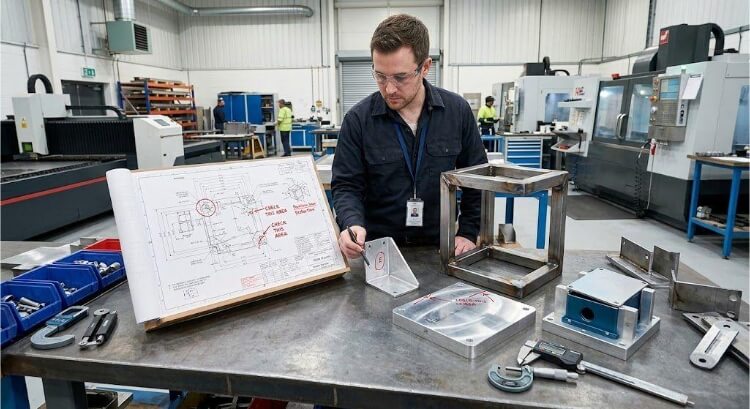
يقوم مهندسو التصنيع بتحويل التصميمات إلى واقع ملموس. فهم ينظرون في كيفية قطع الأجزاء وتشكيلها وتجميعها - ويبحثون عن المشاكل قبل أن تصل إلى أرضية الورشة. ويتحققون من إمكانية الوصول إلى الأدوات وتسلسلات الثني واحتياجات التجهيزات. على سبيل المثال، قد يلاحظون أن شفة صغيرة تحتاج إلى قالب مخصص أو أن قلب اتجاه الانحناء يمكن أن يوفر وقت الإعداد. وتؤدي ملاحظاتهم إلى إبقاء التكاليف تحت السيطرة وتثبيت الإنتاج.
فرق ضمان الجودة والتفتيش
تتأكد فرق الجودة من إمكانية قياس كل ميزة والتحقق منها. فهم يدرسون التفاوتات المسموح بها والأبعاد الرئيسية والوصول إلى الفحص. إذا تم حظر نقطة فحص بعد التجميع، فإنهم يقترحون طرقًا بديلة. ويضمن دورهم أن يفي الجزء النهائي بمتطلبات التصميم ومتطلبات التوثيق. كما تدعم خطة الفحص الواضحة أيضًا اتساق الجودة في عمليات التكرار وعمليات التشغيل الكبيرة الحجم.
أدوار المشتريات وسلسلة التوريد
تقوم فرق المشتريات بتقييم المواد والمصادر. ويتأكدون مما إذا كانت المعادن أو الطلاءات أو الأجهزة المحددة متوفرة أو تحتاج إلى مهل زمنية طويلة. كما أنهم يتتبعون تأثير التكلفة - حيث يمكن أن يؤدي تغيير في تشطيب السطح أو نوع المثبت إلى تغيير الميزانية الإجمالية. تساعد التغذية الراجعة المبكرة من سلسلة التوريد على تجنب النقص وتقليل الطلبات المستعجلة والحفاظ على واقعية خطط التسليم.
مشاركة العميل أو المستخدم النهائي
يضيف إشراك العميل أو المستخدم النهائي رؤية واقعية. حيث يمكنهم تأكيد ملاءمة التجميع واحتياجات الأداء والدروس المستفادة من عمليات الإنشاء السابقة. عندما يقوم المهندسون بمواءمة عملهم مع ملاحظات المستخدم، يكون أداء المنتج النهائي أفضل ويلبي التوقعات الحقيقية. هذا النوع من التعاون يعزز الثقة ويحول المشاريع الفردية إلى شراكات طويلة الأجل.
مراحل المراجعة عبر دورة حياة المنتج
مراجعة واحدة لا تكفي أبدًا لمشروع صفائح معدنية معقدة. فمع انتقال القطعة من الفكرة إلى الإنتاج الكامل، يجب أن يتطور تصميمها وقابليتها للتصنيع وجودتها.
مراجعة المفهوم والجدوى
هذه هي المرحلة التي تلتقي فيها الأفكار مع حدود العالم الحقيقي. الهدف هو التأكد من إمكانية بناء التصميم بالفعل. تقوم الفرق بمراجعة الهندسة وسماكة المواد وتعقيد التشكيل. ويبحث مهندسو التصنيع عن المخاطر مثل السحوبات العميقة التي تتجاوز حمولة الضغط أو زوايا الانحناء التي من المحتمل أن تتشقق. إن اكتشاف هذه المخاطر مبكرًا يمنع إهدار الجهد على تصميمات لا يمكن إنتاجها.
غالبًا ما تقوم الفرق ذات الخبرة بإجراء محاكاة سريعة للمواد أو التشكيل هنا. من الأسهل والأرخص تعديل نموذج CAD الآن بدلاً من إصلاح الأداة لاحقًا.
مراجعة التصميم من أجل قابلية التصنيع (DFM)
وبمجرد أن يبدأ التصميم في التبلور، تضمن مراجعة سوق دبي المالي توافق التفاصيل مع قدرات الإنتاج. يعمل المصممون والمصنعون جنباً إلى جنب لتحسين النموذج. ويتحقق المصنعون من بدلات الانحناءات وتباعد الثقوب واتجاه الجزء. يتحقق مهندسو الجودة من إمكانية قياس النقاط الرئيسية. يراجع المشتريات ما إذا كانت المواد والتشطيبات متوفرة.
على سبيل المثال، قام أحد الفرق بتقليل وقت التجميع بمقدار 151 تيرابايت في 3 تيرابايت ببساطة عن طريق تعديل مواقع الألسنة والفتحات أثناء مراجعة سوق دبي المالي، مما ألغى الحاجة إلى لحامات إضافية. عند القيام بذلك بشكل جيد، يحول سوق دبي المالي النموذج النظري إلى خطة جاهزة للإنتاج.
مراجعة النموذج الأولي والتشغيل التجريبي
في هذه المرحلة، يبدأ الاختبار الحقيقي. تقارن مراجعة النموذج الأولي الأجزاء المصنعة الأولى بالرسومات الخاصة بها، وتتحقق من التسطيح والملاءمة وجودة السطح. إذا احتاج جزء ما إلى قوة للتجميع أو التواء بعد اللحام، يمكن تعديل التصميم أو العملية على الفور.
توفر عمليات التشغيل التجريبية بيانات عملية صحيحة، مثل وقت الإعداد وتآكل الأدوات ومعدلات الخردة. وتغذي هذه الأفكار التصميم لضمان الاستقرار في الإنتاج على نطاق كامل. كل تحسين هنا يمنع إعادة العمل المكلفة لاحقًا.
المراجعة النهائية لجاهزية الإنتاج النهائي
قبل بدء الإنتاج بكميات كبيرة، يجب أن تكون جميع الأنظمة - التصميم والتصنيع والجودة وسلسلة التوريد - متوافقة تمامًا. تتأكد هذه المراجعة النهائية من أن الرسومات مغلقة، والأدوات معايرة، وخطط الفحص جاهزة. تتحقق الفرق أيضًا من جاهزية التعبئة والتغليف والموردين.
بحلول هذه المرحلة، يجب ألا تكون هناك أي مفاجآت متبقية. الهدف بسيط: التأكد من أن كل الدروس السابقة مدمجة في العملية بحيث يبدأ الإنتاج بثقة وتحكم.

معايير المراجعة الأساسية ومجالات التركيز
تبحث مراجعة التصميم الجيد بشكل أعمق من مجرد الرسومات. فهي تتحقق من كل التفاصيل الفنية التي تؤثر على الأداء وقابلية التصنيع والتكرار.
اختيار المواد والتحقق من سماكة المواد
يحدد اختيار المواد مدى قوة الجزء وقابليته للتشكيل والمتانة. تتأكد الفرق من أن الدرجة والسماكة المختارة تناسب كلاً من احتياجات التصميم وقدرة المصنع. على سبيل المثال، قد تحتاج الضميمة غير القابلة للصدأ إلى مقياس أكثر سمكًا لتبقى مسطحة بعد اللحام. يقوم مهندسو التصنيع بمراجعة حدود التشكيل، بينما يتحقق مهندسو المشتريات من التوافر والتكلفة.
التفاوتات المسموح بها وأنماط الثقوب وأنصاف أقطار الانحناءات
تتحكم التفاوتات المسموح بها في كيفية توافق الأجزاء معًا. إذا كانت ضيقة للغاية، يتباطأ الإنتاج وترتفع التكاليف؛ وإذا كانت فضفاضة للغاية، فقد تختل التجميعات. أثناء المراجعة، يقارن المهندسون التفاوتات المسموح بها بدقة الماكينة المطلقة. ويتحققون من تباعد الفتحات وحجم الفتحات وأنصاف أقطار الانحناءات مقابل قدرة الأدوات. يمكن أن يؤدي تعديل بسيط، مثل تغيير نصف قطر 1 مم إلى 1.5 مم، إلى إلغاء خطوة إعداد إضافية ومنع التمزق.
وصلات اللحام والمثبتات وتوافق التجميع
تحدد تفاصيل التوصيل ما إذا كان الجزء سهل البناء أو مصدرًا لإعادة العمل. يتأكد المراجعون من سهولة الوصول إلى اللحامات و مهمات الربط لا تتداخل مع الانحناءأو الطلاء أو الفحص. كما أنها تتحقق أيضًا من ترتيب التجميع - ما إذا كان يمكن ربط الأجزاء دون الإضرار بالأسطح النهائية. على سبيل المثال، غالبًا ما يؤدي اللحام بعد الطلاء إلى إفساد الطلاء، لذا فإن نقل اللحامات في وقت مبكر أو إعادة تصميم الوصلات يوفر وقت الإصلاح.
متطلبات تشطيب السطح والطلاء ووضع العلامات
أ صقل الأسطح يقوم بأكثر من تحسين المظهر - فهو يحمي الجزء ويحدد جودة العلامة التجارية. ينظر المراجعون إلى نوع الطلاء وسماكة الغشاء ومناطق الإخفاء لضمان توافق كل شيء مع المادة الأساسية. ويخططون كيف ستظل أرقام الأجزاء أو الرموز الشريطية أو علامات التتبع قابلة للقراءة بعد الطلاء.
اعتبارات التغليف والنقل
يفقد التصميم الرائع قيمته إذا تعرض للتلف أثناء النقل. تضمن مراجعات التعبئة والتغليف حماية الأجزاء وتكديسها بشكل صحيح ووضع علامات واضحة عليها. قد تحتاج الحواف الحادة أو الألواح المصقولة إلى حشوات ناعمة أو حماية غشاء. تقوم فرق اللوجستيات بمراجعة تخطيط المنصة النقالة وتوازن الوزن لتجنب الانحناء أو الاحتكاك أثناء الشحن.
معايير التواصل والتوثيق
حتى المراجعة الفنية المدارة بشكل جيد يمكن أن تفشل إذا كان التواصل غير واضح. يحافظ التوثيق على مواءمة كل قسم - مما يضمن أن الجميع يستخدم نفس الإصدار، ويتبع نفس الأولويات، ويفهم نفس التحديثات. كما يمنع التوثيق الجيد الارتباك وإعادة العمل والنزاعات بمجرد بدء الإنتاج.
استخدام قوائم المراجعة وقوالب المراجعة
تجعل قوائم المراجعة الموحدة المراجعات متسقة وكاملة. فهي توجه المناقشات حول المواد والتفاوتات, لحام الوصول، والطلاء. تسجل القوالب القرارات بطريقة منظمة - مع الإشارة إلى من أثار كل مشكلة، وما هي الإجراءات التي تم الاتفاق عليها، ومتى يجب القيام بها. عندما يتبع كل مشروع نفس قائمة التدقيق، يتم إغفال تفاصيل أقل، ويصبح من الأسهل تتبع بيانات التحسين بمرور الوقت.
غالبًا ما تقوم الفرق المتمرسة بإنشاء قوائم مراجعة منفصلة لأنواع مختلفة من المنتجات - مثل العبوات أو الأقواس أو الإطارات - للحفاظ على تركيز العملية وملاءمتها لكل عملية بناء.
تتبع المراجعات وتدفق الموافقة على الرسم
يعد وجود مسار مراجعة واضح أمرًا بالغ الأهمية لتجنب الخردة والخلط ومشاكل الضمان. يجب أن يتضمن كل تغيير في الرسم سببًا وتاريخًا وموافقة من المهندسين المناسبين. يجب أن تؤكد جميع فرق التصميم والتصنيع والجودة التحديثات قبل إصدار الملف للإنتاج. تساعد جداول المراجعة والتحكم في الإصدار على ضمان أن الجميع يعمل من الإصدار الصحيح من المستند.
في المشاريع المدارة بشكل جيد، لا ينتقل أي جزء إلى التصنيع دون إرفاق رسم معتمد. وتسمح إمكانية التتبع هذه للفرق بتتبع المشكلات بسرعة إلى نقطة المراجعة والقرار الدقيق، مما يوفر الوقت ويمنع تكرار الأخطاء.
الأدوات التعاونية لمراجعة التصميم الرقمي (CAD أو PLM أو أنظمة تخطيط موارد المؤسسات)
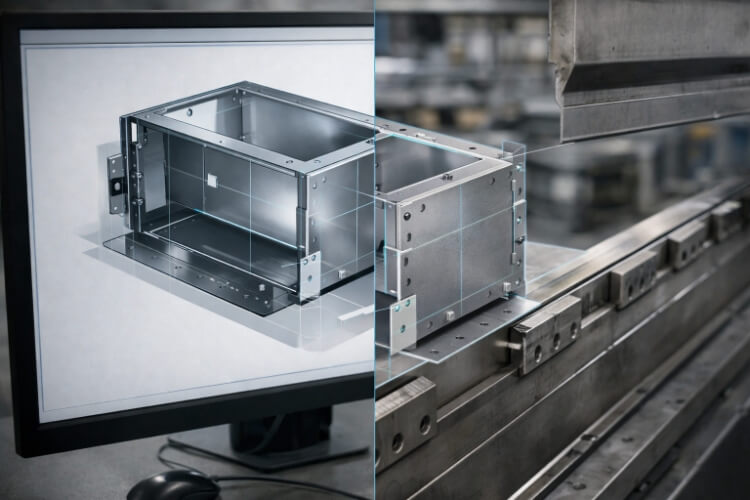
جعلت المنصات الرقمية المراجعات أسرع وأكثر شفافية. تتيح أدوات التصميم بمساعدة الحاسوب الحديثة للمهندسين ترك التعليقات مباشرةً على النماذج ثلاثية الأبعاد، مما يلغي الحاجة إلى سلاسل رسائل البريد الإلكتروني الطويلة. تقوم أنظمة PLM بإدارة الوصول إلى الملفات وتسجيل كل تغيير تلقائيًا. تربط منصات ERP بين بيانات التصميم والمشتريات والإنتاج، مما يجعل جميع الأقسام محدثة في الوقت الفعلي.
عندما يعمل الفريق في مساحة رقمية مشتركة، يرى الجميع نفس الإصدار والأبعاد والحالة. سواء في التصميم أو الجودة أو التصنيع، تعمل هذه الرؤية المشتركة على تحسين التنسيق وتسريع عملية الموافقة وتعزيز المساءلة في المشروع بأكمله.
التحديات الشائعة وكيفية التغلب عليها
حتى مع وجود أنظمة سليمة، لا يزال من الممكن أن تواجه مراجعات التصميم عقبات. تساعد معرفة أين تسوء الأمور عادةً - وكيفية تصحيحها - في تحويل المراجعات إلى جلسات قيّمة لحل المشاكل التي تعمل على تحسين كل مشروع.
عدم توافق الأولويات بين الإدارات
غالبًا ما يركز المصممون على الشكل والأداء، بينما تهتم فرق التصنيع بالكفاءة واستقرار العملية. عندما لا تتوافق هذه الأهداف، يمكن أن تتحول الاجتماعات إلى دفاعية بدلاً من أن تكون مثمرة. يكمن الحل في مواءمة الأولويات في وقت مبكر.
ضع أهدافًا مشتركة للتكلفة والجودة ووقت التسليم. على سبيل المثال، اتفق على نطاق التكلفة المستهدفة أو الحد الأقصى لعدد الانحناءات قبل بدء التصميم. يساعد خط الأساس المشترك هذا كلا الفريقين على اتخاذ القرارات مع وضع نفس الهدف في الاعتبار. عندما يقيس الجميع النجاح بنفس الطريقة، يصبح التعاون أكثر سلاسة وسرعة.
تغييرات التصميم في المرحلة المتأخرة وتأثيرها
حتى التغيير البسيط - مثل حجم الثقب أو زاوية الانحناء - يمكن أن يسبب مشاكل كبيرة إذا جاء بعد اكتمال الأدوات أو البرمجة. يمكن أن تؤثر هذه التحديثات على التركيبات وأدوات الفحص والجداول الزمنية للموردين. وغالباً ما تكلف التغييرات المتأخرة وقتاً ومالاً أكثر مما تبدو عليه.
لإدارة ذلك، تقوم الفرق ذات الخبرة بتعيين نقاط تجميد التصميم وجدولة مراجعات سوق دبي المالي في وقت مبكر. إذا كانت التغييرات لا مفر منها، فإن عملية إشعار التغيير الهندسي الرسمية (ECN) تضمن مراجعتها والموافقة عليها وتوثيقها بشكل صحيح. وهذا يحافظ على التحكم في تدفق الإنتاج وإمكانية تتبعه.
حلقات التغذية الراجعة المحدودة أو الملكية غير الواضحة
بدون ملكية واضحة، يمكن أن تختفي التغذية الراجعة بين الأقسام. ثم تظهر مشاكل الجودة نفسها مرة أخرى عبر مشاريع مختلفة. إن تعيين منسق للمراجعة - غالبًا ما يكون مهندس مشروع أو مهندس تصنيع - يمنع ذلك. يتتبع المنسق كل مشكلة ويحدد المسؤولية ويؤكد إغلاقها قبل الإنتاج.
تساعد مراجعات ما بعد المشروع أيضًا. يمكن للفرق تسجيل الدروس المستفادة وتحديث النماذج أو قوائم المراجعة الخاصة بهم. وبهذه الطريقة، تعمل التجربة مباشرة على تحسين دورة التصميم التالية.
استراتيجيات التحسين المستمر والتوحيد القياسي
تتعامل أفضل الفرق مع عملية المراجعة الخاصة بهم على أنها شيء يتطور، وليست قائمة مرجعية ثابتة. فهم يحللون بانتظام ما الذي نجح بشكل جيد، وما الذي تسبب في التأخير، وأين يمكن أن تساعد الأتمتة أو القوالب.
على سبيل المثال، قامت إحدى الشركات ببناء مكتبة مشتركة لسوق دبي المالي مليئة بأمثلة حقيقية للمشاكل والإصلاحات السابقة. ساعد هذا المورد المهندسين الجدد على التعلم بشكل أسرع وتقليل الأخطاء المتكررة. وبمرور الوقت، حوّلت هذه المعايير عملية المراجعة إلى نقطة قوة - مما أدى إلى تحسين الجودة وتقليص المهل الزمنية وبناء ثقة أقوى لدى العملاء.
خاتمة
تعمل مراجعات التصميم متعددة الوظائف على تحويل الملاحظات المبعثرة إلى عملية شفافة ومشتركة لصنع القرار. كما أنها تسد الفجوة بين الإبداع والتطبيق العملي، مع التأكد من أن التصاميم التي تبدو رائعة على الشاشة تعمل بشكل جيد على أرض الواقع. عندما يساهم كل قسم في وقت مبكر، تصبح المشاريع أسرع وأكثر قابلية للتنبؤ وأسهل في التوسع.
احصل على آراء الخبراء قبل قطع المعادن
تجنّب إعادة العمل المكلفة وعدم اليقين من خلال مراجعة تصميم صفائحك المعدنية من قِبل مهندسي التصنيع الحقيقيين. يمكن لفريقنا تحليل رسوماتك وتحديد مخاطر قابلية التصنيع واقتراح تحسينات على العملية - كل ذلك قبل بدء الإنتاج.
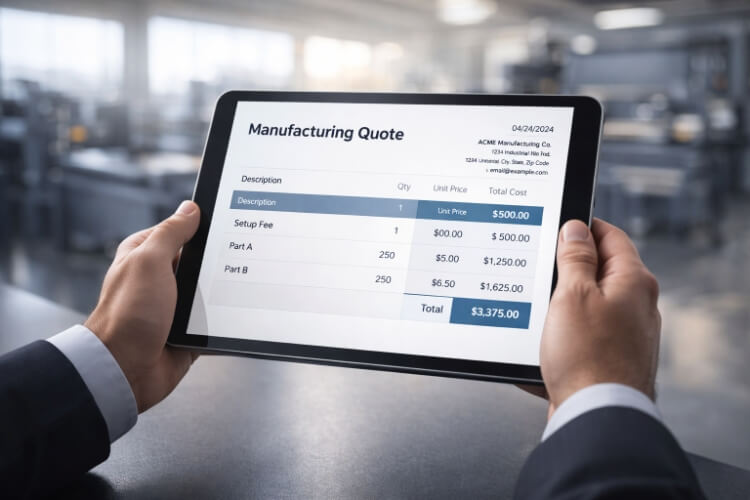
أرسل لنا رسوماتك أو ملفات CAD اليوم للحصول على استشارة مجانية من سوق دبي المالي وعرض أسعار مجاني في غضون 24 ساعة. لنجعل تصميمك جاهزاً للإنتاج من البداية.
الأسئلة الشائعة
من الذي ينبغي أن يقود المراجعة متعددة الوظائف؟
عادةً ما يقودها مهندس مشروع أو مهندس تصنيع. ويقوم بالتنسيق بين التصميم والإنتاج والجودة للحفاظ على وضوح التواصل وتتبع الإجراءات.
كم مرة يجب أن تحدث المراجعات؟
يجب أن تحدث المراجعات في كل مرحلة مهمة - خلال مراحل المفهوم والنموذج الأولي وما قبل الإنتاج - أو كلما حدث تغيير في التصميم يمكن أن يؤثر على الملاءمة أو الشكل أو الوظيفة.
ما الأدوات التي يمكن أن تساعد في المراجعات الرقمية؟
تُمكِّن أنظمة التصميم بمساعدة الحاسوب القائمة على السحابة ومنصات PLM ولوحات معلومات التصميم فرقًا متعددة من مراجعة التحديثات والتعليق عليها والموافقة عليها في الوقت الفعلي. تحافظ هذه الأدوات على التحكم في الإصدار وتجعل التعاون بسيطاً، بغض النظر عن مكان وجود الفرق.
مهلا، أنا كيفن لي

على مدى السنوات العشر الماضية، كنت منغمسًا في أشكال مختلفة من تصنيع الصفائح المعدنية، وشاركت رؤى رائعة هنا من تجاربي عبر ورش العمل المتنوعة.
ابقى على تواصل
كيفن لي
لدي أكثر من عشر سنوات من الخبرة المهنية في تصنيع الصفائح المعدنية، وتخصصت في القطع بالليزر، والثني، واللحام، وتقنيات معالجة الأسطح. كمدير فني في شنغن، أنا ملتزم بحل تحديات التصنيع المعقدة ودفع الابتكار والجودة في كل مشروع.
الموارد ذات الصلة
الفولاذ المقاوم للصدأ المقاوم لبصمات الأصابع: كيف يعمل، وكيف تختار