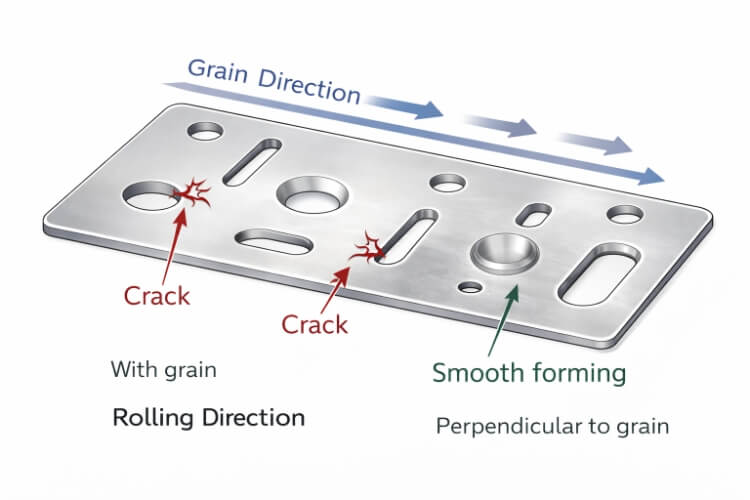
Кастомизация революционизирует проектирование и производство металлических потребительских изделий. От традиционного массового производства отрасль переходит к гибкому, ориентированному на клиента производству. Эти изменения заставляют производителей металлических изделий модернизировать свои системы, оснащая их более интеллектуальными станками, цифровыми инструментами проектирования и гибкими производственными процессами.
Сегодня производство металла используется не только в промышленности. Это часть повседневной жизни потребителей - от мебели и кухонной техники до освещения и домашнего декора. Покупатели ожидают от продукции соответствия их образу жизни, вкусу и функциональности. В такой обстановке способность быстро адаптироваться стала столь же ценной, как и способность эффективно производить.

Сдвиг в сторону персонализированного производства
Металлообработка выходит за рамки унифицированного производства. Растущий спрос на уникальность меняет способы разработки, планирования и поставки продукции, отвечающей индивидуальным потребностям клиентов.
Растущие ожидания потребителей
Потребителям больше не нужна "универсальная продукция". Они ожидают, что их товары будут выглядеть уникально, работать лучше и выражать их личный стиль. Эти ожидания формируют такие отрасли, как декорирование дома, бытовая электроника и оборудование для жизни.
В прошлом изготовление на заказ означало более высокую стоимость и длительные сроки поставки. Но благодаря цифровому производству и гибким цепочкам поставок она стала доступна даже для небольших заказов. Согласно последним рыночным данным, с 2021 года количество запросов на изготовление продукции на заказ в секторе металлических изделий увеличилось на 25%, особенно среди стартапов и нишевых брендов, ориентированных на дизайн.
Например, производитель металлической мебели может позволить клиентам выбирать дизайн ножек, обработка поверхностии толщины материала непосредственно из онлайн-конфигуратора. Как только заказ размещен, производство начинается немедленно. Этот процесс укрепляет доверие клиентов, повышает уровень удовлетворенности и помогает компаниям выделиться на конкурентных рынках.
Почему это важно: По мере развития индивидуального подхода покупатели рассматривают металлические изделия не только как функциональные предметы, но и как личные заявления о качестве и стиле. Удовлетворение этого спроса способствует укреплению идентичности бренда и долгосрочной лояльности.
От массового производства к массовой кастомизации
Традиционное производство ориентировано на эффективность за счет идентичного производства. Это хорошо помогало контролировать затраты, но ограничивало разнообразие вариантов. Теперь же насыщенные рынки и меняющиеся потребительские ценности делают гибкость ключевым преимуществом.
Массовая кастомизация сочетает в себе эффективность массового производства и индивидуальность индивидуальной работы. Для этого на заводах используются модульные конструкции изделий, быстросменная оснастка и цифровые системы управления, позволяющие плавно переходить от одной версии изделия к другой без длительной переналадки.
Для производителей металлических изделий это означает, что они могут предложить множество различных форм, отделок или материалов, не жертвуя при этом постоянством или контролем затрат. Это также позволяет им захватить новые рынки, которые предпочитают короткосерийную или сезонную продукцию.
Почему это важно: Гибкость стала измеримым преимуществом бизнеса. Способность модифицировать линейку продуктов без простоев напрямую повышает рентабельность и конкурентоспособность.
Новая роль мелкосерийного производства и производства по требованию
Развитие производства по требованию меняет подход к управлению запасами и производственными потоками. Вместо того чтобы хранить большие объемы готовой продукции, производители теперь выпускают детали только после подтверждения заказов.
Цифровые файлы дизайна и автоматизированные системы позволяют машинам мгновенно запускать производство. Это минимизирует количество отходов, снижает складские расходы и позволяет быстро обновлять продукцию. Например, бренд светотехники может представлять новые модели каждый месяц, не создавая избыточных запасов.
Такой подход также способствует повышению устойчивости цепочек поставок. Во время недавних глобальных сбоев компании с гибкими системами мелкосерийного производства смогли сохранить объемы производства, в то время как компании, привязанные к массовому производству, столкнулись с длительными задержками.
В то же время цифровые платформы способствуют более плавному взаимодействию с клиентами. Покупатели могут просматривать, корректировать и заказывать дизайн в режиме онлайн, что способствует развитию чувства вовлеченности, укрепляющего их связь с брендом.
Почему это важно: Мелкосерийное производство не только эффективно, но и стратегически важно. Оно помогает производителям чутко реагировать на тенденции рынка, сокращать количество отходов и приводить производство в соответствие с реальным спросом.
Технология как инструмент кастомизации
Современные технологии делают кастомизацию практичной и выгодной. Цифровые инструменты, системы ЧПУ и "умное" производство теперь позволяют создавать гибкие и точные изделия в промышленных масштабах.
Цифровое производство и инновации в области ЧПУ
Цифровое производство произвело революцию в процессе превращения проектов с экранов компьютеров в физические детали. Вместо того чтобы переделывать или перерисовывать чертежи для каждого варианта, инженеры теперь могут загружать новые файлы непосредственно в станки для мгновенного производства.
Сердцем этой системы являются станки с ЧПУ. Они режут, гнут и сверлят с точностью, измеряемой микронами. Многоосевые установки позволяют создавать более сложные формы и более плавные контуры, позволяя создавать креативные конструкции, которые раньше были слишком дорогими или требовали много времени.
Не менее важна связь данных между проектированием и производством. Когда модели САПР напрямую связаны с системами ЧПУ, нет необходимости в ручной передаче данных. Эта цифровая нить обеспечивает прослеживаемость и снижает риск несоответствия между проектным замыслом и готовой деталью.
Почему это важно: Цифровое производство позволяет инженерам переходить от концепции к производству за несколько часов, а не недель. Оно превращает изготовление на заказ из услуги премиум-класса в надежный, повторяемый рабочий процесс.
Умное производство и Индустрия 4.0
Интеллектуальное производство превращает завод в подключенную систему. Машины, датчики и программное обеспечение взаимодействуют в режиме реального времени, повышая эффективность и выявляя проблемы на ранней стадии. Это очень важно при изготовлении на заказ, когда каждый заказ может иметь свои требования к материалу, геометрии или отделке.
Технологии Индустрии 4.0, включая IoT, ИИ и облачное управление, позволяют производителям контролировать производительность на протяжении всего рабочего процесса. Датчики контролируют такие параметры, как скорость резания, износ инструмента и температура. Если что-то выходит за рамки нормы, система может мгновенно внести коррективы или предупредить оператора.
Инструменты искусственного интеллекта добавляют еще один уровень интеллектуальности. Они могут предсказать, когда станкам потребуется техническое обслуживание, предложить наиболее эффективные стратегии резки для новой конструкции или проанализировать производственные данные, чтобы выявить области для улучшения. Исследование, проведенное PwC, показало, что в компаниях, использующих мониторинг процессов на основе ИИ, эффективность повысилась на 20%, а количество брака значительно сократилось.
Почему это важно: Умное производство обеспечивает масштабируемую персонализацию. Благодаря соединению всех этапов - от проектирования до исполнения машины - фабрики могут обеспечить точность, надежность и быстрое реагирование даже при выполнении сложных и малотиражных заданий.
Обеспечение гибкости с помощью технологий
Самое значительное преимущество современных производственных систем - это гибкость. Станки больше не нуждаются в длительной переналадке. Операторы могут переключаться между версиями продукции несколькими щелчками мыши. Лазерные резаки, тормозные станки с ЧПУ и сварочные роботы автоматически адаптируются на основе цифровых инструкций.
Гибкие установки также способствуют проведению экспериментов. Инженеры могут тестировать альтернативные варианты конструкции, изменять параметры и анализировать результаты в режиме реального времени, не останавливая производство. Такая возможность стимулирует инновации при сохранении контроля качества.
Некоторые производители теперь используют интегрированные системы контроля, такие как 3D-сканирование или автоматизированный контроль зрения, для проверки размеров сразу после изготовления. Эти замкнутые системы передают данные о качестве обратно на этап проектирования, повышая точность с каждым производственным циклом.
Почему это важно: Гибкость, обеспечиваемая технологиями, позволяет производителям идти в ногу с меняющимися потребностями и предпочтениями клиентов. Она сокращает количество отходов, ускоряет проверку конструкции и делает изготовление по индивидуальному заказу не специальным запросом, а обычной частью повседневного производства.

Интеграция дизайна и производительности
Хороший дизайн придает индивидуальности смысл. Когда инженеры согласовывают функции, материалы и эстетику, металлические изделия становятся прочнее, надежнее и привлекательнее.
Настройка для обеспечения функциональности
Каждое металлическое изделие служит определенной цели, и изготовление на заказ позволяет инженерам точно определить эту цель. Изменяя формы, допуски или расположение соединений, они могут повысить прочность, уменьшить вес или упростить сборку.
Например, подставка для ноутбука может быть спроектирована под определенным углом, чтобы повысить комфорт и эффективность охлаждения. A металлический корпус могут быть спроектированы с нестандартными монтажными отверстиями, которые идеально совпадают с внутренними компонентами заказчика. Эти практичные детали сокращают время на переделку и сборку.
Почему это важно: Функционально-ориентированная настройка гарантирует, что каждый продукт будет работать именно так, как задумано. Это превращает гибкость конструкции в измеримое улучшение качества.
Выбор материала и поверхности
Материалы и отделка определяют, как выглядит, ощущается и функционирует изделие при ежедневном использовании. Различные металлы обладают неодинаковыми преимуществами, а персонализация позволяет производителям подобрать оптимальный вариант для каждого конкретного случая.
- Нержавеющая сталь Противостоит коррозии и придает чистый, современный вид - идеально подходит для бытовой техники, мебели и медицинских изделий.
- Алюминий Обладает малым весом и легко поддается обработке, благодаря чему часто используется в осветительных приборах, электронике и бытовой технике.
- Латунь и медь Добавляют тепло и визуальную глубину декоративным элементам.
- Титан Прочность и превосходный внешний вид делают его идеальным для элитных дизайнов.
Обработка поверхности - еще одна ключевая область для персонализации. Матовая отделка придает тонкую индустриальную текстуру, а зеркальная полировка обеспечивает изысканный, премиальный вид. Порошковая окраска вносит разнообразие в цвет и защищает от износа.
Почему это важно: Правильно подобранный материал и отделка обеспечивают баланс между производительностью, внешним видом и стоимостью, помогая брендам заявить о своем качестве и одновременно решить функциональные задачи.
Проверка дизайна и создание прототипов
Перед началом производства проверка конструкции гарантирует, что каждая деталь будет соответствовать ожиданиям. С помощью цифровых инструментов инженеры могут смоделировать, как деталь будет гнуться, выдерживать вес или нагреваться, еще до раскроя материала. Это сокращает цикл проб и ошибок и снижает затраты.
Быстрое прототипирование позволяет быстро воплотить дизайн в жизнь. 3D-печать по металлу и обработка с ЧПУ позволяют командам создавать функциональные образцы в течение нескольких дней. Заказчики могут ознакомиться с физическим прототипом, протестировать его в реальных условиях и запросить корректировки до начала производства.
Многие заводы теперь сочетают виртуальное моделирование с опытными испытаниями, создавая непрерывный цикл обратной связи между проектированием, производством и тестированием. Такой подход обеспечивает согласованность, сокращает время выполнения заказа и повышает доверие клиентов.
Почему это важно: Прототипирование сокращает разрыв между дизайном и реальностью. Оно ускоряет процесс принятия решений и способствует сотрудничеству между инженерами и клиентами.
Баланс между эстетикой и производительностью
Кастомизация часто ставит перед инженерами задачу найти баланс между эстетикой и функциональностью. Стильный дизайн должен быть еще и технологичным, долговечным и безопасным. Например, для создания гладкой изогнутой поверхности могут потребоваться специальные гибочные инструменты или более жесткий контроль допусков.
Современные инструменты САПР и моделирования помогают командам найти этот баланс на ранних этапах проектирования. Они позволяют дизайнерам тестировать визуальные варианты при сохранении таких параметров, как жесткость, вес или тепловое поведение.
Почему это важно: Лучшие индивидуальные продукты не идут на компромиссы - они сочетают в себе визуальную привлекательность, функциональную надежность и технологичность в одном дизайне.

Устойчивое развитие в производстве металлических изделий на заказ
Персонализация и экологичность теперь идут рука об руку. Более инновационное использование ресурсов и ответственное производство делают персонализированные продукты одновременно эффективными и экологичными.
Экологически ориентированное производство
Устойчивое развитие начинается с более инновационного использования материалов и энергии. Современные заводы теперь сосредоточены на сокращении отходов и повышении эффективности процессов. Усовершенствованные алгоритмы раскроя оптимизируют раскладку листов, снижая количество металлолома до 20%.
Производители также внедряют сплавы, пригодные для вторичной переработки, и повторно используют остатки материалов для изготовления вторичных деталей. Цифровые системы отслеживают расход материалов и потребление энергии каждой партией, обеспечивая полную прозрачность производственных отчетов. Энергоэффективные станки, такие как волоконно-лазерные резаки и листогибочные прессы с сервоприводом, еще больше снижают энергопотребление при сохранении высокой точности.
Местное и региональное производство дает еще одно преимущество. Производя специализированные товары ближе к конечным потребителям, компании сокращают расстояния доставки, снижают уровень выбросов и быстрее реагируют на изменения спроса.
Почему это важно: Экологически ориентированное производство не только снижает воздействие на окружающую среду, но и укрепляет доверие покупателей, особенно тех, кто ценит ответственный подход к выбору поставщиков и прозрачность операций.
Дизайн для долговечности
Персонализация позволяет изделиям служить дольше, поскольку они изготавливаются для конкретных нужд, а не для усредненного массового рынка. Когда размеры, соединения и материалы соответствуют назначению, детали изнашиваются медленнее и требуют меньшего количества замен.
Многие современные бренды используют модульные металлические конструкции, которые можно не заменять, а модернизировать или ремонтировать. Например, в светильнике, изготовленном на заказ, могут быть сменные панели или монтажные кронштейны, что позволяет клиентам обновить его внешний вид, не выбрасывая весь прибор.
Почему это важно: Проектирование с учетом долговечности поддерживает модель циркулярной экономики, в рамках которой товары ремонтируются, используются повторно и ценятся дольше, что создает как экологические, так и экономические преимущества.
Перспективы бизнеса и цепочки поставок
За каждым изделием, изготовленным на заказ, стоит система планирования и данных. Баланс между гибкостью, масштабируемостью и пониманием потребностей клиентов имеет решающее значение для достижения долгосрочного успеха в современном металлопроизводстве.
Баланс гибкости и масштабируемости
Кастомизация ставит новые задачи: как справиться с многочисленными вариантами продукции без увеличения затрат и снижения эффективности. Решение кроется в гибкой автоматизации и продуманном планировании производства.
На заводах теперь используются быстросменная оснастка, модульные приспособления и интегрированное программное обеспечение для планирования, что позволяет эффективно переключаться с одного вида работ на другой. Роботизированные манипуляторы могут автоматически подстраиваться под различные геометрии деталей, что сокращает время настройки и нагрузку на оператора.
Прочные отношения с поставщиками также имеют значение. Производители, создающие цепочки поставок из нескольких источников, объединяющие глобальных партнеров с местными резервными поставщиками, могут быстрее реагировать на задержки материалов или внезапные обновления дизайна. Такая оперативность крайне важна для обеспечения надежной и прибыльной кастомизации.
Почему это важно: Правильный баланс гибкости и масштабируемости превращает кастомизацию из проблемы затрат в конкурентное преимущество.
Данные и петли обратной связи с клиентами
Цифровые инструменты меняют способы сбора информации о покупателях. Онлайн-конфигураторы фиксируют, какие размеры, отделка и материалы пользуются наибольшей популярностью. ERP- и CRM-системы затем передают эти данные при проектировании и планировании запасов. Со временем фабрики могут предсказать, что захотят покупатели в следующий раз.
Анализ данных также повышает эффективность процессов. Информационные панели в реальном времени показывают производительность производства, расход материалов и статус поставки. Инженеры могут выявлять задержки, оперативно решать проблемы качества и мгновенно делиться с клиентами последними данными.
Многие производители теперь собирают отзывы после продажи непосредственно от покупателей. Замечания о посадке, отделке или удобстве использования анализируются и используются в последующем цикле проектирования. Таким образом, создается непрерывный цикл совершенствования, приводящий производство в соответствие с реальными ожиданиями.
Почему это важно: Данные устраняют разрыв между производством и обслуживанием клиентов. Они превращают кастомизацию в систему обучения, которая совершенствуется с каждым заказом.
Заключение
Изготовление на заказ в сфере металлообработки превращается в сбалансированную систему, объединяющую технологии, устойчивое развитие и понимание потребностей клиентов. Экологически чистое производство сокращает количество отходов. Интеллектуальная автоматизация и модульная конструкция позволяют снизить затраты. Аналитика данных и отзывы клиентов способствуют принятию более эффективных решений.
Производители, придерживающиеся этих принципов, пересматривают представление о ценности продукции: они не просто делают уникальные по внешнему виду изделия, а создают такие, которые служат дольше, работают лучше и соответствуют глобальным целям устойчивого развития.
Хотите сделать свои металлические изделия более гибкими, устойчивыми и ориентированными на клиента? Наша команда инженеров поможет вам проанализировать ваши проекты, предложить варианты материалов и процессов, а также разработать индивидуальный план производства, отвечающий вашим целям. Связаться с нами чтобы начать свой следующий проект уже сегодня.
Привет, я Кевин Ли

Последние 10 лет я занимался различными формами изготовления листового металла и делился здесь интересными идеями из своего опыта работы в различных мастерских.
Связаться
Кевин Ли
У меня более десяти лет профессионального опыта в производстве листового металла, специализирующегося на лазерной резке, гибке, сварке и методах обработки поверхности. Как технический директор Shengen, я стремлюсь решать сложные производственные задачи и внедрять инновации и качество в каждом проекте.
Связанный ресурс
Нержавеющая сталь с защитой от отпечатков пальцев: как это работает и как выбрать
OEM и контрактное производство: Как выбрать правильную модель для вашего проекта
Стоимость установки и стоимость единицы продукции при производстве листового металла