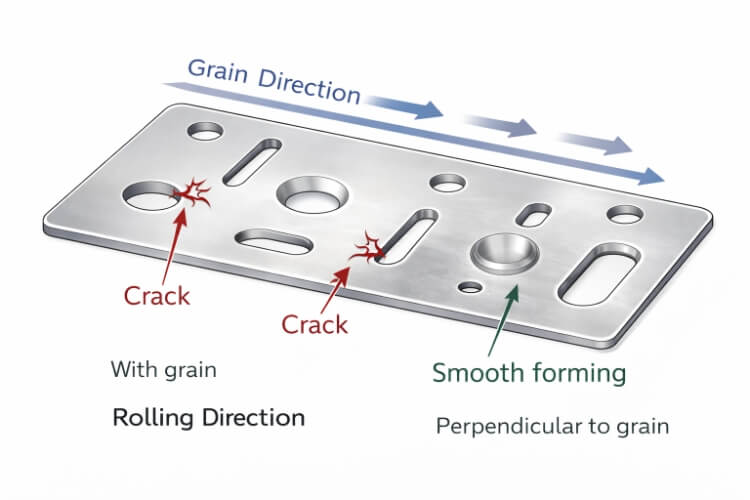
В конструкции небольшого сервопресса длина хода напрямую определяет эффективность и точность процесса формовки. Расстояние, которое проходит плунжер сверху вниз, влияет на все ключевые факторы - глубину формовки, скорость цикла, энергопотребление и срок службы инструмента.
В высокоточных приложениях, таких как электроника, разъемы или миниатюрные кронштейны, выбор правильной длины хода - это не просто механическая настройка. Это инженерный выбор, который позволяет сбалансировать диапазон перемещения, точность управления и эффективность системы. С развитием сервотехнологий оптимизация хода стала жизненно важным шагом в достижении скорости и стабильности работы на небольших прессах.

Понимание хода в сервопрессах
Длина хода - это общее вертикальное расстояние, которое проходит плунжер пресса между верхней мертвой точкой (TDC) и нижней мертвой точкой (BDC). Она определяет пределы формования пресса - насколько далеко может продвинуться плунжер и насколько глубоко он может придать форму детали.
В традиционных механических прессах этот ход фиксирован. Пресс должен пройти весь диапазон за каждый цикл, даже если фактическая глубина формовки мала. Сервопрессы меняют эту ситуацию. Используя электрический серводвигатель, инженеры могут программировать точные положения, скорости и ускорения с точностью до 0,01 мм.
Такая гибкость создает три типа определений хода:
- Полный ход: Полный механический ход плунжера.
- Рабочий ход: Активный сегмент, используемый для формирования или резки.
- Регулируемый ход: Программируемый диапазон подбирается для каждого изделия или высоты штампа, обеспечивая оптимальную производительность.
Современные системы сервоуправления позволяют регулировать эти параметры за считанные секунды с помощью цифрового ввода, что устраняет необходимость в механической модификации. В результате сокращается время настройки, снижается износ механической части и повышается производительность.
Как инсульт влияет на работу прессы?
Ход напрямую влияет на механические характеристики пресса, его эффективность и качество конечной детали.
- Возможность формовки - Более длинные ходы обеспечивают более глубокий диапазон формования, но увеличивают время цикла и расход энергии.
- Скорость и энергоэффективность - Более короткие ходы исключают холостой ход, сокращая время и снижая потребление энергии.
- Точность деталей и срок службы штампов - Правильно настроенные профили хода снижают ударную нагрузку в точке BDC, улучшая стабильность работы и продлевая срок службы инструмента.
Согласно результатам испытаний сервопрессов, проведенных на 2-тонных компактных системах, сокращение хода с 80 мм до 40 мм позволяет повысить эффективность цикла на 35% при снижении энергопотребления до 40% за цикл. Уменьшение хода также снижает вибрацию, что помогает поддерживать плоскостность и жесткие допуски на размеры (в пределах ±0,01 мм).
С практической точки зрения, оптимизация хода - это не выбор "короткого" или "длинного". Речь идет о согласовании движения штриха с формовочной нагрузкой и геометрией детали.
Основные принципы выбора длины штриха
При выборе длины хода для небольшого сервопресса необходимо найти баланс между производительностью, точностью и безопасностью инструмента. При принятии решения руководствуйтесь следующими инженерными принципами.
Подбор штриха к типу применения
Разные процессы требуют разного поведения при ударе:
| Тип процесса | Типичный диапазон хода | Фокус движения | Исход |
|---|---|---|---|
| Заготовка / чеканка | 15-40 мм | Быстрое приближение, точное перемещение | Максимальная скорость, минимальный износ |
| Формовка / гибка | 40-80 мм | Сбалансированное движение и управление | Гибкость при работе с различными типами деталей |
| Глубокая вытяжка / многоступенчатая формовка | 80-120 мм | Медленное формирование вблизи BDC | Уменьшение морщин, равномерная толщина стенок |
Правильный выбор хода гарантирует, что каждый процесс использует минимум движений, необходимых для завершения процесс формования. Это позволяет свести к минимуму время простоя, поддерживая необходимый профиль давления.
Например, скорость сервопресса, производящего небольшие медные клеммы с ходом 30 мм, может достигать 500 ходов в минуту. В отличие от этого, тот же станок с ходом 90 мм для глубокой вытяжки алюминиевых деталей может работать на одной трети скорости - при этом достигается гораздо большая глубина формовки и стабильность материала.
Учет требований к материалам и штампам
При выборе штриха необходимо учитывать прочность, толщину материала и высоту установки штампа, чтобы обеспечить оптимальные результаты.
- Более тонкие и мягкие материалы (например, медь или алюминий) могут полностью сформироваться за более короткий промежуток времени.
- Для более твердых материалов (например, нержавеющей стали) могут потребоваться более длинные ходы и контролируемый профиль скорости, чтобы предотвратить растрескивание.
Не менее важна высота затвора - расстояние между ползуном и болстером, когда плунжер достигает нижней мертвой точки. Если ход слишком короткий, штамп не сможет закрыться должным образом, что может привести к неполной формовке. Слишком длинный ход приводит к трате энергии или чрезмерному износу машины.
Сервопрессы решают эту проблему, используя датчики положения и силы для обнаружения контакта со штампом в режиме реального времени. Система управления автоматически останавливается на запрограммированном пределе формования, предотвращая чрезмерный ход и продлевая срок службы штампа.

Баланс между точностью и производительностью
Инженерам приходится балансировать между двумя конкурирующими целями: скоростью и точностью. Более длинный ход обеспечивает постепенное формование со стабильным распределением давления, но увеличивает время цикла. Более короткий ход увеличивает скорость, но может привести к неполному формованию, если поток материала плохо контролируется.
Технология сервопривода решает этот компромисс благодаря программируемым кривым ускорения. Во время формовки серводвигатель замедляется точно вблизи BDC, создавая "мягкую посадку", которая сохраняет точность формы и минимизирует нагрузку на инструмент.
Исследования в области микроштамповки показывают, что применение контролируемого времени выдержки 50-150 мс вблизи BDC может уменьшить пружинящий откат и улучшить стабильность формы на 20-30% по сравнению с формованием с постоянной скоростью.
Преимущества сервотехнологии в управлении ходом
Сервотехнология дает инженерам новый уровень свободы в определении движений пресса. Такая гибкость позволяет небольшим сервопрессам работать как нескольким машинам в одной, адаптируясь к различным изделиям без необходимости менять оборудование.
Программируемые профили хода и перемещения
Сервопривод позволяет инженерам программировать перемещение с точностью позиционирования до 0,01 мм и профили скорости перемещения с шагом 1 мс. Это означает, что каждая деталь может иметь свой собственный "рецепт" движения.
Например:
- Быстрый подход чтобы сократить холостой ход.
- Медленное формирование вблизи нижней мертвой точки (BDC) для стабилизации потока материала.
- Короткое время пребывания (50-150 мс) для снятия напряжения и сохранения формы.
- Быстрое возвращение чтобы подготовиться к следующему циклу.
Программное обеспечение для управления сервоприводами может сохранять несколько конфигураций хода и автоматически загружать их на основе кода детали или идентификатора штампа, тем самым сводя к минимуму время переналадки.
Такая универсальность позволяет одному 3-тонному сервопрессу выполнять гашение, изгиби неглубокой формовки, не требуя никаких изменений в оборудовании, что позволяет сэкономить часы времени на механическую настройку по сравнению с обычными прессами.
Энергоэффективность благодаря динамическому движению
Энергопотребление - ощутимое преимущество сервоуправления. Традиционные прессы потребляют одну и ту же мощность каждый цикл, поскольку они должны совершать весь механический ход, даже если глубина формовки невелика. Сервопрессы используют только необходимое движение.
Сокращение хода с 80 мм до 40 мм и использование рекуперативного торможения при замедлении позволяет снизить потребление энергии с 0,75 кВт-ч/100 циклов до 0,45 кВт-ч/100 циклов - повышение эффективности на 40%, измеренное на малотоннажных системах.
Такая оптимизация также снижает накопление тепла, механические вибрации и шум, тем самым увеличивая срок службы компонентов.
За полную производственную смену такая оптимизация может сэкономить 8-12 кВт/ч на машину, что эквивалентно нескольким сотням долларов затрат на электроэнергию в месяц в условиях непрерывного производства.

Высокоскоростное реагирование при производстве мелких деталей
Прецизионные электронные и медицинские компоненты требуют как скорости, так и повторяемости. Сервопресс с коротким программируемым ходом (20-40 мм) может достигать 400-600 SPM (ходов в минуту) при сохранении постоянства усилия в пределах ±1%.
Такая высокоскоростная точность достигается благодаря алгоритмам управления вектором крутящего момента, которые регулируют мощность двигателя в режиме реального времени на основе обратной связи с нагрузкой. Поскольку ускорение и замедление программируются независимо друг от друга, система позволяет избежать перерегулирования и вибрации, которые могут деформировать мелкие детали.
При использовании в микроштамповке или производстве разъемов эта стабильность напрямую связана с уменьшением количества брака, сокращением технического обслуживания и увеличением срока службы матрицы.
Ключевые инженерные факторы при выборе штока
Выбор хода - это не только вопрос механического диапазона - он включает в себя взаимодействие силы, перемещения и времени движения для достижения оптимальных результатов. Следующие параметры определяют оптимизацию хода в сервопрессах.
Совместимость высоты затвора и установки матрицы
Высота затвора определяет минимальный зазор между затворной рамой и затвором в точке BDC.
Несоответствие между диапазоном хода и высотой затвора может привести к деформации детали или поломке штампа.
Для поддержания безопасной маржи:
- Соблюдайте зазор 10-15 мм между нижним пределом хода и высотой установки штампа.
- Для предотвращения чрезмерного перемещения используйте функцию электронного останова в программном обеспечении сервопривода.
- Повторно калибруйте высоту затвора после замены матрицы или регулировки износа инструмента.
Сервопрессы с цифровым позиционированием хода автоматически проверяют этот зазор с помощью обратной связи с энкодером, устраняя необходимость в механическом выравнивании методом проб и ошибок.

Зависимость между силой и перемещением
При реальной формовке пресс не прикладывает постоянный тоннаж на протяжении всего хода.
Усилие формования резко возрастает по мере упругости материала и достигает своего пика вблизи BDC, создавая кривую "усилие-перемещение", определяющую степень деформации детали.
Типичная кривая включает четыре области:
- Подход: Легкая нагрузка, быстрые движения.
- Пластическая деформация: Сила резко возрастает.
- Пиковая и жилая зона: Максимальная нагрузка при формовке; скорость замедляется для обеспечения точности.
- Область пружин: Легкое обратное движение для снятия внутреннего напряжения.
Сервоуправление позволяет точно управлять каждой областью.
Инженеры могут формировать кривую, регулируя крутящий момент и скорость двигателя, чтобы максимальное усилие совпадало именно с потребностями потока материала - не раньше и не позже.
Испытания на 1-тонных сервопрессах, формующих детали из нержавеющей стали толщиной 0,6 мм, показали, что синхронизированное управление моментом уменьшило пиковое изменение нагрузки на 18%, увеличив срок службы штампа примерно на 25%.

Оптимизация времени цикла
Каждый лишний миллиметр хода увеличивает задержку. Программирование сервопривода позволяет динамически изменять предел хода между циклами, то есть плунжер перемещается только настолько, насколько этого требует глубина формования.
Такая оптимизация может сократить каждый цикл на 20-30%, что позволяет получить несколько тысяч дополнительных деталей в день на линиях с высокой производительностью. В сочетании с системами синхронизированной подачи сервопрессы могут поддерживать точную синхронизацию даже при изменении длины хода, что исключает напрасные движения и сохраняет точность.
Например, сокращение цикла с 0,6 с до 0,45 с может показаться незначительным, но за 50 000 циклов оно позволяет получить на 12 500 деталей больше за смену при одинаковой потребляемой мощности.
Распространенные ошибки при выборе штрихов
Даже при использовании сервоуправления неправильная настройка хода может привести к потере энергии, повреждению инструмента или задержке производства. Понимание этих ошибок помогает предотвратить неэффективность и поддерживать стабильные результаты формования.
1. Использование одного и того же штриха для каждой операции
Выпуск:
Многие операторы используют ход по умолчанию для всех заданий, независимо от высоты детали или глубины формовки.
Эффект:
Это увеличивает холостой ход, увеличивает время цикла и расходует ненужную энергию.
Поправка:
Определите конкретные предустановки хода для каждого изделия и типа материала. Ход 20 мм для тонкой меди может обеспечить такое же качество формовки, как и ход 80 мм, при сокращении времени цикла на 40%.
2. Переоценка инсульта "для безопасности"
Выпуск:
Операторы увеличивают длину хода, чтобы избежать столкновения инструментов, полагая, что более длинный ход обеспечивает зазор.
Эффект:
Избыточное движение приводит к замедлению циклов и повышенному износу компонентов привода.
Поправка:
Используйте датчики положения сервопривода и электронные ограничители. Они поддерживают безопасный зазор без удлинения движения. Машина останавливается в пределах ±0,01 мм от запрограммированных пределов, исключая механическое перемещение.
3. Игнорирование допуска на высоту затвора и штабеля штампов
Выпуск:
Несоответствие между ходом и высотой штабеля матрицы приводит либо к недостаточной (слишком короткой), либо к чрезмерной (слишком длинной) нагрузке.
Эффект:
Низкое качество деталей, неравномерное давление или растрескивание матрицы.
Поправка:
Повторно откалибруйте высоту закрытия с помощью цифровых показаний сервопривода. Поддерживайте зазор в 10-15 мм за пределами закрытия матрицы для безопасного выталкивания и последовательного формования деталей.

4. Пренебрежение кривой "сила - ход
Выпуск:
Настройка хода основывается только на геометрии, а не на том, как распределяется сила по ходу.
Эффект:
Чрезмерные пиковые нагрузки или неравномерная подача материала могут привести к преждевременному износу матрицы.
Поправка:
Используйте функцию контроля силы и перемещения сервосистемы. Формируя кривую в соответствии с поведением материала, инженеры могут снизить пиковую нагрузку до 20%, стабилизируя точность размеров и увеличивая срок службы штампа.
5. Невозможность повторной оценки хода после смены инструмента
Выпуск:
После технического обслуживания или замены инструмента многие операторы используют прежние настройки хода.
Эффект:
Небольшие изменения размеров могут привести к избыточному давлению или неполному формованию.
Поправка:
Повторно запускайте цикл калибровки хода при каждом изменении оснастки. Сервопрессы с сохраненными данными о движении позволяют быстро и точно повторить этот процесс, обеспечивая постоянную точность настройки.
Сводная таблица: Распространенные ошибки при инсульте и способы их устранения
| Ошибка | Инженерное воздействие | Рекомендуемое действие |
|---|---|---|
| Фиксированный ход для всех заданий | Растрата энергии, замедление циклов | Используйте предустановки штрихов на основе приложений |
| Удлиненный ход "для безопасности" | Снижение скорости, износ деталей | Применяйте цифровой контроль пределов |
| Несоответствующая высота затвора | Повреждение инструмента, плохая формовка | Повторная калибровка после настройки штампа |
| Игнорирование кривой силы | Перегрузка, несоответствие деталей | Настройте движение на зону пиковой нагрузки |
| Отсутствие повторной калибровки после инструментальной обработки | Непоследовательные результаты | Проверяйте ход после каждого изменения |
Заключение
Выбор длины хода - один из наиболее определяющих параметров, определяющих производительность небольших сервопрессов. Он влияет не только на то, как пресс формует металл, но и на то, насколько эффективно он работает и как долго служит оснастка. Хорошо подобранный ход сводит к минимуму бесполезные движения, повышает энергоэффективность и поддерживает точность деталей в пределах жестких допусков.
Стремитесь повысить эффективность формования с помощью компактного сервопресса? Наша команда инженеров поможет вам определить оптимальную конфигурацию хода для ваших материалов и процессов. Свяжитесь с нами сегодня чтобы запросить бесплатный анализ технологичности или обсудить ваш следующий проект сервопресса.
Привет, я Кевин Ли

Последние 10 лет я занимался различными формами изготовления листового металла и делился здесь интересными идеями из своего опыта работы в различных мастерских.
Связаться
Кевин Ли
У меня более десяти лет профессионального опыта в производстве листового металла, специализирующегося на лазерной резке, гибке, сварке и методах обработки поверхности. Как технический директор Shengen, я стремлюсь решать сложные производственные задачи и внедрять инновации и качество в каждом проекте.
Связанный ресурс
Нержавеющая сталь с защитой от отпечатков пальцев: как это работает и как выбрать
OEM и контрактное производство: Как выбрать правильную модель для вашего проекта

Стоимость установки и стоимость единицы продукции при производстве листового металла