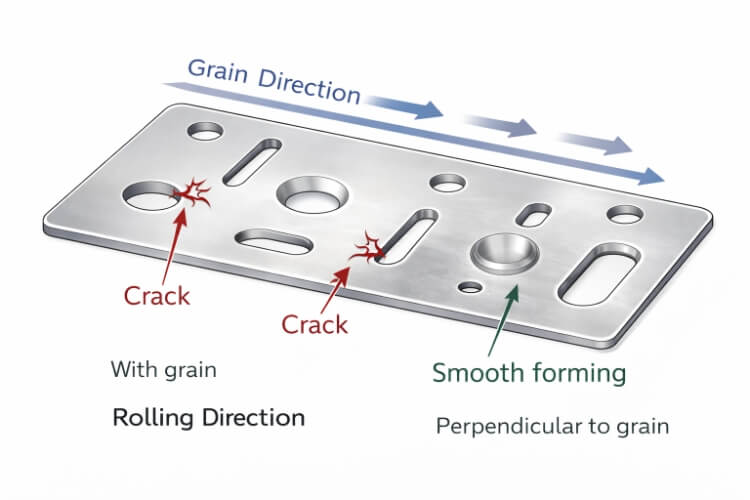
На первый взгляд, низкая цена кажется победой. Вы экономите деньги, укладываетесь в бюджет и двигаете производство вперед. Но спустя месяцы это же "экономное" решение может вернуться в виде бракованных деталей, остановок линии или жалоб клиентов. То, что выглядело эффективным на бумаге, превращается в постоянные расходы, незаметно подрывая прибыль и доверие.
Дешевое производство не просто снижает цены, оно часто переносит затраты в будущее. От слабых материалов до некачественного контроля - каждое упущение имеет долгосрочные последствия. В этой статье мы разберем реальные финансовые последствия "дешевого" производства листового металла и объясним, как защитить свою маржу, не переплачивая.

Почему дешевое производство на самом деле не дешевое".
Низкая цена может показаться заманчивой, особенно когда бюджет ограничен. Но в производстве листового металла "дешево" редко остается дешевым надолго. То, что начинается как быстрая победа, часто превращается в медленное истощение - за счет переделок, простоев и скрытых операционных потерь.
Как краткосрочная экономия может привести к долгосрочным финансовым потерям
Поставщик, предлагающий детали на 10% дешевле, является более разумным выбором. Однако со временем низкое качество материалов, слабый контроль процесса и задержки в поставках могут увеличить общую стоимость проекта на 25-30%. Каждая переделанная партия, задержка поставки или забракованная деталь съедают маржу, которую вы считали сэкономленной.
Каждый опытный менеджер по закупкам знает эту историю: "бюджетный" вариант в итоге отнимает больше времени, труда и логистики, чем когда-либо отнимал бы высококачественный производитель. Низкое предложение может выглядеть как экономия - до тех пор, пока не остановится конвейер и не начнут звонить клиенты.
Проверка реальности: Один доллар, сэкономленный на бумаге, может стоить десяти в виде производственных потерь.
Скрытые затраты, стоящие за стратегиями поиска поставщиков по принципу "побеждает самая низкая цена"
Поставщики, конкурирующие по цене, должны где-то сокращать расходы. Они могут пропустить калибровку, снизить качество материалов или уменьшить частоту проверок. В результате возникают несоответствующие допуски, поверхностные дефекты и сварные швы, разрушающиеся под нагрузкой. Каждый из них приводит к дополнительным проверкам, ремонту или замене оборудования.
За пределами производственного цеха скрытые расходы возрастают многократно: срочные авиаперевозки, сверхурочная работа или штрафы за недопоставку. Когда вы учитываете эти реальные расходы, низкая цена уже не кажется выгодным предложением - она кажется риском.
Procurement Insight: "Самая низкая цена" и "самая низкая стоимость" - это редко одно и то же.
Распространенные заблуждения о дешевых поставщиках листового металла
Многие покупатели полагают, что все мастерские по производству листового металла работают с одинаковыми инструментами и точностью. На самом деле разница между устаревшим прессом и современной системой ЧПУ огромна. Плохо обслуживаемые станки не могут обеспечить стабильные допуски, независимо от квалификации оператора.
Еще одно распространенное заблуждение заключается в том, что сменить поставщика легко. После установки оснастки, приспособлений и стандартов контроля перенос производства означает установку новых штампов, повторную проверку и тестирование - все это требует больших затрат и времени. Самый дешевый поставщик сегодня может заманить вас в дорогостоящий цикл завтра.
Дизайнерский взгляд: Дешевое производство не снижает стоимость - оно лишь откладывает расходы.
Риски, связанные с материалами
Даже если при поставке детали выглядят идеально, скрытые проблемы с материалами могут проявиться спустя несколько месяцев. Низкосортные сплавы, несоответствующий состав или пропущенная обработка поверхности часто приводят к преждевременному выходу из строя, превращая небольшую экономию в долгосрочные обязательства.

Низкосортные металлы и несоответствующий состав сплава
Дешевые поставщики часто используют переработанный или несертифицированный листовой металл для снижения стоимости. Такие материалы могут отличаться от стандартных составов, что приводит к непредсказуемым характеристикам. Например, так называемая нержавеющая сталь 304 может содержать на 10-15% меньше никеля, что ослабляет коррозионную стойкость и снижает пластичность.
Это приводит к серьезным последствиям. Различия в составе сплава приводят к неравномерному изгибу, слабым сварным швам и непредсказуемому усталостному поведению. Когда такие детали используются в узлах или конструкциях, риск отказа резко возрастает - часто уже после того, как продукция попадает к конечному потребителю.
Примечание инженера: Даже снижение содержания хрома на 5% может снизить коррозионную стойкость до 40%.
Более тонкие калибры приводят к деформации и раннему выходу из строя.
Некоторые недорогие мастерские в целях экономии сырья спокойно используют более тонкие листы. Уменьшение всего на 0,2 мм может показаться незаметным, но оно может значительно повлиять на жесткость и несущую способность. Тонкие панели могут деформироваться под давлением, деформироваться при изгибе или треснуть при сборке.
Настоящий ущерб проявляется в процессе эксплуатации - вибрация ослабляет соединения, крепеж прорывает отверстия, а конструктивные элементы теряют центровку. Замена или усиление этих компонентов после установки обходится гораздо дороже, чем их правильное изготовление в самом начале.
Совет дизайнера: При проверке всегда проверяйте фактическую толщину листа, а не только данные, предоставленные поставщиком.
Скрытые проблемы коррозии и усталости в дешевых материалах
В дешевых металлах часто отсутствует надлежащая пассивация, анодированиеили нанесения покрытия, оставляя микроскопические дефекты, которые ускоряют коррозию. Эти дефекты могут быть не видны при осмотре, но быстро усугубляются под воздействием влажности, соли или вибрации.
Например, необработанный алюминий может окислиться в течение нескольких недель, а на стали без покрытия ржавчина появляется еще до прибытия груза. Микротрещины и загрязнения также снижают усталостную прочность, что со временем приводит к разрушению конструкции.
Использование сертифицированных материалов с известных заводов в сочетании с точными требованиями к отделке обеспечивает стабильную работу и долгий срок службы изделий.
Quality Insight: Поначалу материальные ярлыки незаметны, но в реальной работе они всегда всплывают.
Недостатки технологического процесса и оборудования
Даже самый лучший материал может выйти из строя, если он обрабатывается на устаревшем оборудовании или с нарушением технологии. Недорогие мастерские часто запускают станки за пределы калибровки, пропускают профилактическое обслуживание и полагаются на операторов с ограниченной подготовкой.
Устаревшее оборудование и некачественное техническое обслуживание
Старые листогибочные прессы, штамповочные машины и лазерные резаки не могут поддерживать жесткие допуски без надлежащего обслуживания. Тупые пуансоны, ослабленные матрицы или изношенные линейные направляющие вызывают смещение размеров при каждом производственном цикле. Постоянное отклонение в 0,3 мм на изгиб может показаться незначительным, но оно быстро разрушает центровку сборки партии деталей.
Когда эти машины в конце концов выходят из строя, простои нарушают производственные графики. Поскольку дешевые поставщики редко имеют резервные мощности, ремонт задерживает поставки на несколько дней или недель. Эти срывы графика обходятся дороже, чем небольшая предварительная экономия на штрафах и логистике.
Process Insight: Техническое обслуживание $200 предотвращает такие поломки пресса, которые могут уничтожить детали стоимостью $20 000.
Недостаточная точность при резке, гибке и сварке
Точное производство зависит как от квалифицированного труда, так и от калиброванного оборудования. В условиях низких цен и то, и другое часто оказывается под угрозой. Лазерная резка могут оставлять следы ожогов или неровные края из-за загрязнения оптики. Листогибочные прессы могут оставлять следы изгиба при несовпадении матриц. Сварные швы может проявляться пористость при непостоянном контроле потока газа или тепла.
Каждый дефект увеличивает затраты на проверку, доработку или полный отказ. Что еще более важно, слабые сварные швы или несоосность изгибов могут поставить под угрозу безопасность и функциональность изделия. Эти проблемы часто проявляются на поздних этапах производства, когда их устранение обходится дороже всего.
Пример инженерной мысли: Один неправильно расположенный кронштейн в сварном узле может привести к полной переделке приспособления, что добавит две недели и сотни долларов на единицу продукции в виде потерь рабочей силы.
Недостаточное качество обработки поверхности или отделки
Финишная обработка обычно является первым процессом, который сокращается при снижении цен. Дешевые поставщики могут наносить тонкие покрытия, пропускать полировку или торопиться с очисткой. Поначалу детали могут выглядеть хорошо, но через несколько месяцев краска облупляется, покрытие тускнеет или появляются пятна ржавчины.
Плохая отделка поверхности - это не просто косметический дефект. Оно влияет на коррозионную стойкость, электрическое заземление и срок службы изделий. В некоторых случаях оно даже нарушает промышленные стандарты внешнего вида или гигиены, особенно в медицинских или пищевых отраслях.
Совет дизайнера: Укажите в чертежах толщину покрытия, испытания на адгезию и требования к шероховатости поверхности. Устранение недостатков в отделке часто обходится дороже, чем экономия.

Недостатки контроля качества и инспекции
Даже при наличии хорошего оборудования и материалов слабый контроль качества может все испортить. Дешевые поставщики часто снижают частоту проверок, пропускают документацию или фальсифицируют отчеты, что позволяет мелким дефектам перерасти в крупные неудачи.
Минимальная частота проверок или отсутствие отчетов о проверках
Недорогие производства экономят время, проверяя всего несколько деталей на партию. Некоторые полностью пропускают контроль размеров, полагаясь только на визуальный контроль. Это означает, что заусенцы, перекосы или нестандартные отверстия часто остаются незамеченными.
Без надлежащих данных испытаний или отчетов об измерениях у вас не будет возможности отследить источник проблем. При возникновении дефекта невозможно определить, возник ли он из-за вредного материала, износа оснастки или ошибки оператора. Такая неопределенность приводит к медленному устранению неполадок, дорогостоящей доработке и срыву сроков поставки.
Совет по качеству: 5-минутный контроль размеров при настройке позволяет избежать многочасовой доработки в дальнейшем.
Несоответствие международным стандартам
Некоторые недорогие производители работают без признанных сертификатов. Они могут не соответствовать системе качества ISO 9001 или не соблюдать требования RoHS и REACH. Хотя отказ от сертификации снижает их затраты, он перекладывает риск непосредственно на вас.
Несоответствующие требованиям материалы или процессы могут стать причиной таможенных ограничений, неудачных аудитов или даже отзыва продукции. Если деталь содержит запрещенные вещества, такие как свинец или шестивалентный хром, ваш продукт может быть запрещен к экспорту или распространению. Юридические и финансовые последствия могут быть огромными.
Напоминание о соответствии: Всегда проверяйте даты выпуска сертификатов и сверяйте их с данными авторизованных реестров. Устаревшие или подозрительные документы - это тревожный сигнал.
Как мелкие дефекты перерастают в отзыв продукции и гарантийные претензии?
Отдельный дефект может показаться безобидным - небольшое смещение отверстия, неровный сварной шов или неровное покрытие. Но в полевых условиях эти незначительные проблемы превращаются в серьезные сбои. Несоответствующее отверстие вызывает напряжение при сборке; некачественный сварной шов трескается под нагрузкой. Вскоре несколько единиц продукции выходят из строя одинаково, что приводит к гарантийным обязательствам или отзыву.
Согласно отраслевым данным, нерешенные проблемы с качеством могут отнимать 15-25% годовых производственных затрат даже на средних предприятиях. Каждый дефект, избежавший проверки, многократно увеличивает затраты - как в деньгах, так и в доверии клиентов.
Инженерный взгляд: Исправление дефекта в процессе производства стоит $1. Исправление дефекта после отгрузки стоит $100.
Последствия для цепочки поставок и логистики
Риски дешевого производства не ограничиваются производством. Слабые системы логистики, плохая обработка и отсутствие документации могут превратить низкую цену единицы продукции в каскад проблем с доставкой и непредвиденных расходов.
Несвоевременные поставки и задержки в производстве
У дешевых поставщиков часто отсутствуют надлежащие системы календарного планирования и планирования материалов. Они могут вести производство реактивно - начинать работу только после завершения предыдущей или поступления материалов. Когда ломается станок или заканчиваются детали, задержка отражается на всем проекте.
Каждый пропущенный срок увеличивает скрытые расходы: ускоренная перевозка, сверхурочная работа или перенос сроков сборки. В отраслях, где время равно деньгам, одна несвоевременная поставка может стоить в 10 раз больше, чем экономия от более дешевого предложения.
Заметка о цепочке поставок: Экономия в $2 на деталь мало что значит, если ваша сборочная линия простаивает два дня.
Плохая упаковка и высокая степень повреждения при транспортировке
Чтобы сохранить низкие цены, упаковка часто снижается. Тонкая картонная упаковка, неплотная укладка и отсутствие контроля влажности приводят к появлению царапин, загнутых краев или коррозии еще до того, как детали попадут к вам на склад.
Поврежденные изделия задерживают производство, требуют доработки, а иногда приводят к полной замене. В случае порошкового покрытия или матовой отделки даже легкие царапины могут привести к тому, что целые партии будут отправлены в утиль. Надлежащие стандарты упаковки и маркировки являются частью контроля качества, а не дополнительными опциями.
Совет по логистике: Укажите в заказе на поставку детали упаковки, включая толщину коробки, защиту углов и требования к антикоррозийной обработке.
Сложность отслеживания и замены деталей
Прослеживаемость гарантирует, что вы сможете отследить каждую партию до ее сырья и технологических параметров. Дешевые поставщики часто полностью игнорируют эту возможность. Этикетки могут быть написаны от руки или отсутствовать, номера партий не соответствуют счетам-фактурам, производственные записи неполны.
Без прослеживаемости расследование отказов превращается в гадание. Вы не можете определить, какая партия или оператор вызвали проблему, поэтому под угрозой оказывается весь заказ. В гарантийных ситуациях отсутствие документации делает возмещение затрат практически невозможным.
Quality Insight: Надежная система прослеживаемости не увеличивает расходы - она защищает от потери контроля над цепочкой поставок.
Скрытые расходы в жизненном цикле продукта
Реальная стоимость некачественного производства часто проявляется спустя долгое время после окончания производства. Каждая небрежность, допущенная при изготовлении, превращается в постоянные расходы, связанные с ремонтом, простоем и недовольством клиентов.
Увеличение расходов на обслуживание и ремонт для конечных пользователей
Дешевые материалы и низкий уровень мастерства сокращают срок службы изделий. Покрытия отслаиваются, сварные швы трескаются, а тонкие панели прогибаются под нагрузкой. Конечные пользователи сталкиваются с необходимостью частого обслуживания или замены, что увеличивает стоимость владения и наносит ущерб репутации вашего бренда.
Для OEM-производителей каждая замена по гарантии - это скрытые расходы. Исследования в области производства промышленного оборудования показывают, что некачественные компоненты могут увеличить расходы конечного пользователя на техническое обслуживание на 30-40% в первый год эксплуатации. Это не просто технические проблемы - это финансовые обязательства, которые усугубляются с течением времени.
Полевые исследования: Экономия в $5 на производстве ничего не значит, если в следующем году вы потеряете клиента стоимостью $50 000.
Время простоя и потеря производительности из-за отказа компонентов.
Одна неисправная деталь может остановить всю сборочную линию или машину. Замена или ремонт этого компонента прерывает производство, задерживает выполнение заказов и увеличивает количество сверхурочных работ. В таких отраслях, как автомобилестроение, энергетика или автоматизация, один час простоя может стоить тысячи долларов потерянной продукции.
Когда оборудование постоянно выходит из строя из-за некачественных деталей, клиенты начинают сомневаться в надежности и менять поставщиков. Надежность - это не модернизация, это фундаментальный фактор контроля затрат.
Совет по эксплуатации: Нарушения качества не только замедляют работу машин, но и снижают доходы.
Затраты на переделку, перепроектирование и отходы на более поздних этапах производства
Отказы на поздних этапах являются самыми дорогостоящими. Когда дефекты обнаруживаются во время сборки или тестирования, вы не просто устраняете одну проблему - вы восстанавливаете время, оснастку и доверие. Переделка требует дополнительных трудозатрат, на отбраковку уходят материалы, а переделка вообще останавливает производство.
Каждый цикл исправления увеличивает стоимость и задерживает поставку. В рамках всего проекта эти затраты на доработку и отбраковку могут составить 10-15% от общих производственных расходов, что сводит на нет всю экономию от использования дешевых источников.
Совет дизайнера: Если вы заплатите немного больше за проверенное качество заранее, вам не придется повторно платить за одну и ту же ошибку позже.
Стратегическое управление затратами для создания долгосрочной стоимости
Реальная экономия в производстве листового металла достигается за счет контроля, а не компромиссов. Компании, которые ставят во главу угла надежность поставщиков, прозрачность процессов и эффективность жизненного цикла, добиваются стабильного качества и снижения общих затрат с течением времени.
Создание сети поставщиков, ориентированных на качество
Надежное производство начинается с надежных партнерских отношений. Сеть поставщиков, ориентированных на качество, включает поставщиков, которые инвестируют в калибровку оборудования, квалифицированный технический персонал и документированные системы контроля. Такие поставщики обеспечивают стабильные результаты, а не случайные удачи.
Вместо того чтобы менять поставщиков из-за незначительной разницы в цене, сосредоточьтесь на долгосрочном сотрудничестве. Работа с проверенными партнерами способствует взаимопониманию технических требований, уменьшает количество ошибок в общении и повышает скорость реагирования при изменении конструкции. Со временем такая стабильность снижает общую стоимость за счет сокращения задержек и переделок.
Совет по поиску поставщиков: Лучшие поставщики не просто выполняют технические требования - они помогают вам предотвратить проблемы до их возникновения.
Оценка общей стоимости владения (TCO) вместо цены за единицу продукции
Цена за единицу продукции - это лишь часть истории. Общая стоимость владения (TCO) учитывает все расходы в течение всего жизненного цикла продукта, включая транспортировку, доработку, время простоя и гарантийные обязательства.
Деталь, которая на 10% дешевле, может стоить на 40% дороже после добавления логистики и обслуживания. Сравнивая поставщиков, всегда рассчитывайте стоимость "все включено". Высокопроизводительные производители могут брать больше за единицу продукции, но их постоянство, точность поставок и стабильность качества позволяют сэкономить гораздо больше в долгосрочной перспективе.
Procurement Insight: Каждый $1, сэкономленный благодаря контролю качества, предотвращает $10 скрытых затрат на отказ.
Инвестиции в аудит процессов и проверку материалов
Аудиты и проверки - это не накладные расходы, это защита. Регулярные аудиты процессов подтверждают, что оборудование откалибровано, процедуры соблюдаются, а операторы обучены. Проверка материалов гарантирует, что марка металла, толщина и покрытие соответствуют спецификациям до начала серийного производства.
Испытания третьей стороны или предотгрузочные инспекции добавляют дополнительный уровень гарантии. Эти меры могут стоить несколько сотен долларов, но могут предотвратить десятки тысяч долларов убытков. Относитесь к аудиту не как к формальности, а как к основному элементу вашего плана поиска поставщиков.
Quality Insight: Последовательность не возникает случайно - она достигается благодаря регулярным проверкам, проверенным данным и дисциплинированному управлению процессом.
Заключение
Дешевое производство листового металла может обеспечить более низкую цену, но оно редко дает реальную экономию. Со временем скрытые расходы - переделки, гарантийные претензии и простои - всегда всплывают на поверхность. Проблема не только в качестве, но и в предсказуемости. Без контроля процесса, проверенных материалов и подотчетности поставщиков экономия средств исчезает задолго до окончания проекта.
Если ваш следующий проект требует точности, последовательности и отслеживаемого качества, наша команда инженеров готова помочь. Благодаря современному оборудованию и более чем десятилетнему опыту работы с листовым металлом мы обеспечиваем контролируемые процессы и воспроизводимые результаты - от прототипа до серийного производства.
Присылайте нам свои чертежи или RFQ на sales@goodsheetmetal.com. - Мы рассмотрим ваш проект, определим потенциальные риски и предоставим подробное коммерческое предложение в течение 24 часов.
Часто задаваемые вопросы
Каковы наиболее распространенные скрытые расходы при дешевом производстве листового металла?
Переработка, брак и проблемы с качеством на поздних этапах - самые частые скрытые расходы. Их исправление после сборки часто обходится дороже, чем правильное производство деталей с самого начала.
Как эффективно оценить недорогого поставщика?
Запрашивайте отчеты об аудиторских проверках, инспекции образцов и сертификаты проверенных материалов, прежде чем брать на себя обязательства по объему заказа. Настоящие поставщики прозрачны, а дешевые - нет.
Почему более дешевые материалы повышают риск?
Низкосортные сплавы часто имеют непостоянный состав, плохую свариваемость или слабую коррозионную стойкость. Эти проблемы снижают прочность и приводят к раннему выходу из строя.
Какова наилучшая стратегия баланса между ценой и надежностью?
Оценивайте общую стоимость владения (TCO), а не цену за единицу продукции. Включите в нее расходы на доставку, время простоя, обслуживание и гарантийные обязательства - самая низкая цена на бумаге редко означает самую низкую стоимость в целом.
Привет, я Кевин Ли

Последние 10 лет я занимался различными формами изготовления листового металла и делился здесь интересными идеями из своего опыта работы в различных мастерских.
Связаться
Кевин Ли
У меня более десяти лет профессионального опыта в производстве листового металла, специализирующегося на лазерной резке, гибке, сварке и методах обработки поверхности. Как технический директор Shengen, я стремлюсь решать сложные производственные задачи и внедрять инновации и качество в каждом проекте.
Связанный ресурс
Нержавеющая сталь с защитой от отпечатков пальцев: как это работает и как выбрать
OEM и контрактное производство: Как выбрать правильную модель для вашего проекта
Стоимость установки и стоимость единицы продукции при производстве листового металла