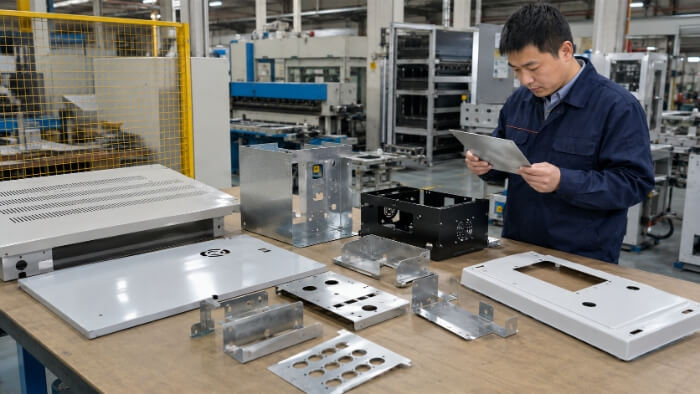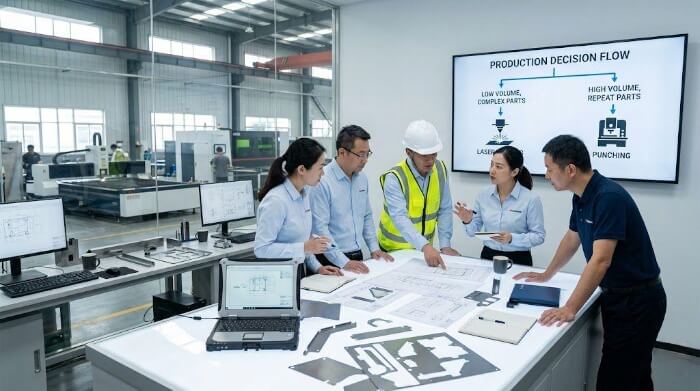
Ao escolher um fornecedor de chapas metálicas, o preço e o prazo de entrega dominam frequentemente a discussão. Mas o que realmente define o sucesso a longo prazo é a capacidade de engenharia de um fornecedor - a sua capacidade de interpretar o seu projeto, optimizá-lo para a produção e fornecer resultados precisos de forma consistente.
Uma forte capacidade de engenharia preenche a lacuna entre a intenção do projeto e a realidade do fabrico. É o que transforma um modelo 3D num produto repetível e de alta qualidade. Numa indústria em que a precisão, o custo e a velocidade de entrega são importantes, o parceiro de engenharia certo pode reduzir os erros, diminuir os custos e evitar redesenhos dispendiosos antes mesmo de a primeira folha ser cortada.

O que significa realmente a capacidade de engenharia?
A capacidade de engenharia é a base da fiabilidade do fabrico. Combina três pilares essenciais:
- Interpretação do projeto - compreender o objetivo funcional subjacente a cada caraterística.
- Experiência em processos - saber como interagem o material, as ferramentas e as tolerâncias.
- Agilidade na resolução de problemas - prever e prevenir problemas de fabrico.
Os engenheiros de um fornecedor capaz analisam todos os detalhes do desenho - desde a distância entre o furo e a dobra até à direção do grão - para garantir que as peças encaixam perfeitamente durante a montagem. Por exemplo, as peças de aço inoxidável com espessura superior a 2 mm requerem frequentemente uma compensação do raio de curvatura entre 1,5-2× a espessura do material para evitar fissuras. Um fornecedor que reconheça este pormenor garante uma precisão dimensional a longo prazo e um retrabalho reduzido.
Em suma, a verdadeira capacidade não tem a ver com o facto de possuir máquinas caras - tem a ver com a inteligência com que essas máquinas são programadas, configuradas e controladas.
Porque é que muitos compradores ignoram este fator?
Os compradores partem frequentemente do princípio de que "um fornecedor pode resolver o problema". Mas em fabrico de chapas metálicasSe o utilizador não tiver a certeza de que está a ser bem sucedido, esse pressuposto pode conduzir a desperdícios ocultos e a defeitos tardios.
Quando um fornecedor não tem profundidade de engenharia, pode seguir exatamente os desenhos - mesmo quando o design não é favorável à produção. Isto resulta em flanges deformadas, orifícios desalinhados ou utilização excessiva de material. Cada erro traduz-se em perda de tempo e custos adicionais.
Em contrapartida, os fornecedores com sistemas de engenharia sólidos actuam como parceiros proactivos. Não ficam à espera que os problemas apareçam; previnem-nos através de feedback de design, simulação de processos e comunicação clara. Com o tempo, essa capacidade gera confiança - e economias mensuráveis.
De acordo com os dados da indústria, os projectos que incluem a revisão antecipada da engenharia reduzem os custos totais de fabrico em 10-20% e reduzem os prazos de entrega até 30%.
Avaliação das principais dimensões da engenharia
A verdadeira força de um fornecedor aparece nos seus processos principais. A análise do suporte DFM, da profundidade técnica e da disciplina de fabrico revela a sua verdadeira capacidade.
1. Apoio à conceção para a capacidade de fabrico (DFM)
Um fornecedor de chapa metálica qualificado não se limita a aceitar o seu projeto - revê-o e aperfeiçoa-o. Os seus engenheiros utilizam DFM para assinalar potenciais riscos de fabrico, tais como raios de curvatura apertados, mau espaçamento entre furos e bordos ou acesso difícil à soldadura.
Exemplos de acções DFM de elevado impacto incluem:
- Ajustar o comprimento da flange ou o alívio da curvatura para minimizar o retorno elástico.
- Substituição de conjuntos de soldadura complexos por alternativas conformadas.
- Re-aninhamento de peças em CAD/CAM para melhorar a utilização de material por 5-10%.
Um processo DFM sólido reduz frequentemente as iterações dos protótipos e melhora o rendimento da primeira passagem. Os principais fornecedores mantêm listas de controlo formais de DFM e fornecem feedback anotado sobre os modelos CAD - prova de uma cultura de engenharia estruturada.
Dica: Ao avaliar os fornecedores, peça para ver uma amostra do relatório DFM ou uma nota de revisão do projeto de um projeto anterior.
2. Avaliação do processo e da competência técnica
A capacidade de engenharia também se reflecte na forma como um fornecedor domina os principais processos de fabrico. Cada operação - corte, flexão, soldadura, acabamento da superfície - requer um conhecimento profundo da física, das ferramentas e da reação dos materiais.
| Processo | O que procurar | Indicadores de engenharia |
|---|---|---|
| Corte a laser | Qualidade estável dos bordos e eficiência de encaixe apertada | Utilização de lasers de fibra > 3 kW, precisão de ± 0,1 mm |
| Conformação / Dobragem | Ângulos de curvatura consistentes e marcação mínima | Travão de prensa CNC com sensores de ângulo; compensação do retorno elástico |
| Soldadura | Entrada de calor e distorção controladas | Planeamento da sequência de soldadura; conceção de fixações com desvio < 0,3 mm |
| Tratamento de superfície | Acabamento uniforme, aderência, resistência à corrosão | Controlo documentado do pré-tratamento e da espessura do revestimento |
Os fornecedores que combinam conhecimentos mecânicos com ferramentas digitais (por exemplo, CAD/CAM integrado, simulação de processos) podem alcançar uma repetibilidade de ± 0,2 mm em todos os lotes - um indicador mensurável da maturidade do processo.
Uma equipa de engenharia tecnicamente qualificada não só resolve problemas como também melhora a eficiência da produção em cada ciclo, assegurando a consistência desde o primeiro protótipo até à produção em massa.
3. Da Inspeção da Qualidade à Inteligência do Processo
Os melhores fornecedores de chapas metálicas vão além da inspeção de fim de linha. Utilizam o controlo de qualidade baseado em dados para detetar variações precocemente e corrigi-las em tempo real. Métodos como a Inspeção do Primeiro Artigo (FAI), o Controlo Estatístico do Processo (SPC) e o rastreio do Índice de Capacidade (CPK) permitem aos engenheiros medir a estabilidade do processo e não apenas a conformidade do produto.
Por exemplo:
- Um CPK acima de 1,33 indica um processo estável que produz peças bem dentro da tolerância.
- A monitorização contínua do SPC ajuda a identificar o desvio do laser ou da dobragem antes da ocorrência de defeitos.
Ao analisar estes dados, os engenheiros podem ajustar os desvios das ferramentas, otimizar as velocidades de corte ou aperfeiçoar os programas de dobragem - muito antes de um envio ser atrasado.
Os fornecedores com sistemas de qualidade maduros mantêm frequentemente registos de não-conformidade e registos de rastreabilidade digital, ligando cada lote aos seus resultados de inspeção. Estes sistemas não se limitam a garantir a conformidade; demonstram uma cultura de feedback contínuo da engenharia - o sinal de um parceiro verdadeiramente capaz.
A investigação industrial mostra que os sistemas de qualidade baseados em dados podem reduzir o retrabalho até 40 % e melhorar a fiabilidade da entrega em mais de 25 %.
4. Avaliação da capacidade do equipamento e da prontidão das ferramentas
A maquinaria avançada só é importante quando associada a uma engenharia inteligente. Eis como avaliar a integração de equipamento, a conceção de fixações e a preparação de ferramentas que conduzem a uma precisão repetível.
O que o equipamento moderno lhe diz?
Equipamentos topo de gama como cortadores a laser de fibra, travões de servo-prensa e soldadores robóticos revelam potencial - mas a integração é o mais importante.
Os engenheiros do fornecedor devem ser capazes de
- Transferir ficheiros de desenho diretamente do CAD para a produção (nesting digital).
- Validar as simulações de conformação antes do início da dobragem.
- Programar sequências de soldadura robotizada para controlar a entrada de calor e a distorção.
Os fornecedores que utilizam sistemas CAD/CAM integrados conseguem frequentemente reduções de configuração de 20-30 %, permitindo uma prototipagem mais rápida e uma transição mais suave para a produção total.
Conceção de ferramentas como referência de engenharia
Os acessórios e gabaritos personalizados são os heróis anónimos da repetibilidade. Um fornecedor com capacidade de fabrico interno de ferramentas pode adaptar-se rapidamente às alterações de design - por vezes, transformando uma atualização de fixação de duas semanas numa modificação no mesmo dia. Os acessórios de precisão podem reduzir a variação da soldadura ou da montagem em 0,2-0,3 mm, assegurando um ajuste apertado em grandes volumes.
Quando visitar uma fábrica, peça para ver exemplos de ferramentas personalizadas. Dispositivos modulares bem rotulados e registos de calibração documentados indicam um processo de engenharia e manutenção maduro.
💡 Dica: Pergunte se o fornecedor efectua a validação da fixação através de relatórios de medição ou digitalização 3D. Esta simples pergunta revela se eles gerem as ferramentas de forma sistemática ou se confiam na tentativa e erro.
5. Medir a comunicação e a capacidade de resposta da engenharia
A excelência em engenharia depende de uma comunicação clara. Fornecedores fortes traduzem a complexidade técnica em respostas rápidas, estruturadas e rastreáveis que mantêm os projectos em andamento.
Sinais de uma comunicação técnica eficaz
- Engenheiros de projeto dedicados tratar de questões técnicas, esclarecimentos sobre a conceção e actualizações ECN (Engineering Change Notice).
- Sistemas de controlo de versões garantir que todos trabalham a partir do último desenho.
- Modelos de feedback normalizados resumir os riscos de conceção, os materiais e os pressupostos de tolerância.
Quando a comunicação flui sem problemas, as revisões da conceção tornam-se oportunidades de melhoria e não fontes de atraso.
Quantificação da capacidade de resposta
Os fornecedores com visão de futuro acompanham métricas como:
- Tempo médio de resposta da engenharia - inferior a 24 horas é considerado excelente.
- Retorno do feedback DFM - medido em horas, não em dias.
- Precisão na implementação das alterações - a frequência com que as actualizações chegam à produção sem erros.
Se um fornecedor não consegue definir estas métricas, a sua gestão de engenharia é provavelmente reactiva em vez de estruturada.
O impacto no sucesso do projeto
Uma comunicação forte reduz a incerteza em todas as fases. Quando os engenheiros explicam claramente as restrições do processo e respondem rapidamente, os prazos de entrega diminuem e a intenção do projeto permanece intacta. Esta fiabilidade é o que transforma um fornecedor de um vendedor num parceiro técnico em que pode confiar projeto após projeto.
Avaliação das capacidades de engenharia avançada
O fabrico moderno é digital na sua essência. Compreender a forma como os fornecedores utilizam o software, os dados e a inovação revela a maturidade dos seus sistemas de engenharia.
Sistemas de Engenharia Digital
O ecossistema digital de um fornecedor revela frequentemente o quão moderna e disciplinada é a sua operação de engenharia. As empresas de chapa metálica com melhor desempenho integram agora os sistemas CAD/CAM, PDM e PLM para ligar as equipas de conceção, produção e qualidade sem problemas.
Esta integração evita a perda manual de dados e assegura que todos os desenhos, sequências de dobragem ou revisões permanecem sincronizados. Quando os engenheiros podem simular percursos de corte ou sequências de conformação antes do fabrico, detectam os problemas atempadamente - evitando desperdícios e tempos de inatividade não planeados.
Os resultados quantificáveis falam claramente:
- A colocação digital e a simulação reduzem o tempo de preparação em 20-30%.
- A documentação com controlo de versões elimina mais de 80% de erros relacionados com o desenho.
- As ferramentas de visualização 3D encurtam os ciclos de validação de fixações, permitindo aos engenheiros analisar a tensão e a deformação antes dos ensaios físicos.
Para além dos ganhos internos, a engenharia digital também melhora a colaboração com os clientes. A partilha de modelos com base na nuvem e os portais de ficheiros seguros permitem a revisão do DFM e a aprovação do projeto em tempo real, mesmo em fusos horários diferentes. Esta transparência gera confiança - um fator chave para parcerias a longo prazo.
Pergunte se o seu fornecedor pode mostrar o controlo de revisões no seu sistema CAD ou PLM. A visibilidade instantânea das alterações de engenharia é um dos sinais mais claros de um fornecedor digitalmente maduro.
Feedback de dados e melhoria contínua
A capacidade de engenharia não pára quando a produção começa - ela cresce com cada trabalho. Os fornecedores mais fortes utilizam sistemas de feedback em circuito fechado que captam e analisam os dados de desempenho de cada lote, transformando-os em melhorias mensuráveis.
Os KPIs de engenharia comuns incluem:
- Rendimento na primeira passagem (FPY): Percentagem de peças que cumprem as especificações à primeira tentativa.
- Rácio de retrabalho: Número de peças que necessitam de correção por lote.
- Tempo de resposta da engenharia: A rapidez com que as questões de conceção são resolvidas.
- Taxa de entrega atempada: Um reflexo do alinhamento da produção e da comunicação.
Ao analisar as tendências destas métricas, os engenheiros podem identificar as causas de raiz e ajustá-las em conformidade - quer isso signifique modificar uma tolerância de dobragem, recalibrar as ferramentas ou melhorar a formação dos operadores.
As empresas que aplicam este tipo de ciclos de feedback referem frequentemente:
- 35% redução do tempo de inatividade relacionado com defeitos no primeiro ano.
- 20% Melhoria da coerência das ordens de repetição através de correcções baseadas em dados.
Este ciclo - medir, analisar, aperfeiçoar - representa o coração da maturidade da engenharia moderna.
É assim que os melhores fornecedores se mantêm competitivos, ágeis e consistentemente fiáveis.
Inovação e otimização do design
A verdadeira força da engenharia reside não só na execução, mas também na melhoria do que é dado. Um fornecedor capaz não se limita a produzir as suas peças; sugere soluções mais inteligentes e mais económicas que permitem obter a mesma ou melhor função.
Exemplos de verdadeira inovação em engenharia incluem:
- Conversão de caixas soldadas de várias peças em estruturas conformadas simples para reduzir o tempo de fabrico em 25%.
- Recomendação de alternativas em alumínio ou aço revestido para reduzir o peso e o custo da corrosão.
- Utilização de fixadores auto-aperto em vez de montagem manual para melhorar o rendimento.
Estas sugestões provêm de engenheiros que compreendem tanto a intenção do projeto como o comportamento do fabrico - fazendo a ponte entre dois mundos que, muitas vezes, funcionam separadamente.
A inovação colaborativa também reforça o valor da parceria. Os fornecedores que organizam regularmente revisões de design ou sessões de desenvolvimento conjunto constroem relações mais fortes tanto com OEMs como com empresas em fase de arranque. Os seus engenheiros pensam para além do pedido de cotação - ajudam os clientes a melhorar o desempenho, e não apenas a cumprir desenhos.
Dica: Ao comparar fornecedores, peça um exemplo em que os seus engenheiros ajudaram um cliente a otimizar o design, a reduzir os custos ou a resolver um problema de produção recorrente. Isso revela se eles realmente agregam valor ou simplesmente fabricam de acordo com as especificações.

Avaliação no local e Benchmarking
Uma visita à fábrica expõe o que as brochuras escondem. Observar como os engenheiros aplicam a disciplina do processo e comunicam entre equipas revela a verdadeira capacidade operacional.
Questões-chave a colocar durante as auditorias
Quando visitar uma instalação, não se limite a impressões superficiais. Concentre-se na forma como os princípios de engenharia são aplicados nas operações diárias.
Fazer perguntas como:
- Como é que os engenheiros verificam a precisão da dobragem e ajustam a compensação do retorno elástico?
- Como são validados os projectos de ferramentas ou de dispositivos de fixação antes da produção em grande escala?
- Que sistemas de dados associam os resultados das inspecções às decisões de engenharia?
- Com que rapidez pode ser implementada uma ECO (Ordem de Alteração de Engenharia)?
Um fornecedor que consegue explicar claramente estes fluxos de trabalho - e mostrar evidências de documentação e ciclos de feedback - demonstra uma cultura de engenharia estruturada. Deverá ver listas de verificação padronizadas, impressões controladas por revisão e quadros de dados organizados que acompanham as principais métricas de produção.
Sinais de alerta que indicam sistemas de engenharia fracos
Mesmo que as amostras iniciais pareçam boas, as fraquezas sistémicas aparecem frequentemente nos pormenores.
Preste atenção a estes sinais de aviso durante a sua visita:
- Desenhos sem números de revisão ou controlo claro da data.
- Operadores que se baseiam em instruções verbais em vez de procedimentos documentados.
- Engenheiros que se esforçam por explicar as tolerâncias do processo ou a lógica de configuração da fixação.
- Áreas de retrabalho frequentes ou pilhas de peças rejeitadas sem notas visíveis sobre a causa principal.
Não se trata de problemas cosméticos - indicam uma má comunicação entre a conceção e o fabrico.
Em contrapartida, uma fábrica madura tem um aspeto calmo, limpo e sistemático. A informação flui de forma visível, os engenheiros colaboram diretamente com a produção e cada posto de trabalho reflecte rastreabilidade e ordem.
Dica: Se possível, peça para se sentar com o engenheiro de projeto e o engenheiro de qualidade. O seu nível de alinhamento diz-lhe tudo sobre a coordenação interna da empresa.
Conclusão
A capacidade de engenharia é o motor invisível por detrás de um fabrico fiável de chapas metálicas. Determina se o seu projeto passa sem problemas do conceito à produção - ou se se perde em atrasos, falhas de comunicação e retrabalho.
Ao avaliar, não se limite ao preço e ao prazo de entrega. Pergunte como pensam os seus engenheiros, como resolvem os problemas e como utilizam os dados para tomar melhores decisões. As respostas a estas perguntas dir-lhe-ão muito mais sobre o sucesso do seu projeto do que qualquer folha de orçamento.
Está à procura de um fornecedor de chapas metálicas que combine a inteligência da engenharia com a força da produção? Ajudamo-lo a transformar a intenção do projeto em peças prontas a produzir - de forma mais rápida, mais limpa e mais previsível. Carregue hoje os seus ficheiros CAD ou contacte os nossos engenheiros para uma análise gratuita da capacidade de fabrico.
Olá, chamo-me Kevin Lee

Nos últimos 10 anos, tenho estado imerso em várias formas de fabrico de chapas metálicas, partilhando aqui ideias interessantes a partir das minhas experiências em diversas oficinas.
Entrar em contacto
Kevin Lee
Tenho mais de dez anos de experiência profissional no fabrico de chapas metálicas, especializando-me em corte a laser, dobragem, soldadura e técnicas de tratamento de superfícies. Como Diretor Técnico da Shengen, estou empenhado em resolver desafios complexos de fabrico e em promover a inovação e a qualidade em cada projeto.
Recursos relacionados
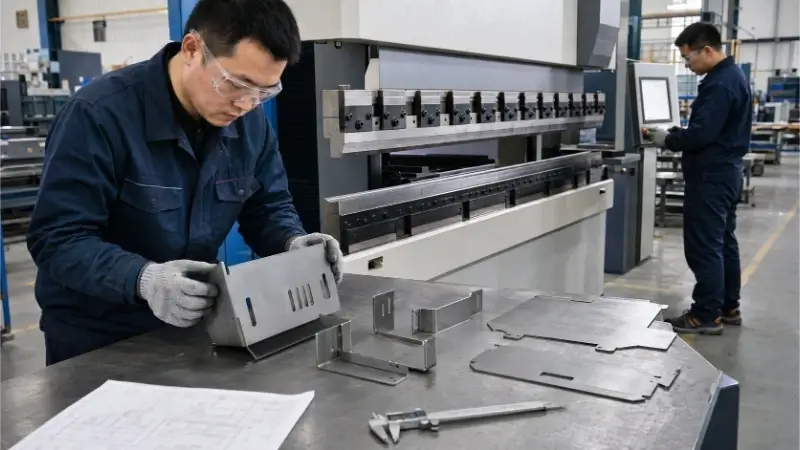
Alívios de dobra em chapa metálica: dimensões, formas e regras de DFM
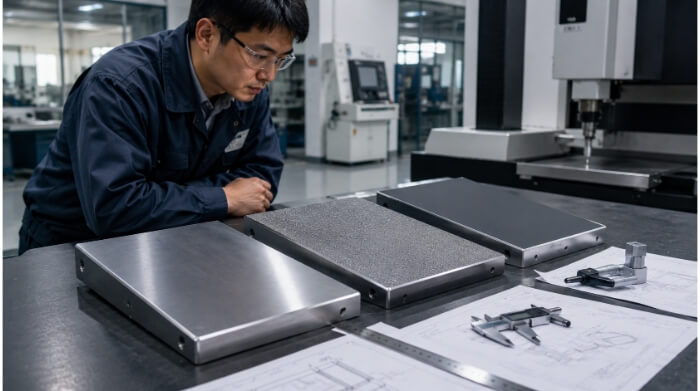
Texturização a laser de metais: preparação, DFM e controlo de custos