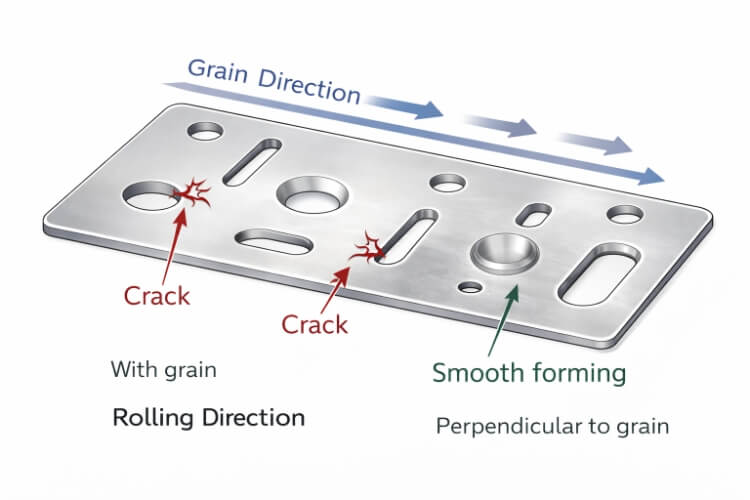
Dieptrekken en stansen behoren tot de meest gebruikte metaalvormprocessen in de moderne productie. Beide beginnen met een vlakke plaat, maar de manier waarop ze het materiaal vormen en belasten verschilt enorm. Voor ingenieurs, ontwerpers en inkoopteams is het begrijpen van deze verschillen essentieel om de meest efficiënte, kosteneffectieve en duurzame oplossing voor elk onderdeel te kiezen.
Dit artikel vergelijkt hun mechanica, ontwerpimpact, materiaalvereisten en productie-efficiëntie en biedt praktische inzichten voor teams die een balans zoeken tussen kwaliteit, kosten en doorlooptijd bij fabricageprojecten.
Dieptrekken vs Stempelen van Plaatmetaal: Grondbeginselen van elk proces
Beide processen beginnen met vlak plaatwerk maar verschillen in hoe ze het transformeren. Inzicht in hun vervormingsmechanismen helpt te verduidelijken wanneer elke methode de beste prestaties levert.
Wat is plaatwerk stempelen?
Plaatstempelen maakt gebruik van een stempel en matrijs om metalen platen onder hoge druk in precieze vormen te persen, te buigen of te snijden. Het proces oefent druk uit, waardoor het materiaal in de gewenste contour vloeit zonder noemenswaardige uitrekking.
Veel voorkomende stempelbewerkingen zijn blancheren, ponsen, reliëfdruk, buigen en stansen. Deze kunnen worden uitgevoerd in een enkele fase of in progressieve matrijzen die meerdere acties per slag combineren. Moderne persen kunnen 300-800 slagen per minuut maken, waardoor een extreem hoge verwerkingscapaciteit wordt bereikt.
Stempelen is ideaal voor vlakke of ondiepe onderdelen zoals beugels, panelen en elektrische afdekkingen, waarbij maatnauwkeurigheid en herhaalbaarheid cruciaal zijn. Omdat het proces zich richt op hoge-snelheidscompressie, biedt het consistente geometrie tegen lage kosten per onderdeel.
Feitje: Bij fijne stansbewerkingen kunnen de onderdeeltoleranties oplopen tot ±0,05 mm, waardoor stansen een van de nauwkeurigste massaproductiemethoden voor plaatmetaal is.

Wat is dieptrekken?
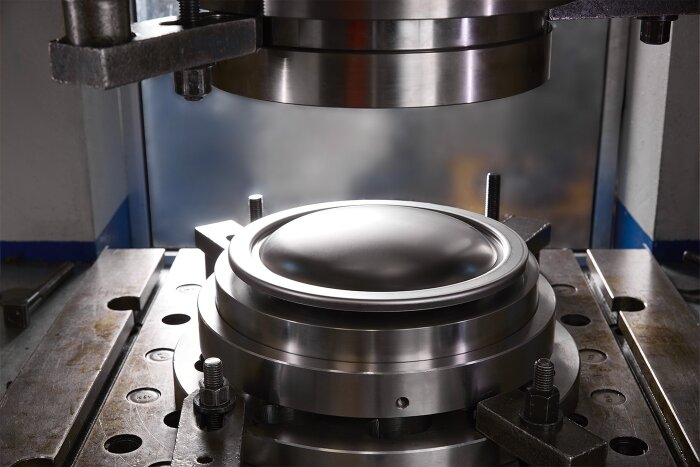
Diepe tekening vormt een blanco metaal in een diepe, holle vorm door het met een stempel in een matrijsholte te trekken. In tegenstelling tot stansen, waarbij de plaat wordt samengedrukt, oefent dieptrekken tegelijkertijd trek- en drukkrachten uit - het metaal rekt naar binnen en vloeit soepel langs de matrijswanden.
Dit proces kan naadloze cilinders, bekers of behuizingen produceren zonder lassen, wat resulteert in uitstekende sterkte en lekbestendigheid. Voor zeer diepe onderdelen kunnen meerdere trekfasen (bekend als hertekenen) worden uitgevoerd om scheuren of dunner worden te voorkomen.
Dieptrekken vereist nauwkeurige controle van:
- Ponsradius - meestal 6-10× plaatdikte
- Druk van de blenkhouder - voorkomt rimpels en ongelijkmatige doorstroming
- Smering - vermindert wrijving en oppervlakteschade
Bij de juiste afstemming bereikt dieptrekken soepele, maatvaste resultaten, zelfs in dunne materialen zoals 0,3-1,2 mm roestvast staal of aluminium. Het wordt veel gebruikt voor behuizingen voor auto's, medische containers en drukvaten, waar naadloze geometrie en sterkte het belangrijkst zijn.
Inzicht in techniek: De Limiting Draw Ratio (LDR) - de verhouding tussen de diameter van de voorvorm en de ponsdiameter - varieert over het algemeen van 1,8:1 tot 2,2:1 voor roestvast staal en tot 2,5:1 voor aluminiumlegeringen. Als deze verhouding wordt overschreden, neemt het risico op scheuren toe.
Belangrijkste procesverschillen
Hoewel beide processen efficiënt metaal vormen, zijn er grote verschillen in krachten, gereedschap en spanningspatronen. Door deze verschillen te onderzoeken wordt duidelijk waarom bepaalde onderdelen de voorkeur geven aan het ene proces boven het andere.
Richting en type van vervorming
Bij het stansen wordt de vervorming gedomineerd door samendrukken en buigen. Spanning concentreert zich rond hoeken, randen en gaten, terwijl de rest van de plaat bijna vlak blijft. Het proces is geschikt voor ondiepe vormen waarbij de dikte constant blijft en de diepte beperkt.
Dieptrekken daarentegen is gebaseerd op trekrekken. De voorvorm vloeit continu in de matrijsholte, waarbij de spanning over het hele oppervlak wordt herverdeeld. Dit produceert diepe, naadloze vormen zonder naden of lassen - ideaal voor drukdragende of vloeistofhoudende toepassingen.
| Aspect | Stempelen | Diep tekenen |
|---|---|---|
| Hoofdkracht | Samenpersen en buigen | Trek en druk (gelijktijdig) |
| Spanningsverdeling | Gelokaliseerd in bochten | Gelijkmatig verdeeld langs de muur & bodem |
| Resultaat Formulier | Plat of ondiep | Diep, gebogen of hol |
| Typische diepteverhouding | ≤ 0.5 : 1 | Tot 2 : 1 of hoger |
Tooling en matrijsontwerp
Stempelmatrijzen zijn relatief eenvoudig en snel te maken en zijn vooral ontworpen om te snijden, buigen of om te coaten. Ze focussen op de speling tussen stempel en matrijs (meestal 5-10% van de plaatdikte) om zuiver knippen te garanderen.
Dieptrekmatrijzen zijn complexer en preciezer. Ze vereisen spiegelgepolijste oppervlakken, grote radii en gecontroleerde speling om een soepele materiaalstroom mogelijk te maken. De matrijshouder oefent regelbare druk uit om kreuken tijdens het trekken te voorkomen. Door deze extra controles zijn dieptrekgereedschappen duurder, maar gaan ze langer mee en produceren ze onderdelen met een hogere integriteit.
Praktisch voorbeeld: Voor een onderdeel van 1 mm roestvast staal kan een stansmatrijs USD 2.000-3.000 kosten, terwijl een dieptrekmatrijs USD 5.000-8.000 kan kosten vanwege de vereiste oppervlakteafwerking en contournauwkeurigheid.
Materiaalstroom en spanningsgedrag
Bij het stansen beweegt het metaal minimaal; vervorming treedt voornamelijk op bij de contactpunten van de stempel en de buigradii. Dit leidt tot voorspelbare vlakheid en lage restspanning.
Bij dieptrekken is de materiaalstroom dynamisch - de flens wordt samengedrukt, de zijwanden rekken uit en de bodem blijft samengedrukt. Het beheren van deze spanningsbalans is van cruciaal belang. Een goede smering en matrijsgeometrie voorkomen plaatselijk dunner worden of scheuren, wat meestal optreedt als de wanddikte minder dan 85-90% van de oorspronkelijke plaatdikte wordt.
Dit verschil verklaart ook waarom dieptrekken de neiging heeft om de sterkte van onderdelen te verhogen door middel van werkharding, terwijl bij stansen de oorspronkelijke mechanische eigenschappen behouden blijven.
Ontwerp en geometrie
De vorm, diepte en tolerantie van een onderdeel bepalen vaak welke vormmethode het beste werkt. Deze ontwerpregels bepalen vanaf het begin de maakbaarheid en kostenefficiëntie.
Vorm Complexiteit
Stempelen is het meest geschikt voor vlakke of licht gevormde vormen. De korte slag beperkt de haalbare hoogte-breedteverhouding tot ongeveer 0,3-0,5:1. Veel voorkomende gestanste onderdelen zijn montageplaten, afdekplaten en beugels die nauwkeurige bochten of gaten vereisen.
Dieptrekken ondersteunt daarentegen geometrieën met een hoge hoogte-breedteverhouding, waarbij de onderdeeldiepte groter kan zijn dan twee keer de diameter. Het proces produceert cilindrische, conische of gebogen schalen met gladde oppervlakken en doorlopende wanden. Omdat het metaal vloeit in plaats van vouwt, kan het diepe holtes vormen zonder dat lassen of naden nodig zijn.
Voorbeeld: Een aluminium cup met een diameter van 70 mm en een diepte van 40 mm (hoogte-breedteverhouding 0,57:1) kan in één fase worden diepgetrokken, terwijl bij stansen slechts 20 mm zou worden bereikt voordat deze zou barsten of rimpelen.
Bij het kiezen van een proces gebruiken ingenieurs vaak trekdiepte, flensdiameter en hoekradius als indicatoren voor haalbaarheid. Hoe dieper of naadlozer het ontwerp, hoe meer het neigt naar dieptrekken.
Dimensionale nauwkeurigheid en tolerantie
Plaatmetaal stansen bereikt een uitstekende vlakheid en positienauwkeurigheid, vooral in gaten of bochten. Fijne afkantpersen kunnen toleranties tot ±0,05 mm aanhouden. In buigzones kan echter terugvering optreden, meestal 1°-3°, afhankelijk van de hardheid van het materiaal en de buigradius.
Dieptrekken daarentegen levert een consistente wandgeometrie en -diepte maar kan na het vervormen bijgesneden moeten worden om aan de uiteindelijke randafmetingen te voldoen. Tijdens het vervormen veroorzaakt materiaalherverdeling kleine variaties (±0,2-0,3 mm) in wanddikte of flensdiameter.
Beide methoden profiteren van simulatie op basis van FEA en matrijscompensatie tijdens het ontwerp. Deze digitale hulpmiddelen voorspellen spanningsconcentratie en uitdunningszones en helpen bij het aanpassen van matrijsvormen om een nauwkeurige herhaalbaarheid te garanderen voordat de productie begint.
Ontwerptip: Voor precisieonderdelen zoals sensorbehuizingen kan het gebruik van simulatie vroeg in de DFM-fase het aantal iteraties van gereedschappen met 30%-40% verminderen.
Wanddikte en materiaalgedrag
De twee vervormmethoden verschillen in hoe ze de plaatdikte beïnvloeden:
- Stempelen behoudt een bijna uniforme dikte omdat de vervorming gelokaliseerd is rond bochten en sneden.
- Diepe tekening resulteert in wandverdunning (tot 10-15%) bij de zijwanden en verdikking bij de flens door compressie.
Om deze effecten onder controle te houden, passen ingenieurs de trekverhouding, blenkhouderdruk en ponsradius aan. Door bijvoorbeeld de trekverhouding te verlagen van 2,0 naar 1,8 wordt de slagingskans voor roestvast staal vaak aanzienlijk verhoogd.
De dikteverdeling over een diepgetrokken onderdeel kan worden geanalyseerd met eindige elementen modellering. Dit helpt bevestigen dat geen enkele sectie onder de kritische rekgrens van het materiaal komt.
| Factor | Stempelen | Diep tekenen |
|---|---|---|
| Wanddikte verandering | <2% | 5-15% verdunning typisch |
| Diepteverhouding (H/D) | ≤0.5 | Tot 2,0 of meer |
| Type vervorming | Lokaal buigen | Verdeelde trek en druk |
| Typische terugvering | 1°-3° | Verwaarloosbaar |
| Vernieuwing nodig | Minimaal | Moet mogelijk worden getrimd |
Hoek en Overgangsradius
Kleine radii bij het stansen zorgen voor scherpe randen en gedefinieerde bochten. Voor een plaat van 1 mm dik zijn de buigradii vaak 1-1,5 keer de materiaaldikte. Dieptrekken vereist grotere overgangsradii (6-10× de dikte) om een soepele materiaalstroom mogelijk te maken. Een te kleine radius concentreert spanning en veroorzaakt scheuren.
Het juiste radiusontwerp zorgt ervoor dat het materiaal laminair blijft stromen en voorkomt rimpels - een veelvoorkomend defect bij slecht begrensde vormstukken.
Opmerking van de ingenieur: Een gepolijste ponsradius vermindert de wrijving en verbetert de oppervlaktekwaliteit. Dit is bijzonder waardevol voor decoratieve roestvrijstalen of aluminium behuizingen waar nabewerking tot een minimum beperkt moet blijven.
Materialen en mechanische eigenschappen
De materiaalkeuze bepaalt hoe gemakkelijk een onderdeel gevormd kan worden en hoe goed het presteert tijdens het gebruik. Dieptrekken en stansen reageren verschillend op vloeigrens, rek en spanningsuitharding.
Gebruikte materialen
Beide processen gebruiken gewoonlijk roestvrij staal, aluminium, koudgewalst staal en koperlegeringen, maar hun vereiste mechanische profielen verschillen:
- Stempelen tolereert een hogere vloeigrens en een lagere rek (≤15%). Materialen zoals SPCC of SECC zijn ideaal voor stijve constructiedelen.
- Diepe tekening vraagt om taaie materialen met rek ≥25% en een lage opbrengst-trekverhouding (<0,6). Kwaliteiten zoals SUS304 DDQ, C1008 en 3003-H14 zijn goed te trekken.
| Materiaal | Geschiktheid voor het proces | Typische rek (%) | Opmerkingen |
|---|---|---|---|
| SPCC / SECC | Stempelen | 12-18 | Gebruikelijk voor beugels, panelen |
| SUS304 DDQ | Diep tekenen | 40-45 | Uitstekend trekvermogen |
| 3003-H14 aluminium | Diep tekenen | 25-30 | Lichtgewicht en buigzaam |
| C110 Koper | Stempelen / Dieptrekken | 30-40 | Goed geleidingsvermogen, matige vervormbaarheid |
Snelle controle: Een eenvoudige "cup test" of "Erichsen test" wordt vaak gebruikt om de trekbaarheid te meten voor de productie.
Resulterende sterkte en oppervlakteafwerking
Stempelen:
Het proces verandert de hardheid van het materiaal niet noemenswaardig. De onderdelen behouden hun oorspronkelijke mechanische sterkte, waardoor ze geschikt zijn voor structurele of montagetoepassingen. De oppervlakteafwerking hangt af van de toestand van de matrijs - secundair polijsten of coaten kan nodig zijn om bramen en persmarkeringen te verwijderen.
Diep tekenen:
Door koudvervormen hebben getrokken wanden vaak een vloeigrens die 10-25% hoger is dan die van de basisplaat. Deze verbeterde mechanische eigenschap is waardevol voor containers of drukbehuizingen. Het proces produceert ook natuurlijk gladde oppervlakken omdat het materiaal over gesmeerde, gepolijste matrijzen glijdt.
| Functie | Stempelen | Diep tekenen |
|---|---|---|
| Sterkte Verandering | Geen | Stijgingen (10-25%) |
| Afwerking oppervlak | Moet mogelijk worden gepolijst | Vlot van matrijscontact |
| Formulier nauwkeurigheid | Hoog op vlakke zones | Hoog op dieptegeometrie |
| Gebruikelijke nabewerkingen | Ontbramen, plateren | Snoeien, oppervlaktereiniging |
Materiaalgedrag tijdens vervormen
Tijdens het stansen treedt de meeste vervorming plaatselijk op; de korrels blijven meestal onveranderd. Bij dieptrekken echter, komen korrelverlenging en -oriëntatie voor langs de trekrichting, wat de richtingssterkte verbetert maar de vervormbaarheid vermindert.
Voor complexe ontwerpen herstelt het gloeien tussen de trekbeurten de vervormbaarheid en vermindert het de kans op barsten - een gebruikelijke stap voor roestvrijstalen of titanium onderdelen.
Optimalisatietip: Bij het dieptrekken van materialen met een hoge hardheid kan een trekdiepte van 40% in twee fasen met tussengloeien toenemen in vergelijking met een eenfaseproces.
Vergelijking van productiesnelheid en kosten
Cyclustijd, investering in gereedschap en batchgrootte hebben een directe invloed op de totale kosten. Inzicht in deze afwegingen helpt om kortetermijnbudgetten in balans te brengen met productiedoelen op de lange termijn.
Investering in gereedschap
Stempelen vereist eenvoudigere en sneller te produceren matrijzen. Deze matrijzen zijn vooral gericht op een nauwkeurige snijspeling, buighoeken en uitlijning van het gereedschap. Een typische matrijs met één bewerking kan 1.500 tot 3.000 dollar kosten, terwijl een progressieve matrijs met meerdere stations 5.000 tot 10.000 dollar kan kosten, afhankelijk van de complexiteit van het onderdeel.
Dieptrekken vereist zeer nauwkeurige matrijsoppervlakken en complexe gereedschapgeometrie om de metaalstroom te controleren en rimpelen of scheuren te voorkomen. Deze matrijzen ondergaan vaak meerdere polijst- en warmtebehandelingsfasen. Als gevolg hiervan variëren de gereedschapskosten van USD 6.000 tot 15.000 voor industriële productie.
Dieptrekmatrijzen gaan echter meestal langer mee - tot 500.000-1.000.000 cycli - in vergelijking met 200.000-400.000 cycli voor stansgereedschappen. Na verloop van tijd worden de hogere initiële kosten gecompenseerd door hun duurzaamheid en lagere onderhoudsfrequentie.
Economische tip: Voor stabiele productie van grote volumes van meer dan 50.000 onderdelen levert dieptrekken vaak lagere totale kosten per eenheid op na afschrijving van de investering in gereedschap.
Cyclustijd en automatiseringsefficiëntie
Stempelen staat bekend om zijn ongeëvenaarde productiesnelheid. Progressieve stanslijnen kunnen 200-800 onderdelen per minuut produceren, met automatische coiltoevoer en matrijssensoren die een continue werking garanderen.
Dieptrekken werkt meestal met 10-30 onderdelen per minuut, afhankelijk van de trekdiepte en het materiaaltype. Meerfasige of hertrekprocessen vertragen de productie nog meer, maar dit levert een hogere structurele integriteit en maatuniformiteit op.
Vooruitgangen zoals servogestuurde hydraulische persen en robotgestuurde transfersystemen hebben deze kloof kleiner gemaakt. Moderne servopersen bieden instelbare slagprofielen, waardoor de tekentijd tot 20-30% korter is dan bij conventionele hydraulische persen.
| Factor | Stempelen | Diep tekenen |
|---|---|---|
| Typische snelheid | 200-800 onderdelen/min | 10-30 delen/min |
| Automatiseringsniveau | Zeer hoog (progressieve lijnen) | Matig tot hoog (servo/hydraulisch) |
| Geschikte batchgrootte | Klein-groot | Middelgroot-zeer groot |
| Levensduur gereedschap | 0,2-0,4 miljoen opnamen | 0,5-1 miljoen opnamen |
Praktisch inzicht: Voor lichtgewicht behuizingen of afdekkingen is stansen 5-10× sneller dan dieptrekken. Maar voor diepe behuizingen of afgedichte componenten vermijdt dieptrekken dure secundaire assemblage- of lasstappen.
Kostenefficiëntie naar productievolume
De batchgrootte heeft een directe invloed op de kosten per onderdeel.
- Lage tot gemiddelde volumes (<10.000 stuks):
- Stempelen levert een sneller rendement op investering op dankzij de lage gereedschap- en setupkosten. Het is ideaal voor prototypes, beperkte productieruns of ontwerpen die vaak worden aangepast.
- Hoge volumes (>20.000-50.000 stuks):
- Dieptrekken wordt kostenefficiënter omdat de gereedschapskosten over meer onderdelen worden gespreid en de noodzaak voor secundaire verbindingsbewerkingen (zoals lassen of afdichten) wegvalt.
Een roestvaststalen sensorbehuizing die bijvoorbeeld 2,00 USD per stuk kost door te stansen en te lassen, kan worden diepgetrokken voor 1,30 USD per stuk wanneer de jaarproductie meer dan 100.000 eenheden bedraagt - een reductie van 35%.
Benchmark industrie: Fabrikanten van auto's en apparaten gebruiken vaak stansen voor externe panelen, maar vertrouwen op dieptrekken voor motorhuizen, filters en reservoirs om de levensduurkosten stabiel te houden.
Vergelijking van toepassingen
Verschillende industrieën zijn om specifieke redenen afhankelijk van elk proces. Als je ziet waar stansen en dieptrekken worden toegepast, zie je dat ze elkaar aanvullen.
Typische producten gemaakt door stempelen
Stempelen is de methode bij uitstek voor vlakke of matig gevormde onderdelen die precisie en grootschalige productie vereisen. Voorbeelden hiervan zijn:
- Elektrische behuizingen, afdekkingen en chassisplaten
- Beugels, deurpanelen en bekledingsonderdelen voor auto's
- Structurele frames voor apparaten en automatiseringsapparatuur
- Afschermingsplaten, bevestigingsmiddelen en montagehardware
Omdat stansen een hoge nauwkeurigheid combineert met snelheid, domineert het massaproductiesectoren zoals elektronica, verlichting en autoassemblage.
Ontwerpnotitie: Voor onderdelen die achteraf gelast of gebogen moeten worden, biedt stansen modulaire flexibiliteit en eenvoudigere integratie met nageschakelde assemblagelijnen.
Typische producten gemaakt door dieptrekken
Dieptrekken heeft de voorkeur voor diepe, naadloze of drukdragende constructies die sterke wanden en lekvrije integriteit vereisen. Gangbare producten zijn onder andere:
- Cilindrische behuizingen, bekers en reservoirs
- Brandstof- en oliefilterhulzen
- Medische containers en sensorlichamen
- Keuken gootstenen, kookgerei en drankblikjes
- Batterijhouders en thermische behuizingen
In industrieën zoals lucht- en ruimtevaart, medische apparatuur en EV-energieopslag zorgt dieptrekken voor betrouwbaarheid op lange termijn waar lasverbindingen een risico op lekkage of vervorming zouden vormen.
Technisch voorbeeld: Een diepgetrokken aluminium batterijbehuizing die 15% minder weegt dan een gelaste tegenhanger kan interne drukken tot 4 MPa weerstaan zonder lekkage.
Het juiste proces voor uw project kiezen
Kiezen tussen stansen en dieptrekken vereist een evenwicht vinden tussen geometrie, volume, kosten en mechanische prestaties. De volgende gids helpt om de proceskeuze af te stemmen op realistische ontwerpdoelen.
Onderdeelgeometrie
- Plat of geflensd ontwerp → Kies stempelen
- Diepe of naadloze structuur → Kies diepe tekening
Materiaaleigenschappen
- Harde of hoge-sterktestalen → Beter voor stempelen
- Kneedbare metalen (Al, SS304 DDQ, Cu) → Geschikt voor diepe tekening
Productievolume
- Prototyping of kleine series → Stempelen minimaliseert kosten
- Stabiele langetermijnproductie → Diepe tekening maximaliseert ROI
Prestatievereisten
- Hoge stijfheid en dimensionale controle → Stempelen
- Drukbestendigheid en lekvrije afwerking → Diepe tekening
Oppervlakte en esthetische doelen
- Geschilderde of gecoate afwerkingen → Stempelen met polijstwerk achteraf
- Geborstelde of spiegelende metalen afwerking → Diepe tekening biedt natuurlijke gladheid
Conclusie
Dieptrekken en stansen zijn beide essentieel in de metaalproductie, maar ze dienen verschillende technische doeleinden. Inzicht in hun principes en afwegingen helpt ervoor te zorgen dat de gekozen methode past bij de ontwerpintentie, kostendoelstellingen en productiecapaciteit.
Als u begeleiding nodig hebt bij het selecteren van de beste vormmethode voor uw metalen onderdelen, kan ons engineeringteam u helpen. We bieden ontwerp-voor-productie beoordelingen en op maat gemaakte vormoplossingen op maat van uw project. Upload je CAD-bestanden of neem contact op met onze ingenieurs voor een gratis fabricagebeoordeling.
Hey, ik ben Kevin Lee

De afgelopen 10 jaar heb ik me verdiept in verschillende vormen van plaatbewerking en ik deel hier de coole inzichten die ik heb opgedaan in verschillende werkplaatsen.
Neem contact op
Kevin Lee
Ik heb meer dan tien jaar professionele ervaring in plaatbewerking, gespecialiseerd in lasersnijden, buigen, lassen en oppervlaktebehandelingstechnieken. Als technisch directeur bij Shengen zet ik me in om complexe productie-uitdagingen op te lossen en innovatie en kwaliteit in elk project te stimuleren.
Verwante bron
Vingerafdrukbestendig roestvrij staal: hoe het werkt en hoe te kiezen
OEM vs Loonproductie: Hoe het juiste model voor uw project te kiezen
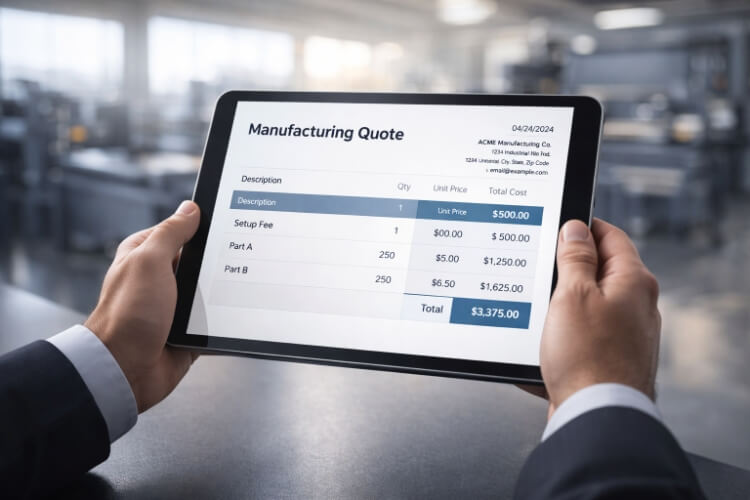
Setupkosten vs eenheidskosten bij de productie van plaatmetaal